
Fleas on a cat tree: treat the environment too
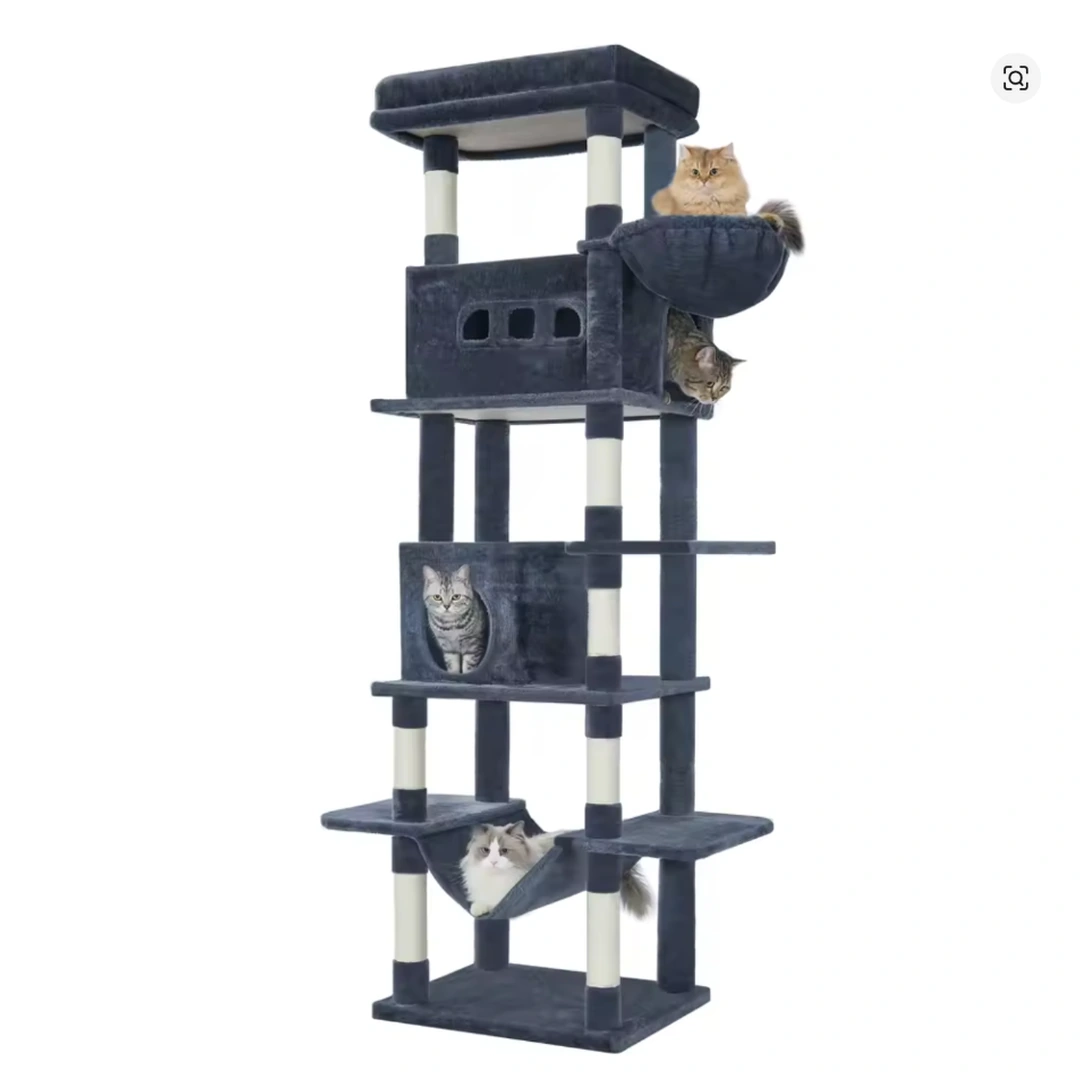
Is your cat scratching, leaving you wondering whether there are fleas in their favourite corner? Searching for “fleas on a cat tree” can bring up homemade remedies that are best avoided. The tree is neither the only place to check nor something to spray indiscriminately. It belongs to an environment that needs attention alongside the parasite treatment recommended by your vet. The aim is to organise the work, respect the materials and preserve reassuring points of familiarity for your cat, without improvising mixtures or using more and more products.
Fleas on a cat tree: start with your vet
Unusual scratching alone does not identify the cause. If you see parasites or suspect they are present, consult a vet before choosing a treatment. Describe the signs, the animals in your household and the places they spend time. Also mention products already used, giving their names and application dates. This information helps the professional recommend appropriate care, rather than layering treatments according to whatever you find on the internet.
Cleaning the tree supports this approach; it does not replace treatment of the animal. Ask your vet how to coordinate care for the animals present with work around the home. Never use a household treatment on your cat or an animal parasite treatment on the tree. Any pain, limping, fall or change in behaviour also warrants a consultation, rather than automatically attributing it to fleas.
Extend cleaning to the places your cat actually uses
Before starting, check the places where your cat rests: the tree, sofa, rugs, bed, blanket and carrier. Identify the surrounding areas too, particularly where the floor meets the skirting boards. The point is not to make every surface spotless, but to avoid concentrating all your efforts on one platform while forgetting other sleeping places. A simple list helps you keep track of what has been done.
Arrange tasks in a practical order: prepare a temporary resting place, remove detachable textiles, vacuum the relevant spaces, then deal with washable items. Avoid shaking fabrics indoors or carrying uncovered accessories throughout the home. Use a suitable container for taking items to the washing machine, and clean it afterwards. Adjust how often you repeat the work to the programme agreed with your vet, rather than inventing a universal schedule.
Include the tree’s corners without improvising
On the tree, pay attention to seams in sleeping areas, platform corners and joins between padded sections. Vacuum accessible areas with a suitable attachment, but only if the manufacturer’s instructions permit this method. The aim is not to strip the covering, but to include overlooked corners in household cleaning. Remove only parts designed to come off, and keep your cat away while you carry out the work.
Check the washing and drying instructions for each cover or cushion: no temperature automatically suits every fabric. Do not soak fixed sections or make a sleeping area available again while it is still damp. Steam should not become an automatic choice: the manufacturer must confirm that the materials are compatible. After vacuuming, handle the bag or container contents according to the appliance instructions, without leaving waste exposed in the home.
Avoid homemade remedies and use products within their instructions
Essential oils, powders, household mixtures and homemade sprays are not remedies to improvise on furniture that your cat touches, scratches and indirectly licks while grooming. Do not add anything to cleaning in the hope of boosting its effect. A strong smell does not show that treatment is working, and a product described as natural is not necessarily suitable for this purpose. Avoid combining products, even when applied at different times.
If your vet recommends treating the environment, ask exactly which surfaces are involved and check that the product permits the intended use. Read its instructions in full, along with those for the tree to establish material compatibility. Follow the stated application requirements, animal exclusion, ventilation and return conditions. Do not assume that a tree which feels dry is necessarily ready for use again. If unsure, seek confirmation before applying anything.
Preserve familiar reference points during follow-up
The AAFP and ISFM guidelines on feline environmental needs (2013) highlight the importance of hiding places, raised perches, separated resources, scratching, familiar smells and respectful interactions. They are not a parasite-control protocol. They do, however, encourage preserving your cat’s everyday routine during this period: offer a clean temporary refuge and keep resources accessible, without forcing your cat to settle in a freshly cleaned sleeping place.
Preserving familiarity does not mean leaving a blanket out of the cleaning when it needs attention. Instead, maintain routines and return objects to their usual positions once reuse is permitted. Record the work and your observations for veterinary follow-up. If parasites remain visible or reappear, contact your vet again rather than increasing applications. Replacing the tree in a hurry would not, on its own, address the care needed throughout the rest of the home.
VEYRULIS is preparing a large, 210 cm multi-level tower cat tree, still at the draft stage and not yet for sale. Its price has not been approved, and the colour variant remains to be confirmed. To include it in household cleaning, check the specifications and permitted care methods in the instructions for the model delivered, without assuming compatibility with an environmental treatment.
Sources and further reading
This advice is for information only and does not replace your veterinarian's opinion.