
Neutered Cat Hydration: Why It Matters and How to Help
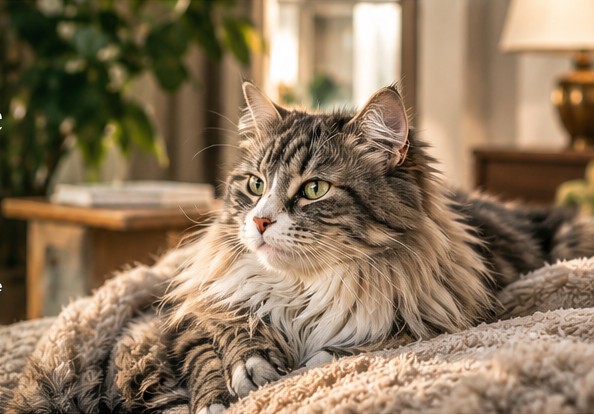
Veterinarians widely recommend neutering and spaying for numerous health and behavioral advantages. However, the procedure often brings noticeable changes, especially a tendency to gain excess weight, which can foster certain urinary problems. For a neutered cat, daily hydration therefore deserves particular care and regular attention. Here is why fluid intake matters so much, along with practical ways to encourage your companion to drink every day.
What Changes After Neutering
These shifts frequently become apparent within the weeks following surgery. This recovery phase is the ideal moment to review your cat's food ration, diet type, and water station layout with your veterinarian before poor habits become established.
Following sterilization, a cat's daily energy requirements decrease while its appetite often tends to rise. Without a prompt adjustment to daily meal portions, an animal can easily gain unwanted weight.
Many neutered cats live entirely indoors and lead far less active lives. In veterinary literature, this combination of excess weight, physical inactivity, and indoor living is linked to a higher risk of lower urinary tract issues.
Neutering itself is not a direct cause of illness; rather, lifestyle choices, daily exercise, and nutrition are the primary factors that influence long-term feline wellbeing.
The Link Between Hydration and Urinary Issues
Measuring your cat's water intake across several consecutive days provides a dependable baseline. You can then determine whether dietary wet food, new bowl locations, or a circulating pet fountain genuinely help them drink more.
Well-diluted urine contains a lower concentration of minerals and causes far less irritation to the bladder wall. Because it is also expelled more frequently, veterinarians consistently advise increasing fluid intake for cats at risk.
A neutered cat fed solely on dry kibble who drinks little and stays inactive combines multiple predisposing risk factors. Improving daily hydration remains one of the simplest, most effective measures an owner can take.
Diets designed for neutered cats are formulated to curb weight gain and promote healthy urinary balance, yet they never eliminate the need to supervise your pet's everyday water consumption.
Practical Steps to Help Your Cat Drink
Wash water dishes at least every two days with mild soap and rinse them thoroughly. Providing fresh water in an impeccably clean bowl remains the essential foundation of proper feline hydration.
Set up several drinking points throughout your home, situated well away from the litter box and feeding area. Change the water daily and choose wide, shallow bowls that keep sensitive whiskers comfortable.
Adding a portion of wet food to your cat's daily diet significantly boosts overall water intake. Remember to adjust the dry kibble portion accordingly to avoid exceeding the recommended caloric ration.
Many cats prefer drinking running water over still bowls. A clean pet fountain located in a quiet area can inspire your companion to return and drink multiple times throughout the day.
Encouraging Movement to Promote Hydration
Rotate toys regularly to sustain your cat's interest, concluding each session with a successful capture and a small treat. This routine satisfies natural predatory instincts and helps your pet relax afterwards.
Physical activity supports a healthy body weight and naturally encourages post-exercise drinking. Schedule two or three short play sessions daily using feather wands, rolling balls, or toys that mimic prey.
A sturdy cat tree, elevated wall shelves, or puzzle feeders enrich the indoor environment and prompt your cat to move around instead of remaining sedentary throughout the afternoon.
Placing water stations along your cat's regular household pathways creates frequent drinking opportunities. When fresh water is always close at hand, an active cat will drink with far greater consistency.
Keeping Track of Body Weight
Use a digital kitchen scale to weigh dry kibble accurately every day. Estimating portions by eye is notoriously unreliable and often results in generous overfeeding that fuels steady weight gain.
Weigh your cat regularly at home or have your veterinarian check their weight during each clinic visit. Your vet can assess body condition scores and recommend an appropriate feeding plan.
Losing weight too rapidly is unsafe for felines; any dietary adjustment must remain gradual and proceed under the supervision of a veterinary professional to prevent health complications.
Maintaining a stable weight alongside generous daily fluid intake creates a powerful partnership for protecting your companion's urinary health over the long term.
Warning Signs That Demand Veterinary Attention
Keep a written log of your daily observations with specific dates noted down. This detailed timeline will assist your veterinarian in assessing how any troubling symptoms have progressed over time.
Frequent visits to the litter box, passing tiny droplets, visible straining, blood in the urine, or urinating outside the box warrant an immediate consultation with your veterinarian.
A male cat straining repeatedly in the litter box without passing any urine is an absolute medical emergency. In this critical situation, seek urgent veterinary assistance without delay, day or night.
Conversely, a cat that suddenly begins drinking noticeably more water than usual should also be examined promptly by a veterinarian to identify any emerging underlying health concerns.
If you want to provide running water, the Veyrulis fountain features a 3.2-liter SUS 304 stainless steel reservoir, filtration that captures hair and impurities, quiet operation, and an illuminated level window. It does not replace a suitable diet or veterinary guidance.
Sources and further reading
- Manuel vétérinaire MSD — Lower Urinary Tract Disease in Cats
- 2025 iCatCare consensus guidelines on the diagnosis and management of lower urinary tract diseases in cats — Journal of Feline Medicine and Surgery
- International Cat Care — Encouraging your cat to drink: a guide for caregivers (PDF)
This advice is for information only and does not replace your veterinarian's opinion.