
Cat Cystitis: Symptoms, Stress, and the Role of Hydration
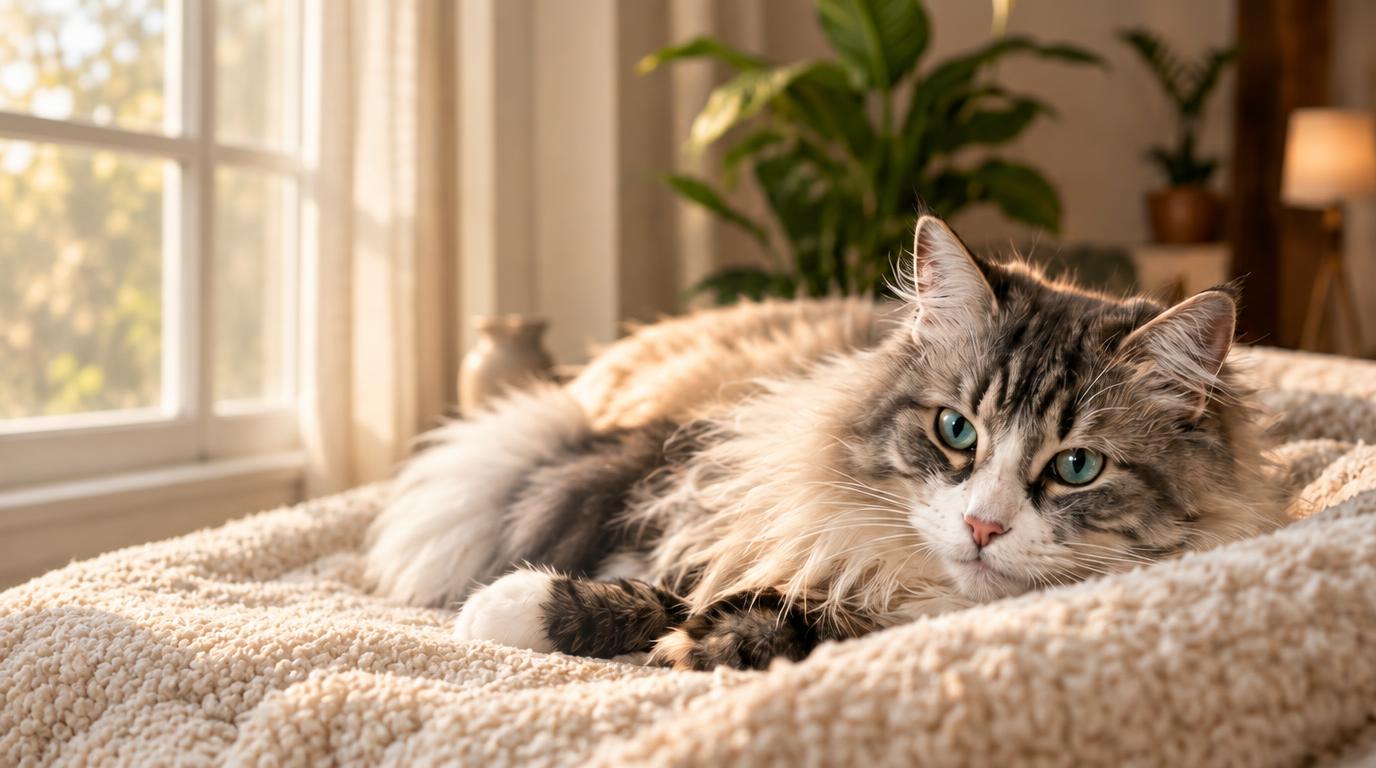
Is your cat visiting the litter box unusually often, passing tiny amounts of urine, or eliminating outside the tray? These signs often indicate cystitis, a common bladder inflammation in cats. Unlike humans, felines frequently develop this condition due to stress and lifestyle rather than infection. Understanding cat cystitis helps you act quickly and optimize hydration to prevent recurrences.
What Is Cystitis in Cats?
Cystitis refers to an inflammation of the bladder. In cats, the most frequent variant is idiopathic cystitis, meaning it occurs without an identifiable underlying cause, such as urinary stones or bacterial infections.
It falls under feline lower urinary tract disease, an umbrella term that also covers urinary calculi, urethral plugs, and, far less commonly in younger cats, bacterial infections of the bladder and urethra.
This condition mostly affects young adult to middle-aged indoor cats. Overweight felines, cats fed solely on dry kibble, and those exposed to environmental tension or confinement are particularly prone to developing it.
In senior cats, however, bacterial urinary tract infections become substantially more prevalent, especially alongside chronic kidney disease or diabetes. A veterinary urinalysis is therefore essential to establish an accurate diagnosis and treatment.
Symptoms to Watch For
Typical symptoms include repeated visits to the litter tray, voiding only small drops of urine, visible straining, vocalizing in discomfort while squatting, and occasionally finding distinct pinkish or red traces of blood.
An affected cat may also urinate outside the box on cool surfaces like floor tiles or bathtubs. Many cats will obsessively lick their genital region due to intense local irritation and pain.
A cat that urinates outside its box is never seeking revenge. It simply associates the litter tray with painful urination. Once discomfort resolves and its surroundings feel safe, normal elimination habits generally resume.
Symptoms typically last for several days and can easily recur, especially after a stressful incident. Recognizing these subtle warning signs early enables owners to seek prompt veterinary guidance before discomfort escalates.
The Emergency in Male Cats
In male cats, urinary inflammation can lead to a physical plug that obstructs their narrow urethra. The tomcat strains repeatedly in the litter box without managing to produce any urine at all.
This constitutes a critical medical emergency requiring immediate veterinary attention, whether day or night. Left untreated, an acute blockage can cause severe metabolic complications, kidney failure, and death within a short timeframe.
Always save the telephone number and address of a nearby emergency veterinary clinic. Being prepared allows you to act decisively and without losing valuable time if your cat shows signs of blockage.
Whenever in doubt, always consider a cat that strains without producing urine to be blocked. Contact your veterinarian immediately rather than waiting to see whether the condition improves on its own.
The Role of Stress and Environment
Veterinary experts view environmental stress as a primary trigger for idiopathic cystitis. Moving home, welcoming a new pet or baby, home renovations, inter-cat conflicts, or lack of mental stimulation can prompt flare-ups.
Guidelines from International Cat Care highlight the necessity of sufficient, separated resources. Felines need independent access to litter trays, water sources, food bowls, peaceful hiding spots, and elevated vantage points throughout the home.
A practical rule is to provide one litter box per cat plus one extra, placed in separate, quiet areas. Drinking stations should likewise be multiplied and positioned well away from food and litter.
Daily interactive play sessions and a predictable routine also help lower stress. Maintaining a peaceful, stimulating home environment supports your cat's emotional balance and reduces the risk of recurrent urinary tract episodes.
Why Hydration Helps
More diluted urine causes far less irritation to the sensitive bladder lining and encourages more frequent voiding. Increasing overall daily water intake is therefore a cornerstone recommendation for preventing recurrent cystitis flare-ups.
Introducing wet food, which has an inherently high moisture content, is often an effective strategy after consulting your veterinarian. Your vet may also recommend a specialized therapeutic urinary diet tailored to your cat.
Providing multiple fresh water dishes and offering running water, such as a well-maintained fountain, can encourage your cat to drink. Cats often show a natural preference for fresh, moving water sources.
Regularly monitoring your cat's water intake helps you verify whether your environmental adjustments are working. Your observations will provide valuable context during follow-up wellness consultations with your regular veterinary healthcare team.
What Not to Do
Never give human antibiotics or anti-inflammatory drugs to your cat, as many are lethal to felines. Furthermore, the vast majority of feline cystitis cases are non-infectious, rendering antibiotic therapy completely ineffective.
Do not punish a cat for urinating outside the litter box. Eliminating outside the tray indicates distress or pain, and punishment will only heighten anxiety, exacerbating the physical symptoms of cystitis.
Avoid abrupt dietary changes during an active crisis without professional veterinary guidance. Your veterinarian can determine whether a specific dietary change is warranted and help manage a safe, gradual dietary transition.
Finally, never leave your cat without a proper diagnosis. Only a qualified veterinarian can differentiate cystitis from bladder stones or infections, ensuring your cat receives appropriate pain relief and targeted care.
If you wish to provide moving water, the Veyrulis fountain combines a 3.2-liter SUS 304 stainless steel reservoir, filtration that captures hair and impurities, quiet operation, and an illuminated level window. It does not replace an appropriate diet or your veterinarian's advice.
Sources and further reading
- Manuel vétérinaire MSD — Lower Urinary Tract Disease in Cats
- 2025 iCatCare consensus guidelines on the diagnosis and management of lower urinary tract diseases in cats — Journal of Feline Medicine and Surgery
- International Cat Care — Encouraging your cat to drink: a guide for caregivers (PDF)
This advice is for information only and does not replace your veterinarian's opinion.