
How to Get a Cat to Drink Water: 10 Simple and Safe Tips
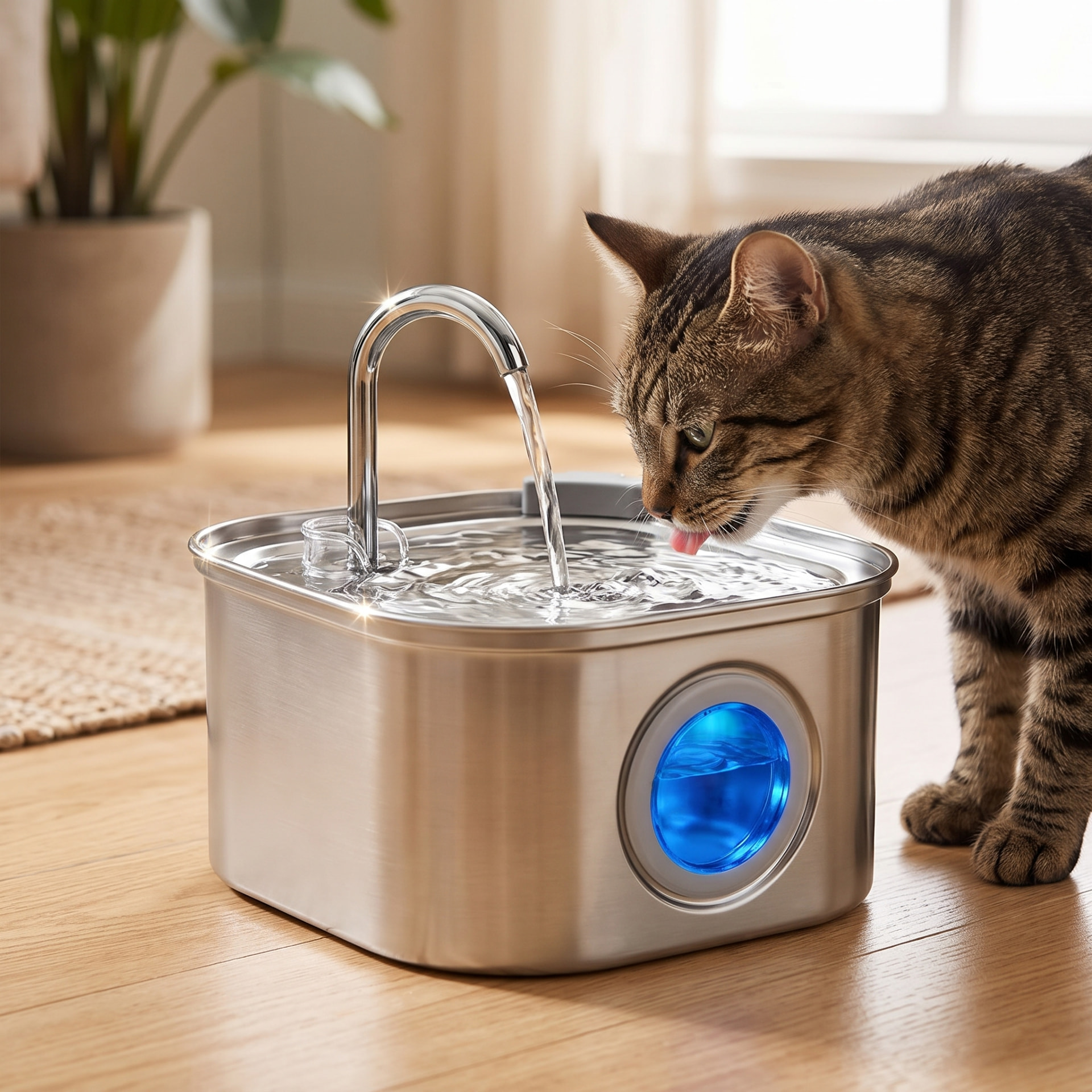
Does your cat barely touch their water bowl, leaving you wondering how to get a cat to drink water when they rarely seem thirsty? This is a very common concern among pet parents, since felines naturally have a low thirst drive. The good news is that a few straightforward adjustments in your home are often enough to encourage them. Here are practical, easy-to-apply tips to help your feline companion stay hydrated, along with guidance on situations where it is best to consult your veterinarian.
Why Do Cats Naturally Drink So Little?
Keep in mind that every cat has distinct personal preferences. When introducing changes, test one tip at a time for several days so you can see clearly what works best for your pet without creating unnecessary confusion.
Domestic cats descend from desert-dwelling ancestors who lived in arid climates and obtained most of their hydration directly from the prey they hunted. Because of this evolutionary heritage, modern cats still retain a weak natural thirst drive. Consequently, a feline can easily drink significantly less water than their body requires without showing any obvious outward signs of dehydration.
Cats fed an exclusively dry kibble diet are especially vulnerable, as dry food generally contains only about 10 percent water. Proper daily hydration remains essential for their overall well-being, particularly for supporting healthy kidney function and protecting the urinary tract, as veterinary professionals regularly remind pet owners.
Choosing and Placing Water Stations Wisely
Tip 1: set up multiple water stations around your home. Place a bowl in the kitchen, another in the living room, and a third upstairs. The more frequently your cat crosses paths with clean water during their daily routine, the more likely they are to pause and drink.
Tip 2: keep the water bowl away from the litter box and, whenever possible, separate from their food bowl. In the wild, felines instinctively avoid drinking water that sits close to their food source or elimination area to prevent contamination, and domestic cats still preserve this protective instinct.
Tip 3: choose a quiet, low-traffic location where your cat can drink while keeping an eye on their surroundings. A cat that feels vulnerable, cornered, or disturbed by foot traffic or other household pets will cut their visits to the water bowl short.
The Right Bowl Makes All the Difference
Tip 4: choose a wide, shallow bowl rather than a deep, narrow container. Many cats dislike feeling their sensitive whiskers brush against the sides of a dish, a common source of discomfort known as whisker fatigue or whisker stress.
Tip 5: fill the bowl close to the rim. Cats often struggle to gauge the water level when looking into deep containers, so keeping the surface near the top helps them see it clearly and drink with much greater confidence.
Tip 6: favor materials that are easy to sanitize and do not hold onto odors, such as ceramic, glass, or stainless steel. Plastic bowls scratch easily over time and trap persistent smells and bacteria that feline noses quickly detect and avoid.
Providing Clean and Fresh Water Daily
Tip 7: change the water at least once every day by emptying the bowl completely rather than simply topping it off. Wash the dish with hot water and rinse thoroughly, as leftover soap scents can easily discourage a finicky cat from drinking.
Tip 8: offer moving water. Many felines are naturally drawn to a gentle stream of running water, which instincts tell them is fresh and safe. This preference explains why so many cats love running taps and why pet fountains are so effective.
During the summer, place water dishes in shaded spots away from warm windows, and keep them away from radiators during the winter months. Adding an ice cube or two can also provide curiosity and sensory play that encourages some cats to drink.
Increasing Water Intake Through Food
Tip 9: introduce wet food into their daily diet. Canned food contains roughly 70 to 80 percent moisture and represents one of the easiest, most reliable ways to increase fluid intake. Feeding a mixed diet of kibble and wet food is often recommended. Remember to introduce wet meals gradually over several days to avoid upsetting your cat's digestion.
Tip 10: you can stir a little warm water directly into their wet food. Avoid offering milk, which adult cats generally struggle to digest, and steer clear of commercial broths that often contain high sodium, onions, or garlic, which are toxic to felines. Always seek guidance from your veterinarian before introducing any specialized hydration supplement.
When to Consult Your Veterinarian
These tips are designed for a healthy cat that simply drinks very little. If your pet stops drinking entirely, eats significantly less, appears lethargic, vomits, or shows a sudden spike or drop in thirst, schedule an appointment with your veterinarian promptly.
A cat that visits the litter box repeatedly while producing little or no urine, or shows signs of pain while straining, requires emergency veterinary attention, especially in the case of male cats. Never attempt to force-feed water with a syringe without clear veterinary supervision.
To prepare for your visit, take notes for a few days on the amount of water offered and consumed, your cat's current diet, litter box frequency, and any behavioral shifts. This concrete information helps your veterinarian make an accurate assessment and recommend appropriate dietary or medical steps.
If you are looking for a simple way to provide running water, the Veyrulis fountain is designed specifically for this purpose: a 3.2-liter SUS 304 stainless steel reservoir, filtration that captures hair and impurities, quiet operation, and a luminous window to check the water level at a glance. It does not replace a suitable diet or veterinary advice, but it can make the daily water station much more appealing.
Sources and further reading
- International Cat Care — Encouraging your cat to drink: a guide for caregivers (PDF)
- Cornell Feline Health Center — Hydration (besoins en eau, signes et causes de déshydratation)
This advice is for information only and does not replace your veterinarian's opinion.