
Where to Place a Cat Water Fountain: The Best Spot in Your Home
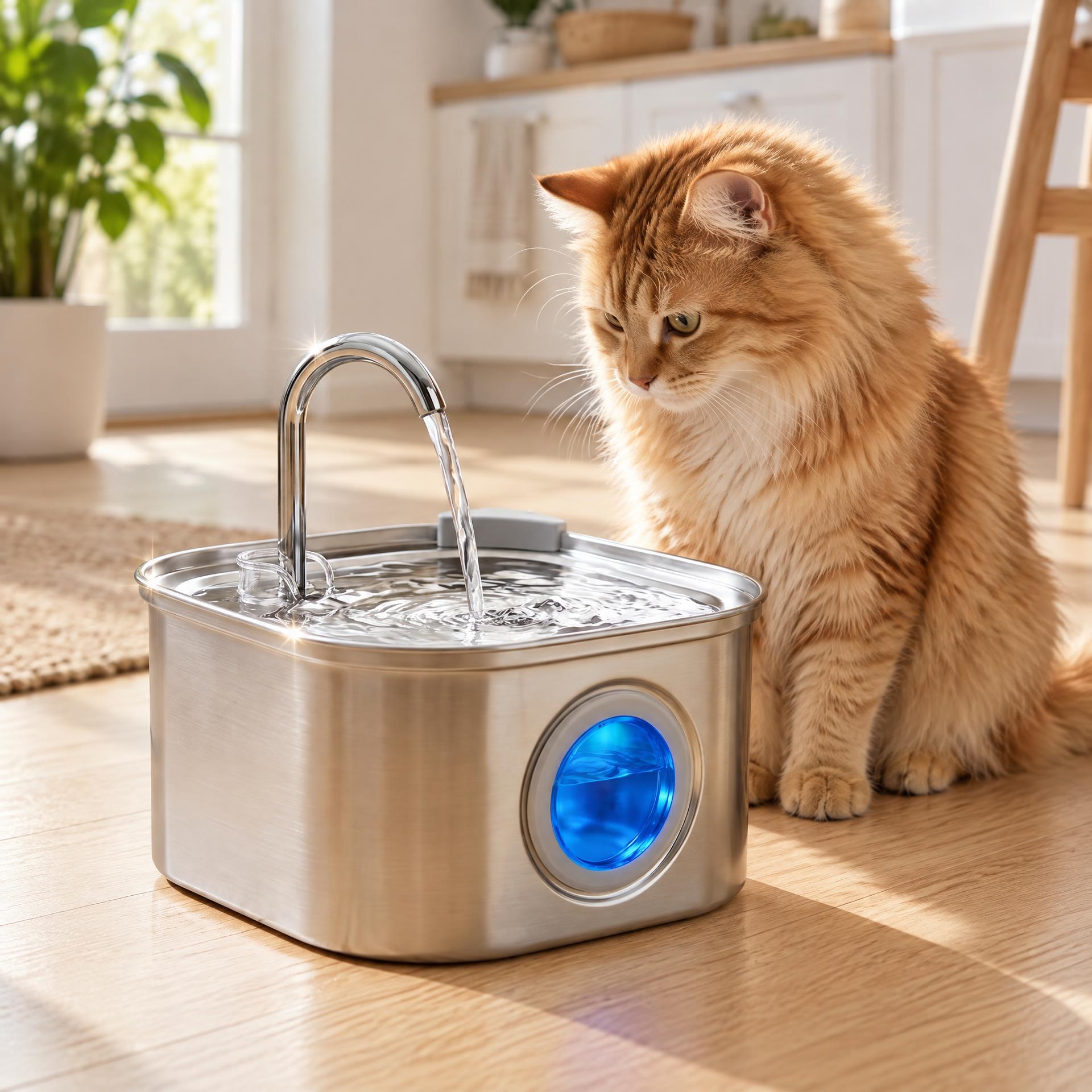
Have you just purchased a pet fountain, or are you thinking about getting one, and wondering where to place a cat water fountain so your pet actually uses it? In fact, the chosen location matters almost as much as the device itself. A cat drinks much more readily when feeling safe, calm, and far away from anything perceived as dirty or contaminated. Here are the simple guidelines to follow, room by room, to find the right spot in your home.
Far from the Litter Box and Away from Food
This is the most crucial guideline of all. Cats instinctively avoid drinking near the spot where they eliminate waste, so a water fountain placed right next to the litter box will likely be shunned. Keep a distance of at least several meters between them, and ideally set them up in two completely different rooms to ensure your pet feels comfortable.
Many felines also prefer their drinking water set apart from their feeding station. In nature, food or prey lying beside a water source can contaminate it. While this is not an absolute rule for every domestic pet, separating the water fountain and food bowl by a meter or two is often enough to make the water significantly more appealing.
A Quiet Spot That Remains Accessible
When drinking, a cat lowers its head and enters a vulnerable physical posture. Felines naturally favor a peaceful spot away from busy corridors, rattling washing machines, loud dishwashers, or suddenly slamming doors. Ideally, your companion should be able to drink while keeping an eye on everything happening in the surrounding area.
However, quiet does not mean hidden away in a dark closet. An overly isolated drinking fountain will simply be ignored or forgotten. The right balance is usually a central living space where your cat spends quality time, such as the living room, kitchen, or office, tucked into an open corner facing out toward the room.
In a home with several cats or a resident dog, avoid dead ends where one animal could trap another. A shy or timid cat must always be able to approach the fountain, drink in peace, and leave freely without being forced into an unwanted confrontation with a more assertive housemate.
Temperature, Lighting, and Flooring Details
Keep the fountain away from direct sunlight, radiators, or wood stoves. Warm temperatures cause water to evaporate more rapidly, turning it lukewarm and far less appealing to a finicky drinker. Furthermore, intense heat and bright sunshine can encourage unwanted algae growth inside certain water tanks, creating extra maintenance work.
Set the fountain on a flat, stable surface that is easy to wipe clean. A small silicone mat or shallow tray placed underneath catches stray splashes and protects wooden floors from moisture. If your cat enjoys pawing at running water, this straightforward accessory prevents slippery puddles and floor damage.
Electrical Outlets and Basic Safety Measures
A pump-driven fountain needs an electrical power supply to keep running. Place the unit near a wall socket and run the cable flat along the baseboard to prevent tripping hazards or chewing. Using a protective cable sleeve or trunking provides a dependable extra layer of safety for curious pets and family members alike.
Never place the fountain on a counter with household cleaning chemicals, nor near houseplants that are poisonous to cats, such as lilies. Also check that your cat can reach the water comfortably without having to jump onto elevated surfaces, which is especially vital for senior pets or those suffering from joint stiffness.
Setting Up Multiple Water Stations
Having a well-placed electric fountain should not stop you from offering additional water sources around your home. An extra bowl placed upstairs or near a favorite resting spot creates more opportunities to drink, which is especially beneficial for cats fed an exclusively dry kibble diet.
If your cat ignores the fountain at first, avoid moving it around every single day. Give them one or two weeks to grow familiar with the gentle hum, and only test a different spot if they continue to show no interest. If their daily water consumption suddenly changes dramatically, consult your veterinarian promptly, as location alone cannot explain such shifts.
Ideal Placements for Different Home Layouts
In an apartment, the living room is usually the best choice: your cat spends plenty of time there and can drink while keeping watch over the area. A corner near a bookshelf or low sideboard, safely removed from the entrance door and television noise, works very well. If the litter box is in the bathroom, keep the water fountain out of that room entirely.
In a multi-story home, arrange at least one drinking station on each level. An elderly or less active cat may not feel inclined to climb down the stairs just to take a drink, and placing a second station upstairs can make a noticeable difference to their daily fluid intake.
For a cat that spends time outdoors, keep the fountain inside along their customary path between the cat flap and their resting quarters. They will quickly adopt the habit of stopping for a fresh drink as soon as they return indoors from their daily excursions.
The Veyrulis fountain was designed to blend effortlessly into any living area: its 3.2-liter SUS 304 stainless steel tank minimizes frequent refills, its quiet operation will not disturb your cat or household, and its illuminated window lets you check water levels at a glance, even when placed in a quiet corner.
Sources and further reading
- International Cat Care — Encouraging your cat to drink: a guide for caregivers (PDF)
- Cornell Feline Health Center — Hydration (besoins en eau, signes et causes de déshydratation)
This advice is for information only and does not replace your veterinarian's opinion.