
How to Get a Cat Used to a Water Fountain Step by Step
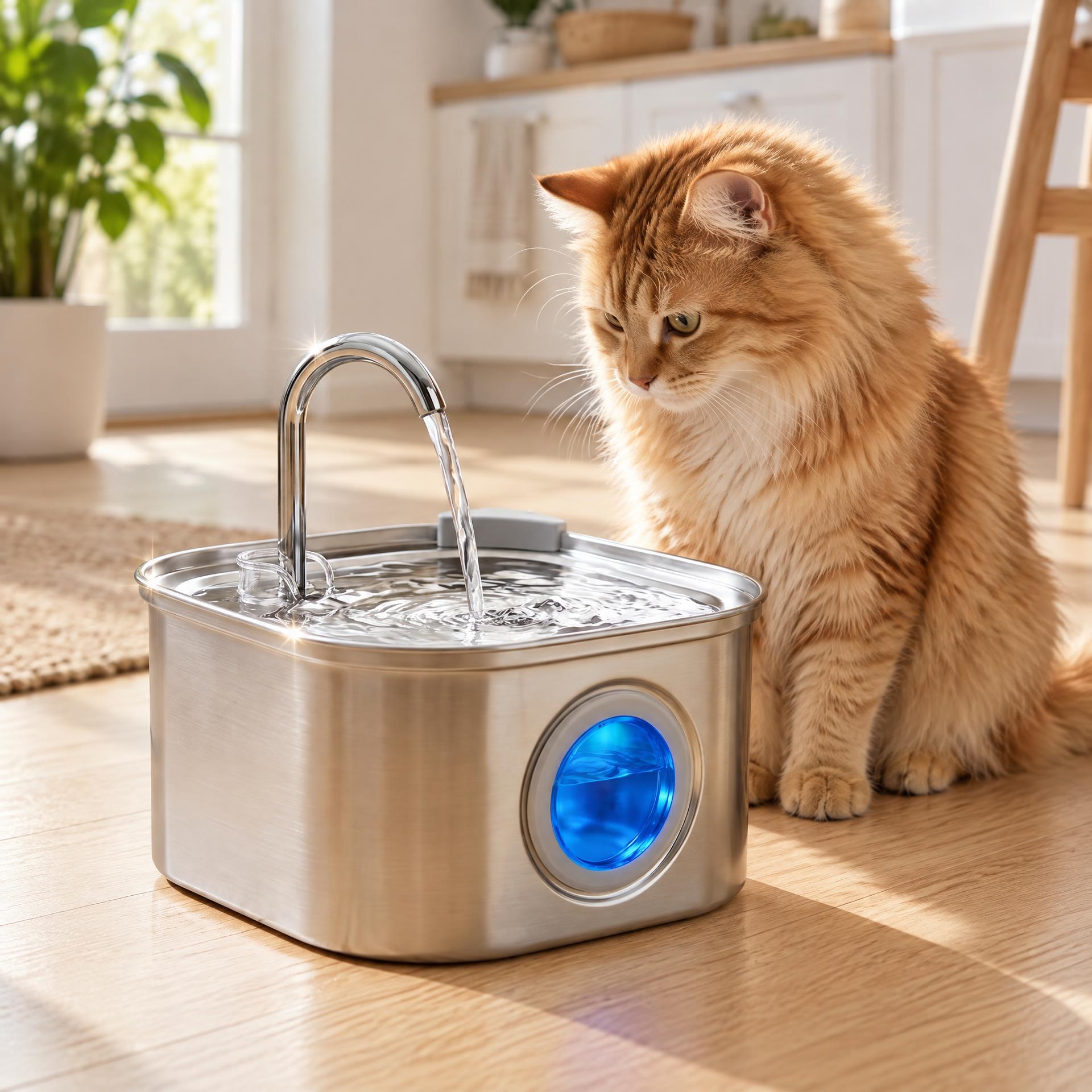
Have you set up a water fountain, only to watch your cat stare from afar, sniff it cautiously, and walk back to their old water bowl? This is completely normal. Cats are creatures of habit, naturally wary of unfamiliar objects that move and make quiet sounds. Getting a cat used to a water fountain requires patience and a gradual approach. Here is how to do it smoothly.
Why Some Cats Are Hesitant at First
Household context also matters greatly. A cat that has recently moved homes, met a new pet, or experienced changes in their daily routine will naturally be more suspicious. In these situations, wait until your pet regains their bearings before setting up the fountain, or proceed even more slowly. A few days of patience is always better than creating a lasting negative association with this new object.
Any new object placed in a cat's territory is initially perceived as strange and potentially threatening. The faint hum of the pump, moving water, the scent of a brand-new appliance, or an unfamiliar location in the room can easily be enough to make a cautious feline hesitate.
Some cats embrace a drinking fountain in just a few minutes, while others need one to two weeks to feel comfortable. Both reactions are perfectly normal. The most important rule is never to rush or force your pet, ensuring the fountain remains linked to positive feelings.
Steps 1 and 2: Preparing and Setting Up the Fountain
Before using the fountain for the first time, wash all components in warm water with a mild soap, then rinse everything thoroughly. This simple step removes manufacturing and packaging odors, to which a cat's sensitive nose is particularly alert.
Next, place the fountain near the spot where your cat usually drinks, in a calm area well away from the litter box. Keep their familiar water bowl right next to it. Suddenly removing their usual water supply could cause stress and lead them to drink less.
You can initially leave the fountain switched off for a day or two, filled with fresh water. This allows your cat to investigate it safely like a standard bowl before you ever turn on the flowing water.
Steps 3 and 4: Sparking Curiosity Without Forcing It
Once you turn on the fountain, let your cat approach entirely at their own speed. Never carry your cat directly to it or force their head toward the water stream, as this is the quickest way to create fear and a lasting negative impression.
To build positive curiosity, dip a clean finger into the stream, leave a favorite treat near the base, or engage in a gentle game close by. Whenever your cat investigates or drinks, offer quiet verbal praise or a gentle stroke.
Many felines prefer a low flow at the beginning. If your fountain model allows flow adjustments, set it to a gentle trickle first, and only increase the water movement gradually as your cat grows more comfortable.
Step 5: Gradually Removing the Old Bowl
When your cat has been drinking reliably from the fountain for several days in a row, you can gradually move the old bowl farther away, and eventually remove it if you wish. Many owners choose to keep a second water source in another part of the home, which is always a sound idea.
Throughout the entire transition period, verify that your cat is getting enough hydration. Check the remaining water levels, monitor their litter box habits, and observe their general behavior and comfort.
Mistakes to Avoid and When to Be Concerned
Avoid moving the fountain around each day, placing it near the litter box or in busy corridors, and neglecting routine cleaning. Stagnant water sitting in an unwashed appliance will discourage any cat. Also be sure to check water levels regularly so the pump never runs dry.
If your cat stops drinking entirely during the changeover, appears unusually lethargic, or shows abnormal urination patterns, immediately put their old water bowl back and contact your veterinarian. A pet fountain should always support their hydration, never become a source of anxiety.
Special Cases: Kittens, Older Cats, and Multi-Cat Homes
Kittens often take to a water fountain very quickly out of sheer curiosity. Take advantage of this by introducing it early, but keep a regular bowl available too, as young kittens sometimes play with running water more than they actually drink it. Ensure the water level is easily reachable for their smaller size.
An older cat is typically more tied to familiar routines and may take longer to adapt. Place the fountain directly along their regular daily path, without steps to climb, and leave their old bowl in place longer. If your senior cat has arthritis, a ground-level fountain in an accessible spot will be much easier to use.
In multi-cat households, the transition often happens through imitation: when one confident cat starts drinking, the others usually follow. Even so, maintain several separate water stations so a timid pet is not blocked by a more dominant cat. Keep a close watch on each individual cat during the first few days.
The Veyrulis fountain makes this adoption easier: its quiet operation reassures cats that are sensitive to noise, its 3.2-liter SUS 304 stainless steel reservoir disassembles easily for the first wash, and its illuminated window allows you to check at a glance whether your cat has started drinking.
Sources and further reading
This advice is for information only and does not replace your veterinarian's opinion.