
When to Change a Cat Water Fountain Filter: Schedule and Signs
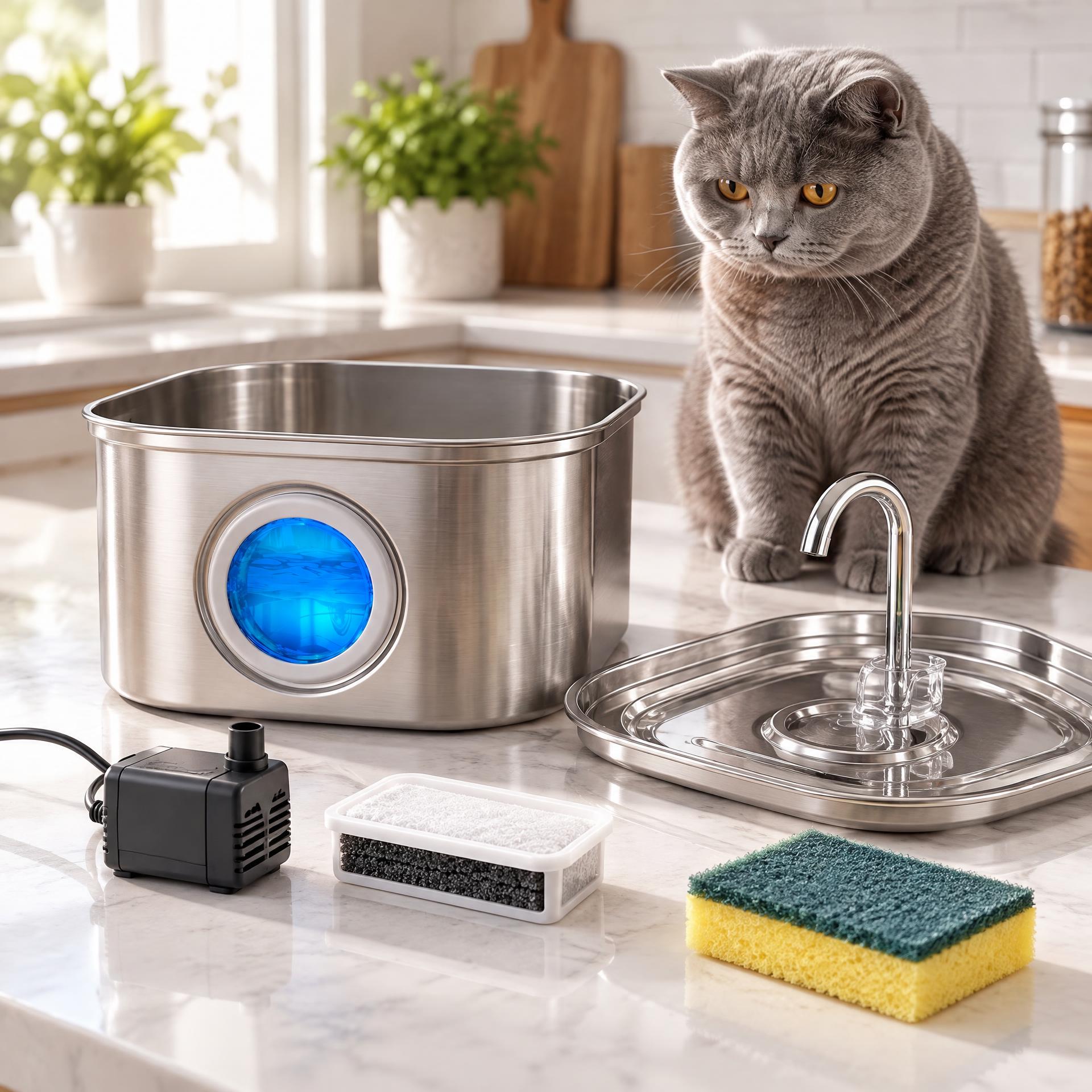
The filter is a relatively small part, but it plays a crucial role in maintaining the overall quality of your cat's drinking water. Many pet owners wonder how often to change a cat water fountain filter and whether following the recommended schedule is truly necessary. Here are the practical guidelines to follow, the clearest signs that a filter is worn out, and simple habits to help you get the best possible performance from your fountain.
Why Your Pet Fountain Needs a Working Filter
A properly maintained filter plays a significant part in making water appealing to your cat. Clear, clean water without stray hairs or uninviting smells encourages cats to return and drink throughout the day. Because felines naturally drink relatively little, this small daily detail makes a genuine difference, provided you combine it with regular cleanings and frequent water refills.
The filter acts as a physical barrier, catching shed hairs, ambient dust, food crumbs, and other debris that inevitably drop into the water as your cat visits. Depending on the model, it may also incorporate activated carbon, which helps reduce unwanted odors and the subtle taste of tap chlorine.
In addition, the cartridge protects the water pump by preventing fine hairs from tangling around the spinning impeller. A saturated filter quickly loses efficiency: water circulates poorly, the motor works harder, and the whole device becomes dirty much faster.
The Recommended Replacement Frequency for Fountain Filters
Most pet fountain manufacturers recommend changing the filter every two to four weeks. This is a solid baseline to keep in mind, although you should always prioritize the instructions in your fountain's user manual first.
The right cadence also reflects the reality of your specific household. If you have several cats, a long-haired cat going through a seasonal molt, or particularly hard tap water, the filter fills up faster and should be changed closer to every two weeks. For a single short-haired cat in an area with soft water, four weeks is usually plenty.
To avoid losing track, make a quick note of the replacement date on your household calendar or set up a recurring reminder on your smartphone so maintenance stays on schedule.
Telltale Signs It Is Time for a Replacement
A filter that has visibly changed color, is covered in trapped fur or slimy residue, or gives off an off-putting odor should be replaced immediately. A noticeably weaker water flow or an irregular trickle is another common sign that the filtration medium has become fully saturated.
Your cat's attitude toward the fountain can also provide an important clue. If your pet suddenly ignores a drinking station they used to visit enthusiastically, check the state of the filter and the cleanliness of the bowl before looking for any other explanation.
Filter Changes and Fountain Cleaning: Two Essential Habits
Replacing the filter does not remove the need for routine fountain cleaning. Roughly once a week, disassemble every component, wash the parts in warm water with mild soap, and rinse thoroughly. A small brush is ideal for scrubbing hard-to-reach spots inside the spout and pump casing.
Renew the water in the reservoir entirely every two to three days. Whenever you install a fresh cartridge, rinse it under running tap water first if your manual recommends doing so, as this flushes out any harmless loose carbon dust before the unit is switched back on.
Steer clear of harsh cleaning chemicals, household bleach, or heavily perfumed detergents. Lingering chemical residues can cling to plastic or metal surfaces and easily deter your cat from approaching their drinking source.
What a Fountain Filter Cannot Do
A filter definitely improves the overall cleanliness of the water, but it does not make it sterile or keep standing water pure indefinitely. It also cannot take the place of a balanced, suitable diet or regular health monitoring by your vet.
If your cat starts drinking noticeably more or less than before, if their urination patterns shift, or if they appear lethargic, schedule a consultation with your veterinarian. A well-kept fountain helps offer appealing hydration, but it does not cure or treat illnesses.
How to Change the Filter Step by Step
Begin by unplugging the fountain from the wall outlet, then pour out any remaining water. Take out the old filter and take advantage of this step to inspect the pump, removing any loose hairs wrapped around the impeller using a small brush or a cotton swab.
Rinse the new filter under cold tap water if specified by the manufacturer, insert it facing the correct direction, and reassemble the fountain components. Fill the tank with fresh water up to the recommended mark before plugging the unit back in, ensuring the pump never runs dry.
Next, watch the fountain flow for a few minutes to confirm that the stream is quiet, steady, and running properly. If your cat seems slightly suspicious right after the change, they are likely just noticing the subtle smell of a new filter, which generally fades within a few hours.
Always keep one or two spare replacement filters stored away at home. Having backups ready ensures you are never tempted to leave a saturated filter in place simply because you ran out, keeping your cat's drinking water fresh, clean, and pleasant year-round.
For the Veyrulis fountain, replacement filters are available directly on the product listing, making it convenient to keep spares on hand. Its 3.2-liter SUS 304 stainless steel tank disassembles easily for weekly cleaning, and the built-in illuminated window helps you monitor water levels between routine maintenance sessions.