
Why Does My Cat Knock Over the Water Bowl? Causes and Solutions
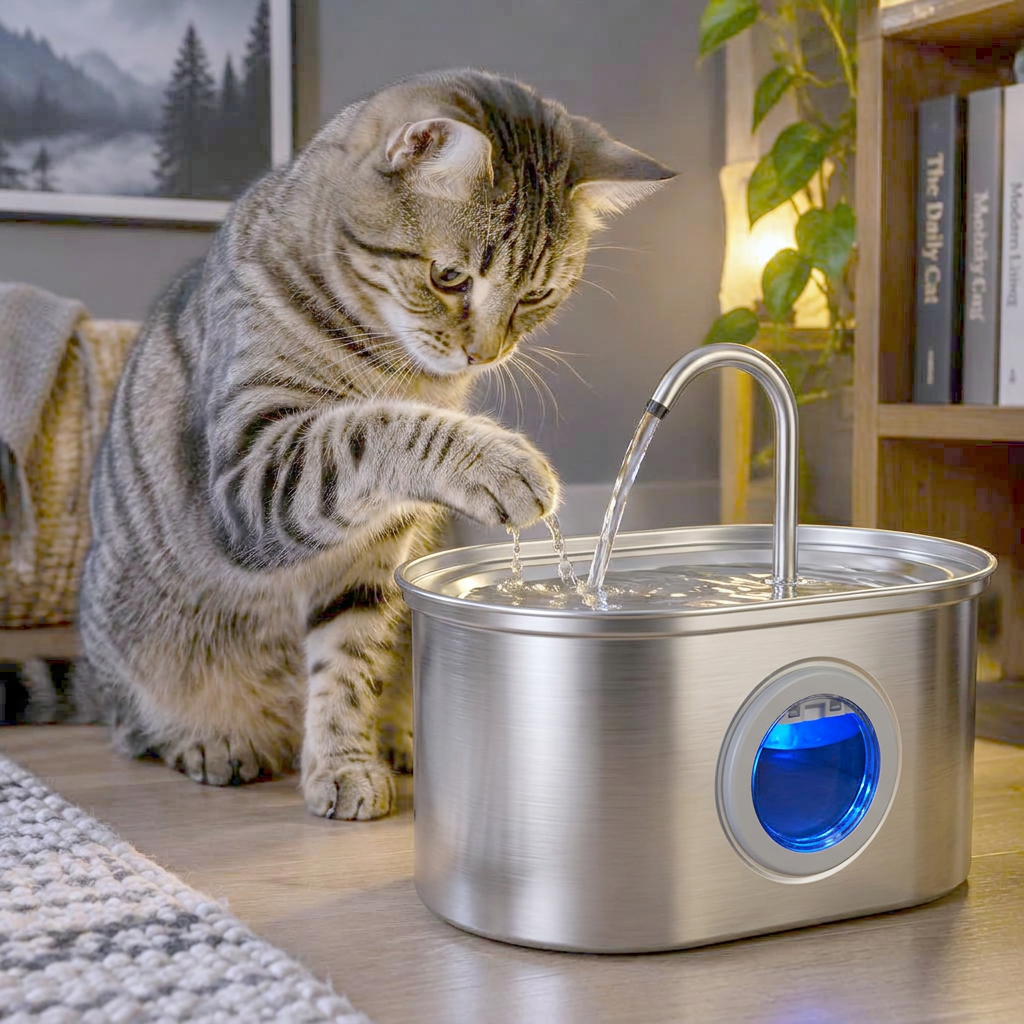
A puddle spreading across the floor, an overturned dish in the kitchen, or a feline dipping a paw into liquid before licking it clean: if your cat knocks over their water bowl, you are not alone. While cleaning up daily spills is frustrating, this behavior almost always has an explanation. Understanding the cause allows you to resolve it without scolding or stress, ensuring your pet stays properly hydrated at all times.
Common Reasons Your Cat Knocks Over Water Bowls
Observe when the bowl is tipped. If it happens at night or when you are away, boredom is likely responsible. If your cat paws at the surface right before drinking, bowl design or depth perception is often the issue. If it occurs in your presence, they may simply want your attention. These observations will point you toward the right fix.
Play is often the most direct explanation. Cats are curious predators intrigued by movement. A shifting water line, dancing light reflections, or a lightweight bowl that slides easily across the floor serve as open invitations to play. Young cats and indoor pets with excess energy are especially prone to treating the bowl as a toy.
Some cats dip their paws to gauge the water level because felines have difficulty focusing on close, still surfaces. Others do it to avoid whisker fatigue. When a dish is too narrow, their sensitive whiskers touch the sides, prompting them to scoop up water with a paw rather than drink directly from the bowl.
A cat may also knock their bowl over to capture your attention, especially if they have learned that you come running immediately. Alternatively, if the water seems stale or unappealing, tipping the dish might simply be their way of asking for a fresh refill.
The Role of an Unsuitable Bowl
Light, small, or round-bottomed bowls tip easily with a single push of a paw. If the container slides on the floor, flipping it becomes effortless. Opt instead for a heavy, wide, and stable vessel made of ceramic or stainless steel, ideally fitted with a reliable non-slip rubber base.
Select a wide, shallow shape and keep it filled near the top. This allows your cat to see the water line clearly and drink without bending their whiskers against the sides. This simple adjustment is often enough to stop them from pawing at the surface entirely.
Boredom and the Need for Stimulation
Cats that lack activity create their own entertainment, and an interactive water dish is an easy target. Schedule two or three short play sessions each day with a feather wand or ball to help your pet burn off hunting energy in a constructive way.
Puzzle feeders, window-mounted cat trees, and high perches also enrich their daily environment. When an indoor cat has plenty of interesting outlets to keep busy throughout the day, they have far less reason to play with their drinking water.
Practical Daily Solutions to Try
Place the water dish on an absorbent mat or a silicone tray with raised edges to protect your flooring. Positioning the bowl in a corner against a wall makes it much more difficult for a determined paw to nudge or overturn.
Refresh the water daily and wash the dish regularly. A cat offered clean, appealing water is less likely to demand a replacement. If your cat loves moving water, a heavy fountain can satisfy their curiosity, letting them enjoy running streams without spilling water everywhere.
Never scold or punish your cat for making a mess. Punishment creates stress and may discourage them from drinking enough water. Stay neutral when cleaning up spills, and reward your pet when they drink calmly.
When to Consult Your Veterinarian
A cat playing with water is rarely sick. However, if this behavior begins suddenly in an adult cat, or is accompanied by increased thirst, weight loss, appetite shifts, or more frequent urination, you should consult your veterinarian to rule out medical issues.
In older cats, a sudden obsession with water may indicate discomfort or deteriorating eyesight. A professional examination will rule out underlying health conditions such as arthritis or vision impairment and give you peace of mind.
Protecting Your Home Without Frustrating Your Pet
If puddles are an everyday occurrence, adapt the area rather than attempting to eliminate the behavior completely. A rimmed tray, washable mat, or folded towel under the bowl is usually sufficient. Keep the water station away from delicate hardwood floors and electrical outlets.
You can also offer an approved water game, such as floating lightweight balls in a shallow basin under supervision. This allows your cat to indulge their natural curiosity away from their primary drinking station.
Meanwhile, ensure your cat continues to drink enough fluids. If a bowl is overturned at night, your pet may be left without water until morning. Add a second stable bowl in another room so fresh water is always accessible, and monitor daily intake for a few days to verify everything is normal.
For cats that love touching water, the Veyrulis fountain provides a continuous stream of water to watch and lap from, set in a stable 3.2-liter SUS 304 stainless steel reservoir. Its filtration system traps hair and debris, while quiet operation blends seamlessly into your home.
Sources and further reading
- International Cat Care — Encouraging your cat to drink: a guide for caregivers (PDF)
- Cornell Feline Health Center — Hydration (besoins en eau, signes et causes de déshydratation)
This advice is for information only and does not replace your veterinarian's opinion.