
Multiple Cats at Home: How Many Water Stations Do You Need?
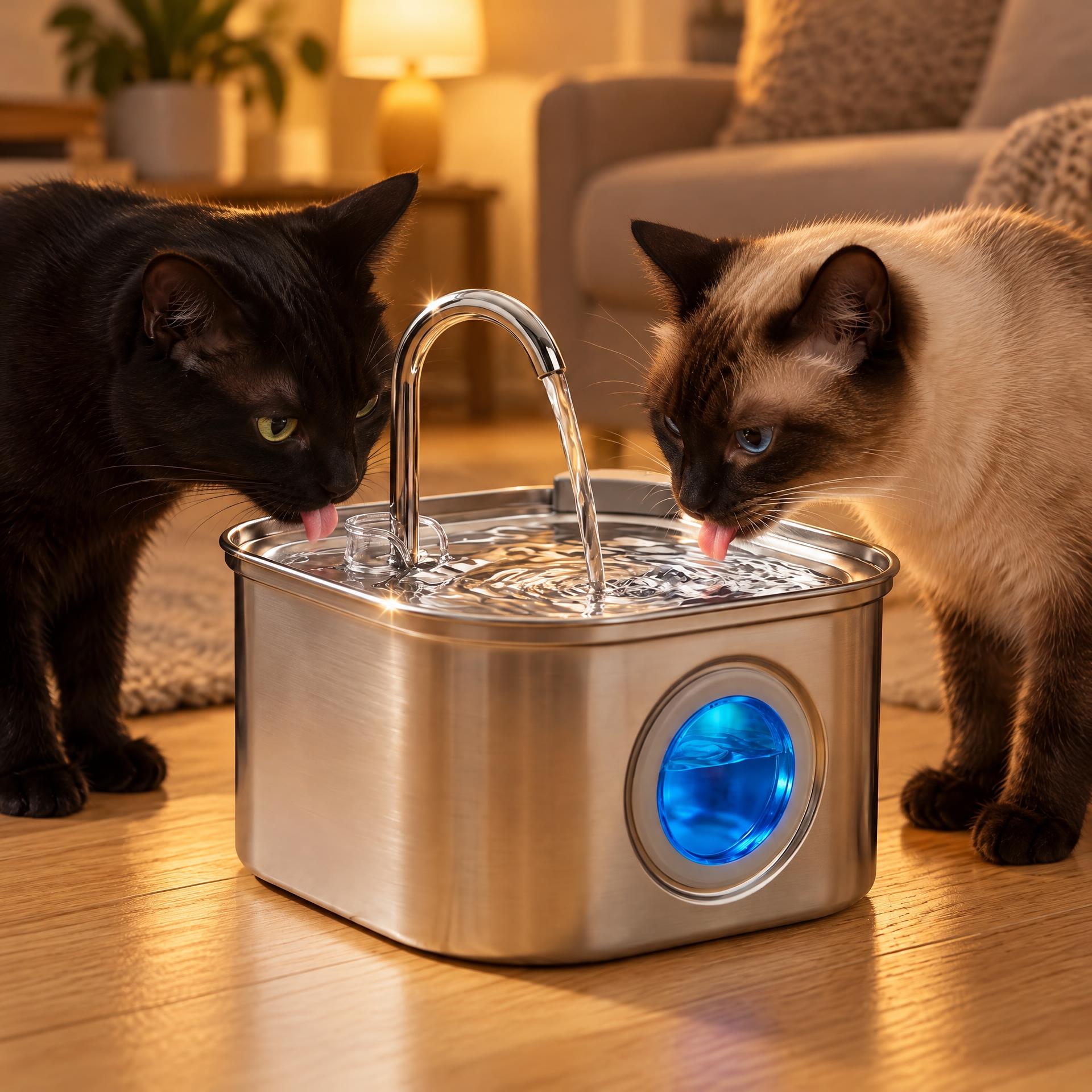
In a household shared by several cats, access to vital daily resources is a much more delicate matter than it might appear at first glance. Felines do not always share their territory willingly, and an anxious or timid cat may avoid drinking from a bowl frequented by a more dominant companion. When caring for multiple cats, knowing precisely how many water stations to provide and where to position them ensures that every pet drinks enough water without experiencing social stress.
Why a Single Water Bowl Is Rarely Enough
Adding multiple water stations throughout your home costs very little and brings genuine peace of mind to a multi-cat household, significantly reducing everyday opportunities for friction.
Cats are inherently territorial creatures that organize themselves into subtle social groups, even under the same roof. While two closely bonded companions might occasionally share a water bowl without issue, this remains an exception rather than the rule.
Tension between felines is often remarkably discreet: an assertive cat staring, lingering near the bowl, or shadowing another pet into the room is easily enough to discourage a gentler cat from approaching.
An intimidated pet may end up drinking far less water or avoid specific living areas entirely, often without their owner noticing the shift in behavior right away.
A cat that drinks insufficiently, particularly when fed dry kibble, faces a greater likelihood of urinary tract troubles, which are further aggravated by chronic environmental stress.
How Many Water Stations Should You Provide?
Guidelines from International Cat Care and certified veterinary behaviorists rely on a straightforward principle: provide sufficient, well-separated resources so each cat can drink peacefully without being forced to cross paths with another.
A practical rule of thumb frequently cited by feline professionals is to offer at least one water station per cat, plus one extra bowl, distributed across different rooms of the house.
In a multi-level home, make sure that dependable drinking points are easily accessible on every single floor where your pets spend their time.
Use this number as a reliable starting baseline, then observe your cats closely and adjust the setup according to their specific habits and daily preferences.
Where to Place Your Cats' Water Stations
Remember to consider vertical space: setting a water bowl on a secure shelf or low cabinet lets a cat who prefers heights drink away from others in complete tranquility. This elevated option is especially appreciated by the shyest cats in the home.
Spread water bowls across different areas rather than grouping them all in the kitchen. Every cat should easily find fresh water near their favorite resting and sleeping spots.
Keep water stations far away from litter boxes and, whenever possible, well separated from food bowls. Avoid narrow hallways and dead ends where one cat could easily corner or block another.
Choose open, accessible locations with multiple entry and exit paths, allowing each cat to drink comfortably while keeping a clear view of their immediate surroundings.
Bowls and Fountains: Offering Varied Options
Wash all water dishes thoroughly at least every two days: with multiple cats, floating hairs, saliva, and food debris accumulate much faster in standing water.
Cats have individual sensory preferences. Offer various receptacles, such as wide ceramic or stainless steel bowls, alongside a fountain for pets who enjoy moving water.
A generous pet fountain is practical for a multi-cat household, but it should never be the only water source, or it inevitably becomes an unavoidable bottleneck.
Check the water level frequently, as several cats will deplete it quickly, and clean the pump and components regularly to keep it hygienic.
Observing Each Cat and Monitoring Habits
Measuring water intake at each location for a few days reveals your cats' preferred drinking spots. Stations that are never used can then be relocated to more popular areas.
Welcoming a new cat is a delicate transition: provide extra resources, including dedicated water bowls, in their introductory room well before any direct meetings with resident pets.
Take time to watch who drinks, where, and when. A cat who consistently avoids a specific water point might simply be evading another household companion.
Watch for subtle signs of stress, including hiding, inappropriate elimination, excessive grooming, or sudden changes in appetite, which often reflect underlying friction within the feline group.
If you have any doubts, a veterinarian or certified feline behaviorist can help you reorganize your living environment effectively.
Signs That Require a Veterinary Consultation
Note carefully which pet displays unusual symptoms, as identifying the specific cat having litter box difficulties can be challenging in a multi-cat home.
A cat straining in the litter box with little urine, urinating outside the box, or showing blood in their urine requires prompt veterinary attention. In male cats, an inability to urinate is an absolute medical emergency.
A cat that suddenly drinks significantly more or less water, loses weight, or stops eating properly must also be examined by a veterinarian.
In a home with several cats, these warning signs can easily slip by unnoticed, so stay attentive to each individual pet.
If you wish to offer moving water, the Veyrulis fountain combines a 3.2-liter SUS 304 stainless steel reservoir, filtration that captures hair and impurities, quiet operation, and an illuminated window to monitor the water level. It does not replace an appropriate diet or professional guidance from your veterinarian.
Sources and further reading
- International Cat Care — Encouraging your cat to drink: a guide for caregivers (PDF)
- Cornell Feline Health Center — Hydration (besoins en eau, signes et causes de déshydratation)
This advice is for information only and does not replace your veterinarian's opinion.