
Squeaky cat tree: finding the source of the noise
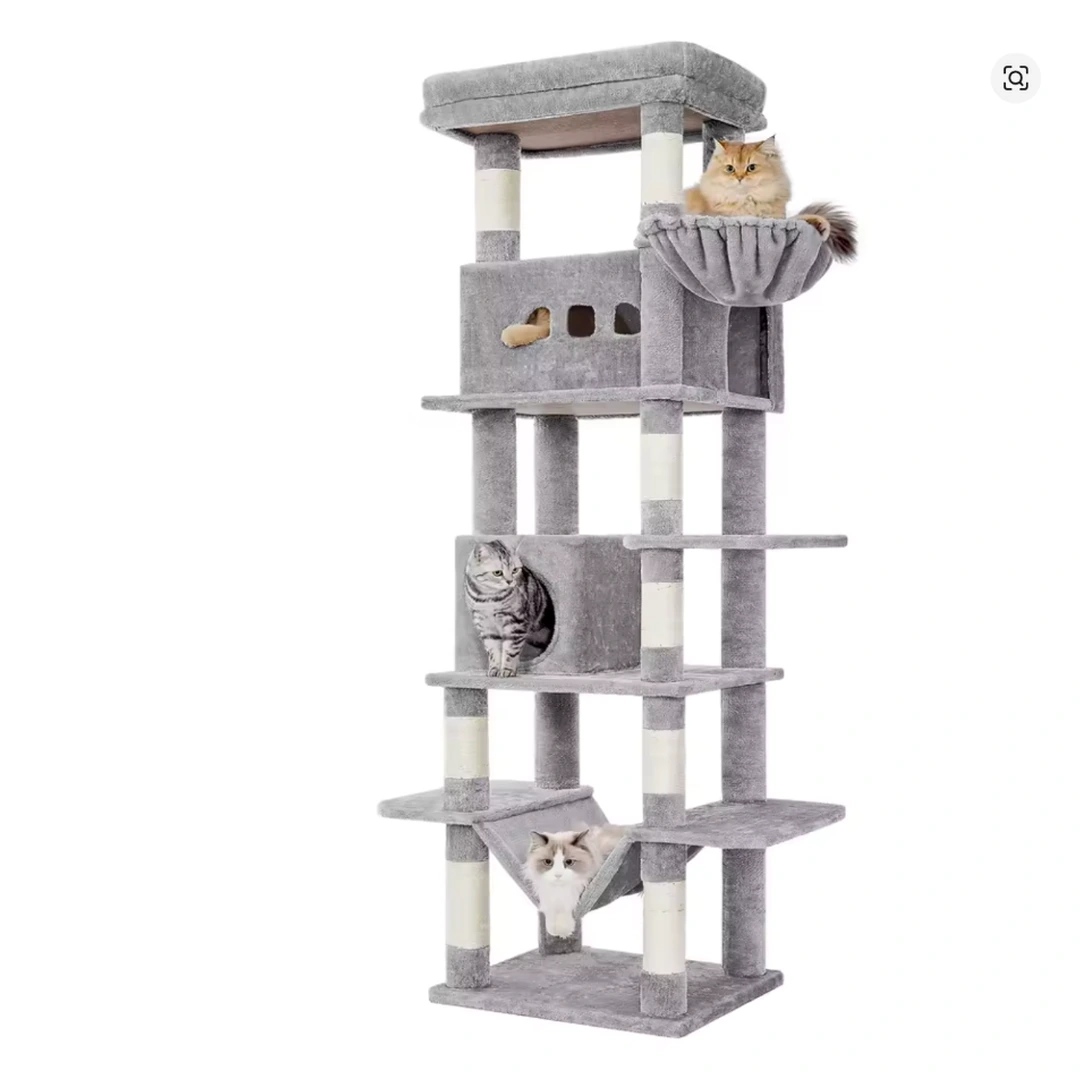
Does a little squeak accompany every climb onto the perch? A squeaky cat tree calls for methodical observation rather than a quick spray. The noise could come from a joint, trapped covering or contact with something nearby. The aim is to identify the precise movement that triggers it, then address the cause in accordance with the manufacturer's instructions. Work with your cat off the structure, without applying force or trying to conceal a defect with a product.
Squeaky cat tree: listen before touching
Start by noting the circumstances: does the noise occur when your cat places a paw on a platform, climbs down from a sleeping area or scratches a post? Observe only spontaneous movements, without encouraging your cat onto a suspect area. A nearby recording can help compare sounds, but cannot establish whether the structure is safe.
When your cat is elsewhere, remove only the detachable accessories permitted by the manual. Check whether a toy, cushion fastening or nearby basket is rubbing against the structure. Ruling out these points of contact helps you avoid unnecessarily dismantling a joint that is not responsible for the squeak.
If you notice a cracked component, a fixing that has come out of its housing or a part that is deforming, stop testing and prevent access. Silence would not prove that the structure is sound. Ask the manufacturer what to do before allowing it to be used again.
Isolate the movement that causes the noise
To locate the source, examine one area at a time, following the inspection options described in the manual. Apply gentle hand pressure to the edge of a platform, then release it. Do not climb onto the tree or use a weight to imitate a jump: this could damage a component.
Listen near the joints without putting your fingers into gaps. Sound can travel along a post and seem to originate on another level. A second person can listen while you gently move just one area. Describe the trigger: pressure on an edge, slight sideways movement or contact between two surfaces.
Distinguish continuous rubbing from a small click when the direction changes. The first suggests two surfaces touching; the second may indicate play in a joint. These are clues, not a definite diagnosis. Note the location and the associated movement before you change anything on the cat tree.
Examine joints and surfaces in contact
In the identified area, look for a rubbing mark, an edge of fabric trapped between two components or a washer that appears displaced. Compare the assembly with the manufacturer's diagram. Taking a photograph before intervening helps you restore the original arrangement and explain the problem to customer service if necessary.
A trapped covering can prevent the intended surfaces from meeting correctly. Do not cut it to save time. If the manual permits opening that joint, reposition the fabric according to the assembly instructions, then reassemble it. Otherwise, seek advice: apparently unnecessary fabric may be part of the required finish.
Also check surrounding points of contact: a platform edge against furniture, a decorative part against a post or a rigid accessory against a den wall. Eliminate only avoidable contact, without altering the structure. Moving a nearby object slightly may be enough to confirm that the noise did not originate in a joint.
Address the cause without applying lubricant indiscriminately
If a fixing has some play, use the tool and procedure specified in the manual. The aim is not to tighten it as hard as possible: overtightening can damage a thread or compress a material. If the screw turns without engaging, stop tightening and contact the manufacturer for advice.
Do not independently add a washer, adhesive felt pad or shim to a load-bearing joint. Extra thickness can change how components rest against each other or how the fixing engages. For persistent rubbing, ask whether a specific separating component is intended. Use only the solution approved for this model, following its manual.
Avoid household oils, grease, sprays and scented products on areas accessible for licking or scratching. The word ‘natural’ does not guarantee safety. Even a product intended for furniture is not automatically suitable for this purpose. Without explicit instructions from the manufacturer, it is better not to apply anything.
Check the result and preserve familiar surroundings
After each permitted adjustment, gently repeat the same checking movement with the tree unoccupied. Changing just one point at a time helps identify what stopped the noise. If it returns quickly, do not keep tightening fixings: send your observations to the manufacturer and suspend access to the affected part.
The AAFP and ISFM feline environmental needs guidelines (2013) particularly highlight the importance of hiding places, elevated perches, scratching and familiar smells. During the work, leave your cat's usual resources accessible elsewhere. Avoid scenting the tree or forcing your cat to return to it to test your repair.
Your cat should return voluntarily, after the checks specified in the manual. Observe without prompting an additional jump. If there is pain, limping, a fall, parasites or a change in behaviour, consult a vet. Correcting a noise is not enough to explain or resolve an unusual reaction from your cat.
VEYRULIS is preparing a 210 cm tall, multi-level tower cat tree, still at the draft stage and not yet for sale. Its price has not been approved and its colour variant remains to be confirmed. To identify any squeaking, the joints and inspection instructions will need examining; all specifications must be checked against the manual for the model delivered.
Sources and further reading
This advice is for information only and does not replace your veterinarian's opinion.