
New cat tree smell: when should you air it, and when should you stop?
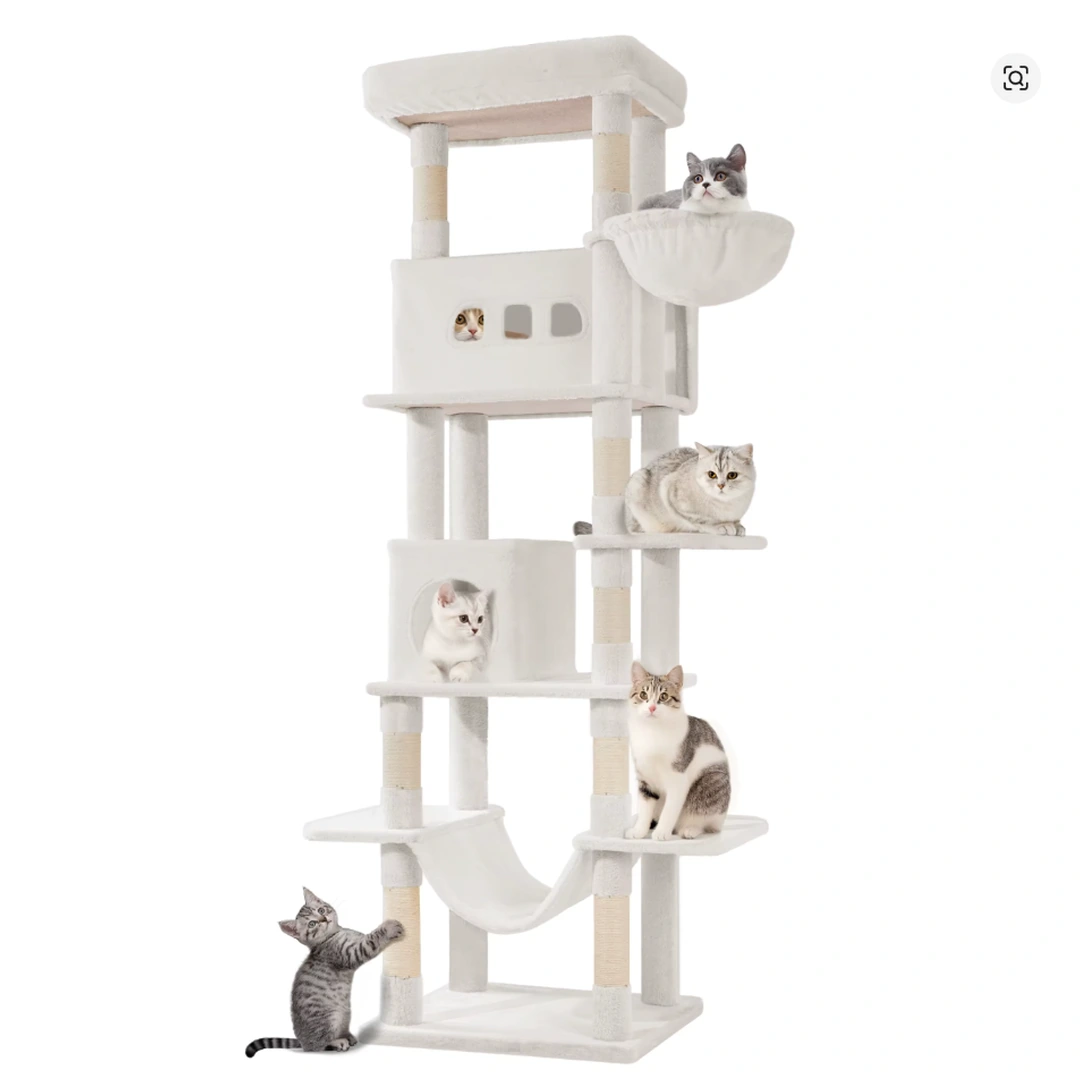
You open the box and a noticeable smell fills the room. Should you simply let the cat tree air, or ask for a replacement? Searching for “new cat tree smell” reflects a legitimate concern, but your nose alone cannot identify a substance or establish that it is harmless. The sensible approach is to keep your cat away, inspect the product’s condition and monitor how the smell changes. Here is how to distinguish something that needs observation from a concern that deserves a discussion with the seller.
New cat tree smell: observe before drawing conclusions
A smell immediately after opening may come from the packaging or materials kept in an enclosed space. This does not automatically mean the product is dangerous, but calling it a “new product smell” provides no guarantee either. Without bringing your face close to the surfaces, note whether the smell seems mainly associated with the box, one particular component or the whole structure. Do not try to identify an adhesive by smelling it.
Next, examine the product in good light: damp packaging, suspicious marks, a sticky covering or unusual residue should be reported. Photograph anything that seems abnormal before taking action. Read the instructions for any unpacking and ventilation guidance. A smell that fades after removing the packaging is a useful observation, not sufficient proof to rule out a problem if other abnormalities are present.
Air the product without masking or changing the problem
If nothing abnormal is visible, temporarily put the product in a ventilated room that your cat cannot access, following the manufacturer’s instructions. Remove protective materials intended to be taken off and move the packaging away. Keep anything useful for a possible complaint somewhere the animal cannot reach. Avoid putting it outdoors, exposing it to moisture or direct sunlight, or placing it near heat unless the instructions explicitly allow this: an improvised treatment can damage the product.
Do not add perfume, essential oils or air freshener to make the smell acceptable. Do not attempt washing or apply a household cleaning product without guidance appropriate to the model. The aim is to observe genuine changes, not cover them up. Simply record the opening date, ventilation conditions and your general impression at intervals. There is no universal waiting period to promise: ask the seller for guidance specific to this product reference.
Know when to stop use and seek advice
A very overpowering smell, one that persists despite the recommended airing, or one accompanied by a visible defect justifies keeping the product out of use. Be equally cautious if it causes discomfort to a person: move away and contact the seller rather than repeatedly trying different approaches. A smell strongly reminiscent of solvent, mould or burning deserves an explanation, without claiming to identify its cause. You do not need a chemical diagnosis to report a concern.
If your cat has already approached the tree, do not put them back on it to test their reaction. Consult a vet in the event of pain, limping, a fall, parasites or behavioural changes. Describe the facts and their sequence without automatically attributing the problem to the smell. While this is being checked, keep the tree inaccessible and maintain your cat’s usual resources. An animal that moves away must never be forced to stay beside the structure.
Prepare for a useful discussion with the seller
Your message will be easier to handle if it includes the product reference ordered, delivery date, photographs and a factual description. Explain when you noticed the smell, where it seems concentrated and whether it is decreasing, staying the same or increasing. Mention any marks and only the measures you have actually taken. Avoid statements such as “toxic glue” without an identification: describing what you observed is enough to start the discussion.
Ask whether this smell is expected for the model, which written instructions apply and what solution is offered if it persists. If the answer remains vague, or there is a defect alongside the smell, ask about the procedure for an exchange or return. Keep written correspondence and await instructions before altering or discarding any part. Do not try to repair a new product whose conformity you are questioning.
Introduce the product only once concerns are resolved
Resuming use should not depend solely on wanting to finish the installation. Check that reported abnormalities have received a satisfactory response and that the manufacturer’s instructions have been followed. If the smell remains unexplained or distinctly unpleasant, prioritise discussing a replacement rather than prolonged exposure for your cat. When another unit arrives, repeat your unpacking observations: an exchange does not remove the need to inspect the condition of the replacement.
The AAFP and ISFM feline environmental needs guidelines (2013) highlight, among other things, the importance of familiar smells and respectful interactions. They cannot establish whether the smell of new furniture is acceptable, but they explain why forced introductions should be avoided. Once concerns are resolved, let your cat approach freely while keeping their familiar surroundings and resources. A familiar textile can accompany this introduction if the instructions permit, but must never conceal a persistent smell.
VEYRULIS is preparing a 210 cm tall, multi-level cat tree tower for accessoireschat.com; this is still a draft product and is not yet for sale. The price has not been approved, and the colour variant remains to be confirmed. Specifications must be checked against the instructions for the model delivered, along with any guidance on airing it on arrival: a strong smell should not be dismissed.
Sources and further reading
This advice is for information only and does not replace your veterinarian's opinion.