
Second-hand cat tree: checks to make before buying
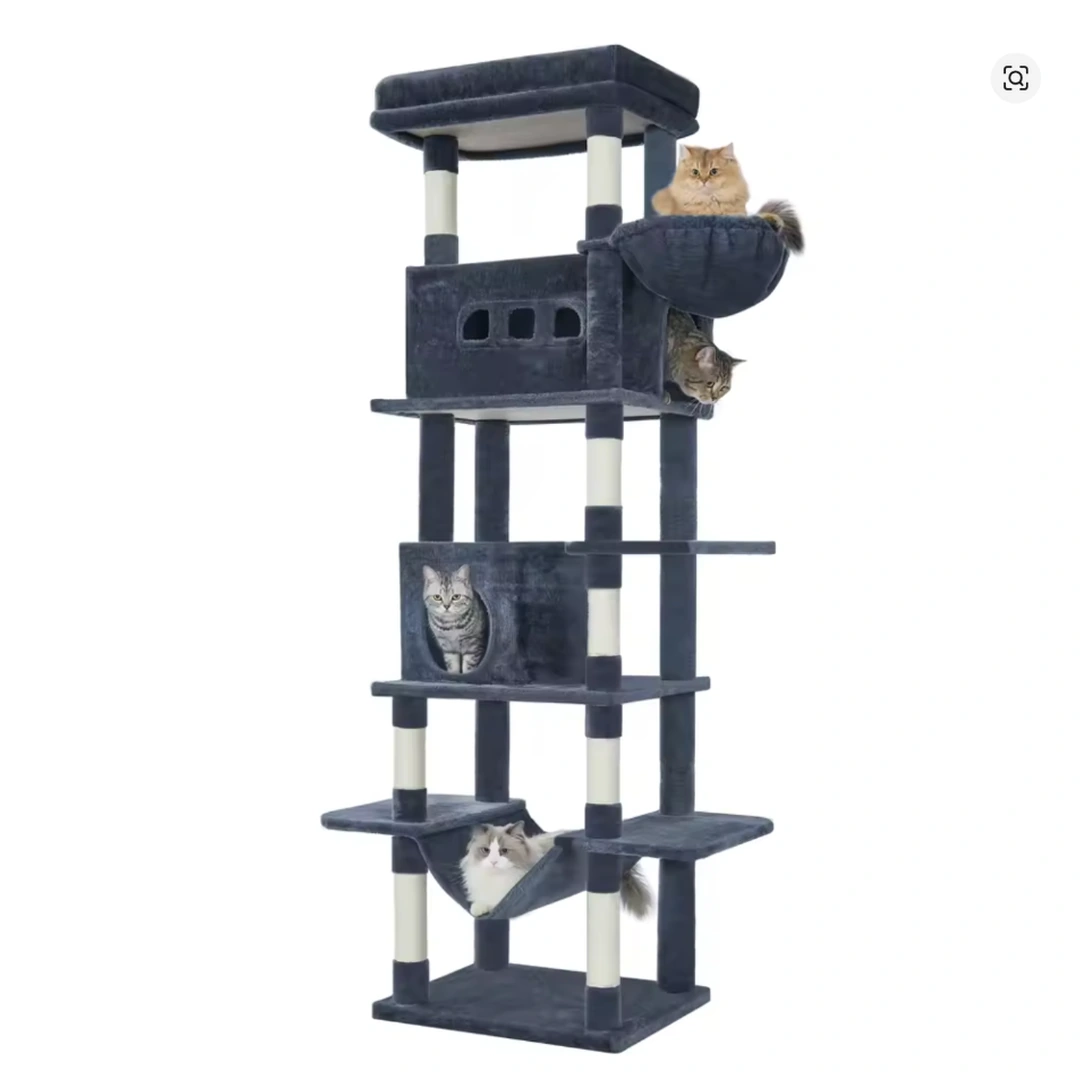
A second-hand cat tree may look immaculate in an advert yet reveal a few surprises once you turn it over. Before travelling to see it, and again before paying, the aim is to distinguish acceptable signs of use from faults that justify walking away. This inspection concerns the structure just as much as the item's history and hygiene condition. Arrange to see it fully assembled in a well-lit place, without your cat: a flattering photograph cannot show you what is hidden underneath the resting areas.
Second-hand cat tree: establish where it came from
Ask for the brand, exact model reference and manufacturer's instructions. An invoice or an old order confirmation may help identify the model, but does not guarantee its condition. Find out how long it has been used, how many animals have used it and why it is being sold. Also ask the seller about house moves, periods in storage and any exposure to damp: these details will help guide your checks when you see it in person.
Ask specific questions about alterations: has a platform been added, a post replaced or a joint glued back together? Also ask whether any cats in the household have had parasites or a health problem that could affect the item. A reassuring answer does not replace inspection. If the model reference cannot be found, the history seems contradictory or the seller refuses to show certain parts, keep looking rather than filling gaps in your knowledge with assumptions.
Look for wear, including in hidden areas
Start by looking at the whole tree, then inspect beneath each platform and behind coverings that have already come loose, without pulling them off. Hair or faded fabric does not tell the same story as a swollen board, a crack or a crumbling surface. Look for stain rings, distorted edges and areas that feel soft under light pressure. With the seller's permission, photograph faults for comparison with the instructions later, rather than making a rushed decision.
Run your hand carefully over accessible surfaces, avoiding any visible sharp points. Look for exposed staples, splinters, open seams and pieces of covering that come away easily. In scratched areas, check particularly whether wear has exposed anything hard or sharp. Do not accept the idea that adding a cushion will be enough to hide a fault. Worn decoration may be acceptable; a weakened support or an area you cannot inspect calls for considerably more caution.
Check joints without improvising repairs
Ask to see the tree assembled before any dismantling for transport. Examine every connection: misaligned parts, absent screws, washers missing according to the instructions, glue marks or extra drilled holes all deserve an explanation. Check that the components match the advertised model. A screw that seems to fit is not necessarily the one specified by the manufacturer; confirm part references, assembly details and replacement options in the manufacturer's documentation or by contacting its customer service team.
With the seller's permission, apply only gentle pressure by hand to accessible components, without climbing on the tree or simulating an animal's weight. Watch for movement at the joints and gaps opening between parts. This check does not certify strength: if you have any doubts, seek confirmation from the manufacturer before buying. Do not assume tightening everything will solve the problem. Damaged threads or an altered joint can make the item's true condition difficult to assess.
Assess hygiene before taking it home
Use a torch to inspect fabric folds, the undersides of resting areas and narrow gaps. Look for insects, suspicious marks, soiling and signs of persistent damp. Smell the item from nearby without pressing your face against the fabric. A strong fragrance can make assessment harder; it proves neither cleanliness nor concealment. An absence of visible marks does not guarantee hygiene either. Ask which products have been applied and whether the seller can show you their directions for use.
If you see parasites or suspect they are present, postpone the purchase and consult a vet about appropriate precautions before bringing anything into your home. Walk away as well if mould is visible or the condition of internal layers remains uncertain. The aim is not to plan an improvised treatment afterwards. Check the instructions to establish which parts are removable and what cleaning is permitted: an item you cannot properly inspect or maintain leaves too much uncertainty.
Decide before paying, then prepare for its arrival
Before completing the purchase, review the faults you have noticed and the parts included with the seller. Keep photographs, the model reference and useful messages. Buying only remains reasonable if important questions have verifiable answers, without assumed repairs or vague promises. Once home, keep the tree out of your cat's reach until final checks and manufacturer-approved cleaning are complete. Also check that no components have been lost or damaged during the journey back to your home.
The AAFP and ISFM guidelines on feline environmental needs (2013) highlight the importance of hiding places, elevated perches, scratching and familiar smells. They do not certify second-hand equipment. Let your cat explore the item at its own pace, without forcibly placing it on the tree. For any sign of pain, limping, a fall, parasites or a change in behaviour, consult a vet rather than automatically assuming that the situation is simply a reaction to something new.
VEYRULIS is preparing a 210 cm tall, multi-level tower cat tree, not yet for sale on accessoireschat.com. The price has not been approved, and the colour variant remains to be confirmed. As with a second-hand purchase, specifications will need checking in the instructions for the model actually delivered: a presentation is no substitute for precise documentation.
Sources and further reading
This advice is for information only and does not replace your veterinarian's opinion.