
Broth or Flavoured Water for Cats: A Good Idea to Encourage Drinking?
To encourage a cat that drinks very little, some owners consider offering broth or flavoured water. The idea can work well, as the scent of meat or fish naturally attracts felines. However, preparing broth or flavoured water for cats requires great caution because several everyday ingredients are toxic to them. Here is what you need to know.
Why the Idea Can Encourage Hydration
In a cat recovering from illness or surgery, appetite and natural thirst are often noticeably reduced. In such cases, your veterinarian must guide the hydration strategy: flavoured water can help, but it never replaces treatment.
Cats are extremely sensitive to aromas, which guide their interest in food and drink. Water lightly infused with meat or fish cooking juices can stimulate curiosity, whereas plain, odourless tap water may leave them completely indifferent.
Offering a small serving of this flavoured liquid alongside regular water can temporarily boost fluid intake. This works well during convalescence or hot summer weather, provided your veterinarian approves adding it to their daily routine.
It is essential to view flavoured water as an occasional boost rather than a permanent hydration solution. Plain fresh water must always remain the foundation of your cat's everyday fluid consumption throughout their life.
Dangerous Ingredients to Avoid Completely
If your cat accidentally consumes broth containing onion or garlic, contact your veterinarian or an animal poison control centre immediately. Prompt professional advice is crucial, even if your pet currently appears healthy and comfortable.
Commercial stock cubes and ready-made liquid broths meant for humans must be strictly avoided. These supermarket products contain excessive amounts of salt and frequently include hidden garlic, onion, leeks, or chives in their recipes.
All plants from the allium family are toxic to cats, whether raw, cooked, dried, or powdered. They cause oxidative damage to feline red blood cells, which can trigger severe, potentially life-threatening haemolytic anaemia.
You must also avoid culinary spices, added fats, flavour enhancers, and broths cooked with bones. Cooked bones become brittle and can easily shatter, presenting severe choking hazards or internal lacerations along the digestive tract.
Preparing a Safe Homemade Broth
When introducing homemade broth for the first time, offer only a few spoonfuls to your pet. Carefully observe their digestive tolerance over the following twenty-four hours before turning it into an occasional hydration ritual.
To prepare a safe broth, simply simmer lean chicken breast or boneless white fish in plain tap water without salt, vegetables, or seasonings. Allow the liquid to cool completely, then skim away any surface fat.
Use only the strained cooking water, diluting it with plain water if needed, and serve a small quantity in a separate bowl. It must always remain a gentle dietary complement rather than their primary beverage.
Store fresh homemade broth in the refrigerator for no more than twenty-four to forty-eight hours. Alternatively, freeze the liquid in clean ice cube trays to create convenient, pre-portioned servings for occasional future use.
Commercial Drinks Formulated for Cats
Be cautious of exaggerated packaging claims on commercial beverages. No over-the-counter pet drink can protect kidneys or dissolve urinary stones without a prescription; these products complement hydration but cannot cure or manage medical diseases.
Pet retailers offer specialised broths, liquid treats, and soups created for felines. While these products are undeniably convenient, examine the ingredients carefully to select species-appropriate recipes that contain no added sugar or unnecessary fillers.
Commercial cat drinks often supply extra calories to your pet's daily intake. Remember to incorporate these liquid snacks into their overall daily nutritional ration to prevent unwanted, gradual weight gain over the long term.
If your cat has underlying health problems, especially kidney disease or urinary issues, speak with your veterinarian before purchasing commercial drinks to confirm that every single ingredient aligns safely with their prescribed medical diet.
Essential Hygiene and Serving Rules
Always use a clean spoon when serving portions, and never pour unfinished broth back into the storage container. This simple daily habit prevents bacterial contamination and keeps the remaining batch fresh and safe to consume.
Water flavoured with meat or fish spoils much faster than plain tap water. Never pour it into a pet fountain, as the animal protein will clog the pump, foul the filter, and foster rapid bacterial growth.
Offer the flavoured liquid in a small dish, remove any leftovers after one or two hours, and wash the bowl thoroughly with warm soapy water immediately afterwards to maintain proper pet food hygiene.
Keep clean, unflavoured water permanently available in your cat's usual drinking stations around your home. Flavoured alternatives should never replace standard bowls of fresh drinking water that your pet relies on every day.
Simple and Reliable Daily Alternatives
Remember that maintaining healthy feline hydration primarily relies on simple, consistent practices: fresh water renewed daily, wide shallow bowls, quiet feeding locations, and regular portions of quality wet food in their diet.
Incorporating canned wet food into your cat's daily meals remains one of the safest and most effective ways to increase their fluid consumption without requiring complex kitchen recipes or time-consuming preparation.
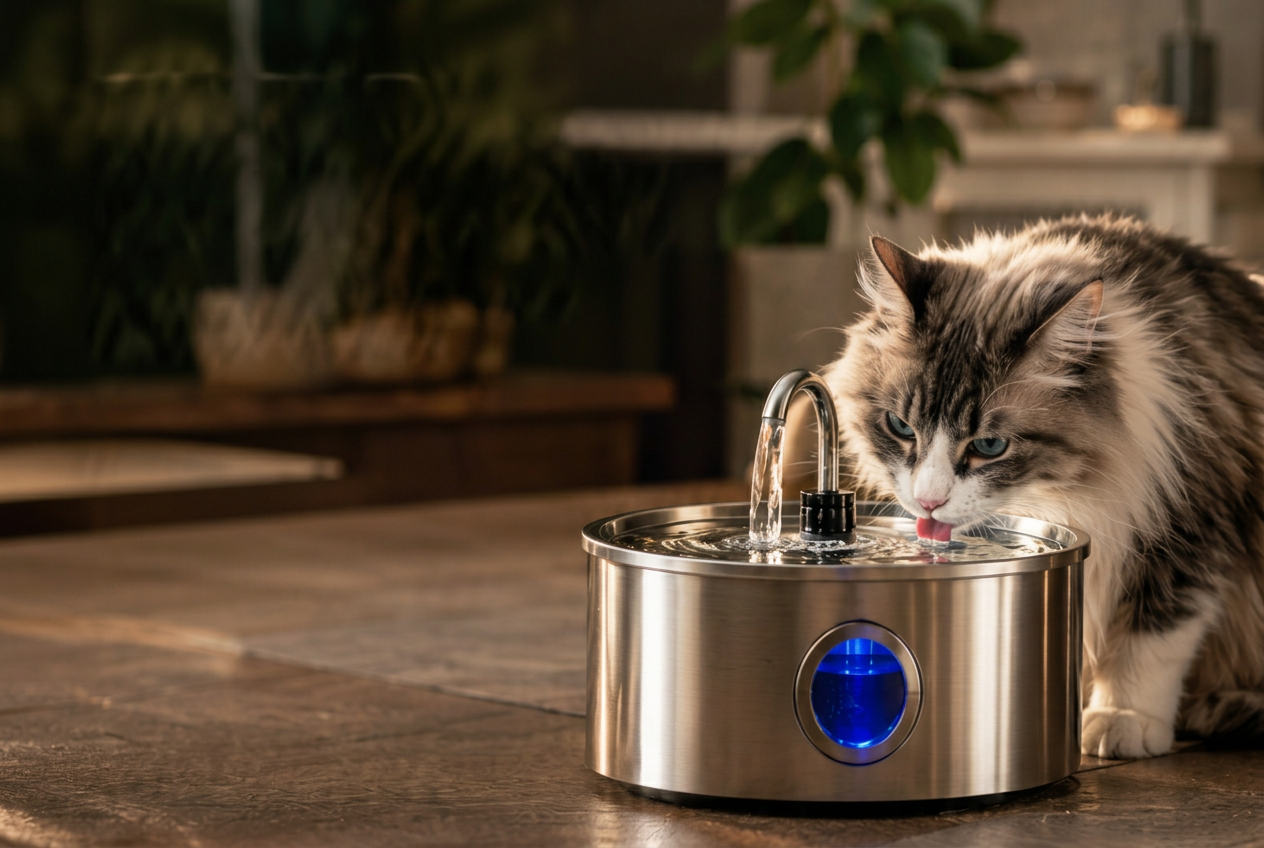
Placing multiple clean water bowls in quiet spots and offering flowing water from a well-maintained pet fountain will also encourage many cats to drink more frequently throughout the day.
If your cat consistently drinks very little or if their water consumption changes abruptly, consult your veterinarian promptly. A professional examination is essential to identify and address any underlying health issues.
If you wish to offer moving water, the Veyrulis fountain features a 3.2-litre SUS 304 stainless steel reservoir, filtration that captures hair and impurities, quiet operation, and an illuminated window to monitor the water level. It replaces neither a tailored diet nor the advice of your veterinarian.
Sources and further reading
This advice is for information only and does not replace your veterinarian's opinion.