
Can Cats Drink Milk? What You Need to Know
In popular culture, cats and saucers of milk seem practically inseparable. Yet veterinarians are unanimous: cow milk is not an appropriate beverage for most adult cats. So, can cats drink milk safely? The answer requires nuance, but one essential fact remains clear: milk should never replace fresh water. Here is what you need to know about feline digestion and dairy.
Why Milk Causes Digestive Problems
Symptoms of digestive distress typically show up within several hours following dairy consumption. While these signs might easily pass unnoticed in an outdoor cat roaming outside, indoor felines will usually reveal their physical discomfort through loose stools or a messier litter box.
Cow milk contains a specific natural sugar known as lactose, which requires a specialized digestive enzyme called lactase to be broken down properly. Young kittens naturally produce abundant lactase while nursing on their mother milk, but production of this vital enzyme drops sharply once they transition onto solid food.
Consequently, many adult cats become lactose intolerant over time. When undigested lactose moves into the large intestine, resident gut bacteria ferment it, creating uncomfortable side effects such as intestinal gas, abdominal bloating, painful stomach cramping, and severe bouts of diarrhea.
Because sudden diarrhea inevitably leads to significant fluid loss, offering milk to a cat that already drinks little water can paradoxically worsen their risk of dehydration rather than helping them stay hydrated.
Do All Cats React the Same Way?
Rich cream, butter, and sweetened dairy desserts like ice cream or custard are even less suitable for felines. Far too high in fat and sugar, they provoke digestive upset, contribute to unwanted weight gain, and may contain ingredients toxic to pets, such as chocolate or sweeteners.
Feline digestive systems do not all respond identically. Some individual cats appear to tolerate modest quantities of milk without obvious symptoms, while others develop gastrointestinal distress after only a couple of sips. It is impossible to know in advance how your own pet digestive system will handle dairy.
Tolerance can also vary depending on the particular dairy product offered. Hard cheeses and fermented plain yogurts contain significantly less lactose than regular liquid milk, yet they remain very dense in saturated fats and are not nutritionally suitable staples for an obligate carnivore.
Whenever you have any doubts about whether dairy is safe for your companion, the simplest and most responsible choice is simply to abstain.
Milk Is Food, Not a Daily Drink
For an adult cat weighing around four kilograms, even a small saucer of cow milk represents a substantial portion of their total daily caloric requirements, without offering the balanced nutrients an obligate carnivore truly needs to thrive.
Even when a cat tolerates dairy without apparent stomach upset, milk still provides surplus calories, fats, and proteins. These extra calories add to regular food portions and can easily lead to excessive weight gain, especially in neutered, spayed, or indoor pets.
Crucially, milk cannot replace clean drinking water, which remains the only vital fluid a feline body requires. A cat that fills its stomach with rich milk often ends up drinking less water, which is undesirable for feline health.
Veterinarians therefore recommend viewing milk, at best, as an occasional novelty treat rather than an everyday beverage.
What About Specially Formulated Cat Milk?
Pet supply stores often sell milks formulated specifically for cats, typically treated to have a greatly reduced lactose content. While these products are much better tolerated by sensitive feline digestive systems, they remain calorie-dense foods that should be offered sparingly within your pet overall daily ration.
For an orphaned or unweaned young kitten, standard cow milk is completely unsuitable, even if diluted with water. Only an approved kitten milk replacer provides the necessary nutrition. Consult your veterinarian for precise instructions regarding feeding amounts and schedules.
Always read commercial ingredient labels carefully before buying cat treats, and steer clear of any packaged items containing added sugars or artificial additives.
Better Alternatives to Offer Your Cat
If your cat begs for milk out of habit, gradually replace this routine with another rewarding interaction. Offering a small portion of wet food, an energetic play session, or a gentle brushing routine provides the attention they are truly seeking.
The best beverage for any feline is clean, fresh water accessible at all times throughout the day. Place multiple water bowls around your living space, keep them well away from litter boxes, and refresh the water daily to keep it appealing.
If you want to boost your pet hydration, high-quality wet food is much more effective than milk. Canned cat food typically consists of seventy to eighty percent moisture while delivering complete, species-appropriate nutrition.
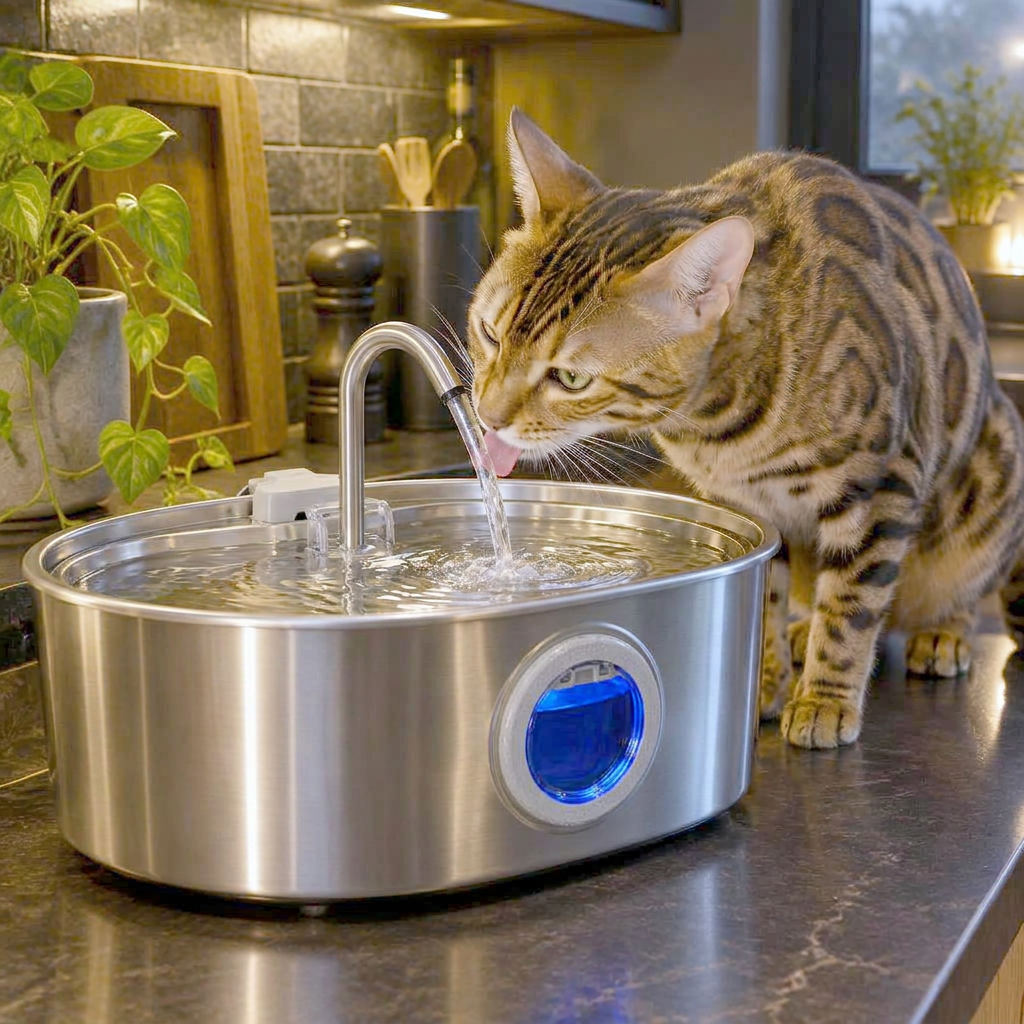
Moving water also appeals strongly to a cat natural hunting instincts and encourages them to drink more frequently. A clean fountain with circulating water is far more enticing to many felines than a standing bowl.
What to Do If Your Cat Drinks Milk
There is no need to panic if your cat laps up a small splash of spilled milk. In most cases, a modest amount causes nothing worse than mild, temporary digestive upset. Simply observe your pet over the coming hours and provide plenty of fresh water.
If diarrhea persists for more than twenty-four hours, or is accompanied by repeated vomiting, traces of blood, or unusual lethargy, contact your veterinarian right away. Reaching out for professional medical advice is particularly urgent if the cat is a young kitten or an older senior.
Next time, offer an appropriate cat-friendly treat or enjoy an interactive play session instead. Your companion will appreciate your loving attention just as much, without any of the uncomfortable stomach troubles.
If you wish to provide moving water, the Veyrulis fountain combines a 3.2-litre SUS 304 stainless steel reservoir, filtration that captures hair and impurities, quiet operation, and an illuminated water-level window. It replaces neither a proper diet nor the advice of your veterinarian.