
Senior Cat Not Drinking Much Water: How to Support Their Hydration
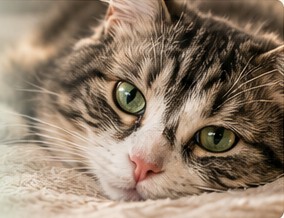
As cats grow older, many become more homebound, sleep more, and sometimes drink less water. Yet it is precisely during these senior years that hydration becomes even more important, as the kidneys and urinary tract grow more fragile. If your older cat is drinking very little, simple adjustments to their environment and diet can make a genuine difference, in partnership with your veterinarian. This article concerns the senior cat in general; managing diagnosed kidney disease is addressed separately.
Why Does an Older Cat Drink Less?
Some older cats also become less tolerant of change. A moved bowl, a new water fountain, or water with an unfamiliar taste can be enough to confuse them. Introduce any novelty gradually, leaving the old water source in place throughout the transition.
Just as in humans, the sensation of thirst tends to decrease with age. A senior cat may therefore feel less inclined to drink, even though their body genuinely needs sufficient fluids to function well.
Osteoarthritis, very common in older felines yet often subtle, makes getting around much more painful. A cat that experiences discomfort going down stairs, jumping onto furniture, or bending over a low bowl may simply give up on going to drink.
Dental problems, diminished vision or sense of smell, and nausea linked to an underlying illness can also reduce their desire to drink and eat. When taking sips causes discomfort, cats naturally avoid their bowls.
Common Medical Conditions in Senior Cats
Chronic kidney disease, hyperthyroidism, and diabetes are common in older cats. Paradoxically, these illnesses often make cats drink more rather than less. A change in water intake in either direction always merits professional veterinary advice.
This is why veterinarians generally recommend a health checkup at least once a year starting around seven to ten years of age, and more frequently for very old cats. Routine blood tests and urinalysis allow for early detection of these conditions.
Take this opportunity to report any changes you have observed at home regarding body weight, appetite, thirst, litter box habits, or general behavior. Even subtle details help your vet assess their health.
Adapting Water Stations to Their Physical Abilities
Soft night lighting, such as a gentle nightlight, also helps a cat with failing eyesight find their water bowls and litter box without hesitation or stumbling in the dark.
Place water stations on every floor and close to the spots where your cat spends most of their time, especially their favorite sleeping area. They should not have to make long journeys or jump to reach fresh water.
Choose wide, stable, and shallow bowls placed on the floor or slightly raised to reduce neck strain when leaning down. Avoid slippery flooring or dark corners that could intimidate an unsteady pet.
Change the water daily to maintain freshness. Many older cats remain attracted to running water: a quiet, easily accessible, and well-maintained fountain can encourage them to drink more frequently in small sips.
Food as a Precious Source of Hydration
Wet food provides a large amount of moisture and is often much better accepted by a cat struggling with dental issues. Introducing or increasing wet food is one of the most effective ways to improve a senior cat's hydration.
You can also mix a little warm water into their canned food if your cat accepts it. Gently warming the meal enhances its aroma, which can effectively stimulate the appetite of a cat with declining senses.
Any dietary transition must be gradual. For a cat with health concerns, always have changes validated by your veterinarian, who can recommend a nutritional profile tailored specifically to their medical condition.
Warning Signs to Watch For
Weigh your cat regularly at home if possible, as weight loss, even when slow and steady, is an important signal in older cats. Keep a watchful eye on their appetite, the size of urine clumps in the litter box, and their overall activity levels.
A cat that suddenly drinks significantly more or almost nothing at all, vomits, loses weight, or hides away should be examined by a veterinarian without waiting for their scheduled annual visit.
Repeated trips to the litter box with little to no urine passed represent a medical emergency that requires prompt veterinary attention, regardless of the cat's age.
Supporting Everyday Comfort and Routine
Brush your cat regularly, as senior felines often groom themselves less effectively. This quiet moment of contact also allows you to notice weight loss, tender areas, or changes in their coat texture.
An older cat appreciates stability and predictable routines: keep water bowls, litter boxes, and feeding stations in consistent locations. A litter tray with low sides that are easy to step over also assists a cat dealing with joint stiffness.
If you suspect your cat is in pain, discuss it with your veterinarian. Appropriate treatments can improve their daily comfort and often restore their willingness to walk around to drink and eat.
Finally, take time to observe your companion every single day. You know your pet best, making you the person most capable of noticing the small behavioral shifts that truly matter.
If you wish to offer moving water, the Veyrulis fountain combines a 3.2-liter SUS 304 stainless steel reservoir, filtration that traps hair and impurities, quiet operation, and an illuminated window to monitor the water level. It does not replace an appropriate diet or the advice of your veterinarian.
Sources and further reading
- Cornell Feline Health Center — Hydration (besoins en eau, signes et causes de déshydratation)
- International Cat Care — Encouraging your cat to drink: a guide for caregivers (PDF)
This advice is for information only and does not replace your veterinarian's opinion.