
Why Is My Cat Drinking So Much Water? Causes and When to Worry
Are you refilling the water bowl far more frequently than before, or constantly catching your feline friend taking long drinks? If you find yourself asking, 'Why is my cat drinking so much water?', do not overlook this behavioral shift. Cats naturally drink very little, so increased thirst can stem from ordinary factors, but it is also a frequent sign of several medical conditions. Here is how to make sense of this change.
What Counts as Drinking Too Much Water?
Veterinarians use the clinical term polydipsia when an animal drinks substantially more water than baseline physiological needs. In healthy cats, total daily water requirements generally sit around 40 to 60 milliliters per kilogram of body weight, which already includes moisture naturally absorbed from their food.
A daily intake consistently exceeding roughly 100 milliliters per kilogram is considered excessive. However, the most reliable clue remains a clear behavioral shift: a cat that suddenly begins drinking much more water than usual without an obvious, harmless explanation.
This increased drinking frequently leads to heavier urination. You will often see a litter box that becomes wet much faster, producing significantly larger urine clumps or requiring far more frequent visits throughout the day.
To assess the situation objectively, measure the exact water poured and the amount left after twenty-four hours over several days. Make sure to factor in natural evaporation, especially in heated or warm rooms.
Everyday Causes That Are Not Serious
A cat that spends more time outdoors in spring, plays intensely, or experiences temporary agitation may drink slightly more for a few days. These variations should remain mild and transient; if high thirst lasts over a week, consult your veterinarian.
Switching your pet from canned wet food to dry kibble naturally drives up water intake. Wet food contains significant moisture, whereas dry kibble provides very little, forcing the cat to drink more from the bowl to compensate.
Hot summer weather, strong indoor heating during winter, or sudden spikes in physical activity can also prompt cats to drink more water temporarily to regulate their hydration levels.
Certain medications, particularly corticosteroids or specific diuretics, increase fluid intake as a known side effect. Your veterinarian will generally inform you of this expected change when writing the prescription.
Common Underlying Medical Conditions
In young cats, excessive thirst is less common but can indicate congenital kidney anomalies, systemic infections, or rare hormonal disorders. Age alone cannot rule out disease, meaning diagnostic tests remain essential to reach a reliable conclusion.
Chronic kidney disease is one of the most frequent causes in older cats. Failing kidneys concentrate urine less effectively, causing the cat to eliminate larger fluid volumes and drink heavily to prevent dehydration.
Diabetes mellitus also triggers intense thirst and copious urination. Affected cats often exhibit a noticeably increased appetite alongside ongoing weight loss, as their bodies cannot properly utilize glucose for cellular energy.
Hyperthyroidism, common in senior felines, presents as weight loss despite a ravenous appetite, marked restlessness, and sometimes increased thirst. Other underlying issues include liver disease or persistent systemic infections.
Warning Signs That Require Prompt Action
You should schedule a veterinary visit quickly if heightened thirst appears alongside progressive weight loss, repeated vomiting, decreased appetite, unusual lethargy, or noticeably bad breath.
An unspayed female that drinks excessively, appears dull or depressed, and shows abnormal vaginal discharge must be seen urgently. These symptoms point to pyometra, a potentially life-threatening uterine infection.
Finally, any cat that drinks heavily while struggling or straining to pass urine requires immediate emergency evaluation, as urinary obstructions can become fatal very quickly.
What Your Veterinarian Will Do
If feasible, bring a fresh urine sample collected with special non-absorbent litter provided by your clinic. Ask your veterinarian beforehand for proper guidance, as sample storage time and conditions directly affect analytical reliability.
The appointment begins with a thorough physical examination and detailed questions about diet, daily water consumption, and urination habits. Recording and sharing your home water measurements will be extremely valuable.
Blood and urine tests usually identify the underlying cause by evaluating kidney values, blood glucose levels, urinary parameters, and thyroid hormone concentrations.
Earlier diagnostic confirmation ensures much more effective treatment, particularly for chronic kidney disease or diabetes, where prompt medical management stabilizes health and preserves quality of life.
Why You Should Never Restrict Water
Provide an extra litter box if your cat produces far more urine. A box that soils too quickly may drive your cat to eliminate elsewhere, adding unnecessary stress to an already delicate situation.
When observing a cat drinking constantly, you might feel tempted to restrict water access to reduce urine output. This is a critical mistake: your cat drinks because their body urgently needs fluids. Withholding water can rapidly worsen their medical condition and trigger severe dehydration.
Always keep fresh, clean water available across several bowls throughout your home, and simply adjust your daily litter cleaning routine to keep up with increased use.
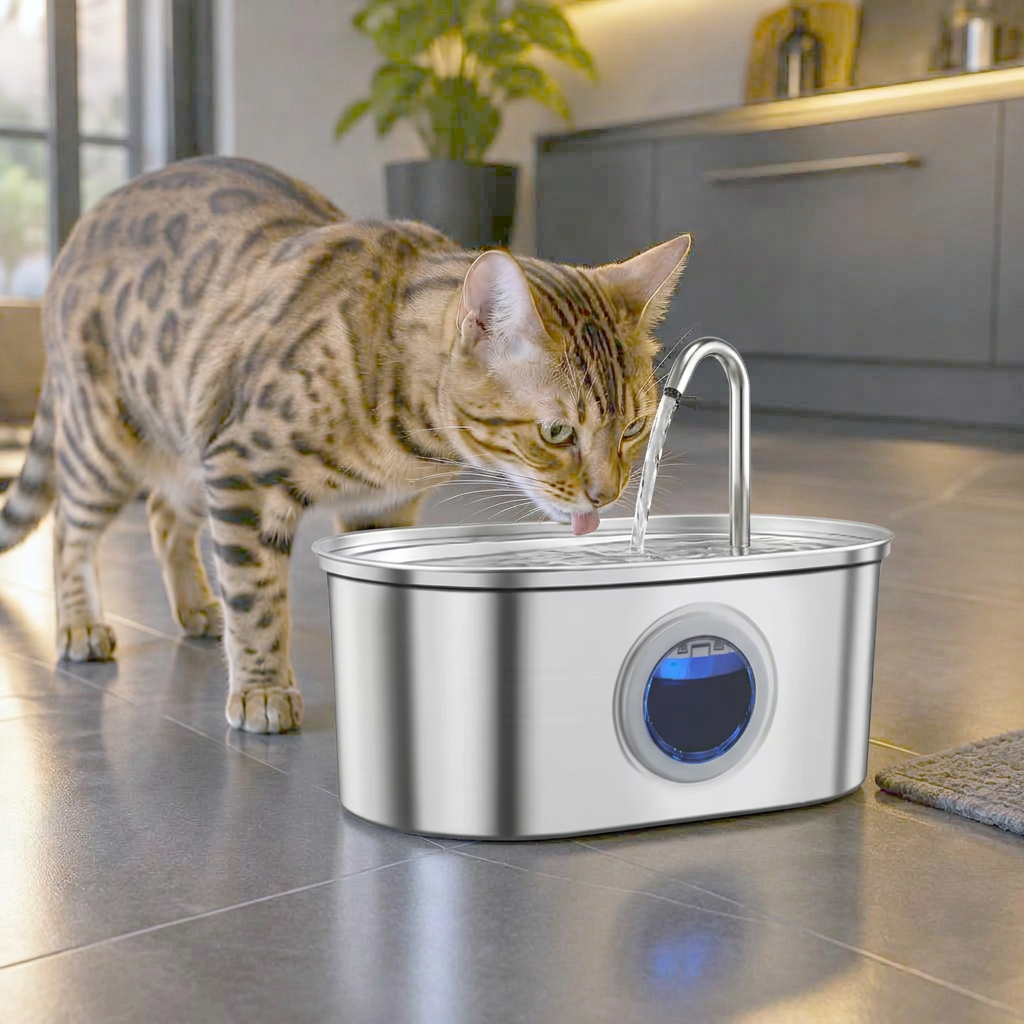
A pet fountain can make managing these heightened fluid needs much easier thanks to its generous reservoir, but it never replaces a proper veterinary diagnosis.
If you wish to provide moving water, the Veyrulis fountain combines a 3.2-liter SUS 304 stainless steel reservoir, filtration that captures hair and impurities, quiet operation, and an illuminated window to monitor the water level. It does not replace an appropriate diet or advice from your veterinarian.
Sources and further reading
This advice is for information only and does not replace your veterinarian's opinion.