
Cat Dehydration: Symptoms, Causes, and When to See a Vet
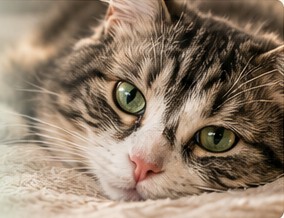
Cats naturally have a low thirst drive, which can make dehydration hard to detect. However, significant fluid loss can quickly turn dangerous, especially in kittens, senior cats, or felines with an underlying illness. Knowing the symptoms of cat dehydration allows you to act promptly and contact your veterinarian at the right time. Here are the warning signs to monitor, common causes, and mistakes to avoid. This guide focuses on recognizable physical signs; a cat that completely refuses to drink requires urgent veterinary care.
What Is Dehydration in Cats?
Dehydration occurs when a cat loses more water than it takes in. Water is essential for proper kidney function, healthy blood circulation, body temperature regulation, and normal digestion.
In cats, dehydration is rarely an isolated illness. Instead, it is usually the result of an underlying health problem, such as vomiting, diarrhea, high fever, kidney disease, or feline diabetes.
It can also develop when a cat cannot reach drinking water, such as being trapped in a room or outdoor shed, or during spells of extreme summer heat.
The greater the fluid deficit, the more hazardous it becomes. Severe dehydration is a critical veterinary emergency that requires professional medical intervention.
Recognizing Cat Dehydration Symptoms
Early signs are often subtle: a cat may become less active, sleep more, eat less, or simply seem out of sorts. Their gums may feel dry or sticky to the touch, whereas healthy gums should always feel moist.
The skin tent test is a widely used check: gently lift the skin between the shoulder blades and let it go. In a well-hydrated cat, the skin snaps back instantly. If it retracts slowly, dehydration may be present. This test is less dependable in older or very lean cats with reduced skin elasticity.
Additional signs may develop as fluid levels drop: eyes that look sunken, infrequent or dark and concentrated urine, dry stools leading to constipation, and noticeably rapid breathing.
Severe lethargy, cold paws, pale gums, or a cat that collapses and cannot stand up are alarming signs. These symptoms signal advanced dehydration and require an immediate veterinary visit.
Common Causes of Fluid Loss
Stress is a frequent contributor: a cat that has just moved home, experienced conflict with another pet, or stayed at a veterinary clinic may eat and drink far less for several days. This behavior needs close supervision, as it can cause fluid deficits without any other visible symptoms.
Gastrointestinal fluid losses from vomiting and diarrhea are classic causes. These losses are especially concerning if they last for more than twenty-four hours or affect a young kitten.
Certain chronic illnesses, particularly chronic kidney disease, diabetes, or hyperthyroidism, increase water loss through frequent urination. Affected cats often drink more water, but not always enough to fully balance what their bodies eliminate.
Fever, heatstroke, accidental confinement without water, or an entirely dry kibble diet in a cat that rarely drinks from a bowl can also lead to chronic water deficiency.
Cats at Higher Risk of Dehydration
Long-haired cats and flat-faced breeds, such as Persians, generally cope poorly with high temperatures. During heatwaves, they need reliable access to cool resting areas and multiple fresh water bowls, along with more frequent observation than usual.
Kittens become dehydrated very rapidly because their body reserves are small. A kitten suffering from vomiting or diarrhea should be examined promptly by a veterinarian rather than waiting to see if it improves.
Senior cats are equally vulnerable: their perception of thirst decreases with age, and they suffer more often from kidney or hormonal conditions that compromise hydration.
Finally, cats living with chronic illnesses or those recovering from recent surgery require vigilant monitoring of their daily fluid intake to prevent sudden complications.
What to Do If You Suspect Dehydration
Offer fresh, clean water in a bowl placed in a quiet spot. If your cat drinks willingly and shows no other concerning symptoms, monitor them closely over the next few hours.
If signs persist, or if your cat refuses to drink, vomits, has diarrhea, or appears weak and lethargic, call your veterinarian. Only an in-person examination can evaluate the degree of dehydration and pinpoint its root cause.
Never force your cat to swallow water using a syringe without explicit veterinary guidance, as fluid can easily enter the lungs. In addition, never give your pet any human medications.
Preventing Dehydration in Daily Life
To understand your cat's routine, occasionally track how much water they consume over a twenty-four-hour period. Knowing their baseline intake makes it much easier to detect changes, whether an increase or a decrease, and share precise details with your veterinarian.
Provide multiple clean water stations around your home, positioned well away from litter boxes. Change the water every day. For a cat that drinks sparingly, incorporating wet food into their daily meals significantly increases fluid intake.
Many cats are naturally drawn to running water: a well-maintained pet fountain can stimulate their interest and encourage them to drink far more regularly throughout the day.
Finally, an annual veterinary checkup, or more frequent visits for older cats, allows early detection of underlying medical conditions that could otherwise lead to dehydration.
If you want to provide running water, the Veyrulis fountain features a 3.2-liter SUS 304 stainless steel tank, filtration that catches hair and impurities, quiet operation, and an illuminated window to monitor the water level. It does not replace a suitable diet or advice from your veterinarian.
Sources and further reading
- Cornell Feline Health Center — Hydration (besoins en eau, signes et causes de déshydratation)
- International Cat Care — Encouraging your cat to drink: a guide for caregivers (PDF)
This advice is for information only and does not replace your veterinarian's opinion.