
How Much Water Should a Cat Drink a Day? Simple, Reliable Benchmarks
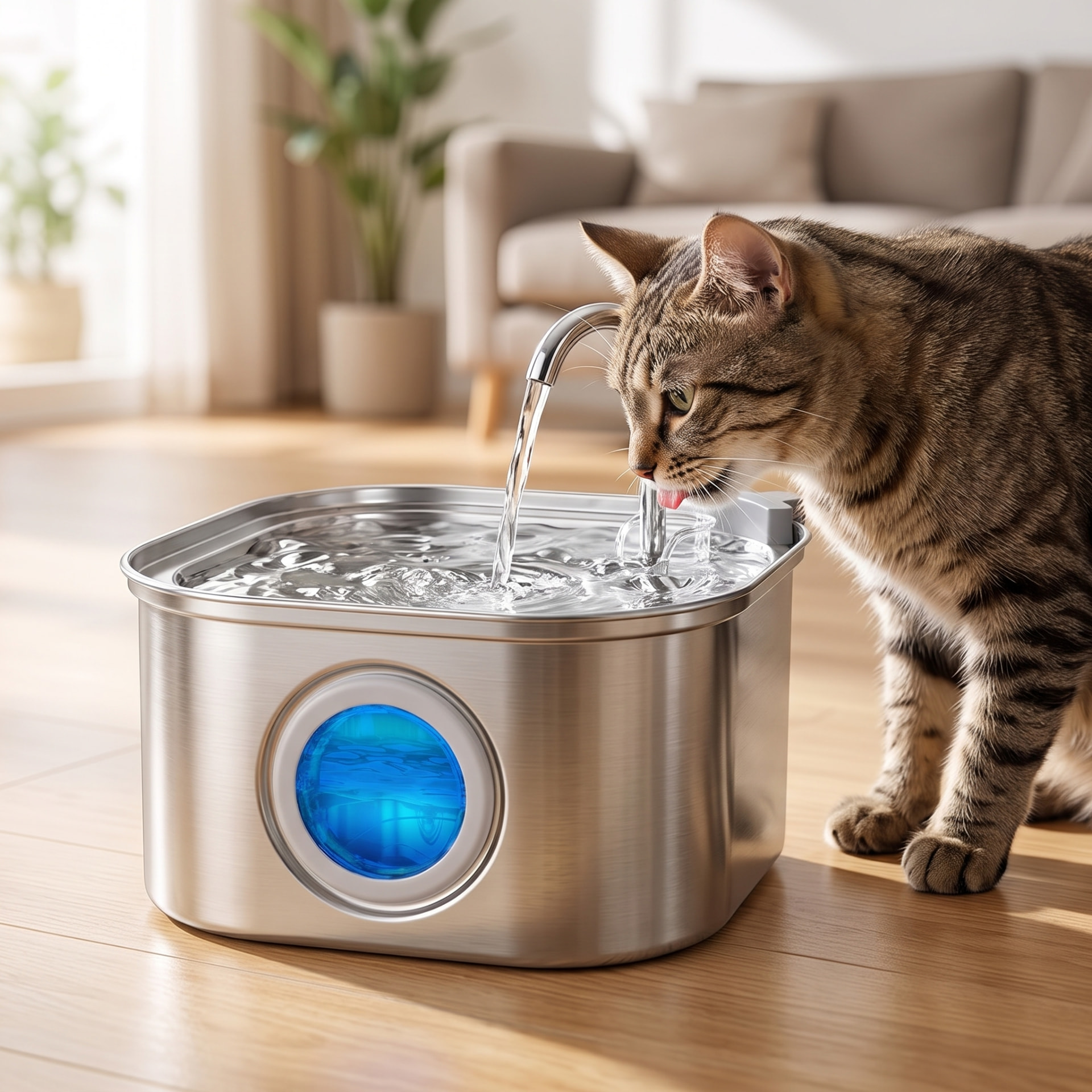
How much water should a cat drink a day? This question frequently crosses a cat owner's mind, particularly because cats drink discreetly and their water bowls often look untouched. While there is no single magical number for every feline, reliable veterinary benchmarks allow you to assess normal hydration needs and spot unusual shifts in behavior early. Here is how to think about your cat's hydration simply, without complicated math. We outline baseline quantities here, while tracking methods are explored below.
The Standard Guideline: Around 50 ml per Kilogram Daily
Veterinary sources generally cite a total daily water requirement of approximately 40 to 60 ml per kilogram of body weight, commonly rounded to 50 ml per kilo. For a typical adult cat weighing four kilograms, that represents roughly 200 ml of water per day, or about the capacity of an ordinary drinking glass.
Keep in mind that this figure reflects total fluid intake, not solely what your cat laps up from a bowl. It includes moisture contained directly within food. This explains why two cats of identical weight can drink noticeably different amounts from their bowls while both remaining perfectly hydrated.
This baseline remains a broad average rather than a strict rule. Factors like age, activity level, room temperature, pregnancy, nursing, or health issues naturally influence daily requirements. Use this reference point as a helpful guide rather than a rigid target you must achieve.
Wet Food versus Dry Kibble: A Huge Hydration Difference
Commercial wet food typically contains between 70% and 80% water, compared to roughly 10% in dry kibble. Consequently, a cat fed primarily on wet food meets a major portion of fluid needs at mealtime and naturally drinks very little from a water dish. This behavior is normal and not a cause for concern.
In contrast, a cat on an exclusively dry kibble diet must obtain almost all daily water from a bowl or fountain. Because domestic cats descended from desert ancestors, they possess a weak thirst drive and rarely compensate completely. For cats eating dry food, encouraging frequent drinking is especially important.
Introducing mixed feeding with a daily portion of wet food is a widely recommended strategy to boost overall water intake naturally. However, any adjustment to your companion's diet should be carried out gradually over several days, ideally with advice from your veterinarian.
How to Accurately Estimate What Your Cat Drinks
The most straightforward approach is to measure intake directly. Fill a clean bowl or fountain with a known quantity of water using a measuring cup, then check the remaining amount twenty-four hours later. Remember to factor in evaporation by placing an identical, inaccessible bowl with the same volume beside it.
Repeat this simple measurement over several days to establish a dependable average. If multiple pets share the same water dishes, measuring exact amounts becomes less reliable; in multi-pet homes, observing individual daily habits and drinking frequencies will give you clearer, more meaningful insight.
The litter box also provides essential clues regarding your cat's hydration status. Consistent urination with clumps of typical size is generally a reassuring sign. On the other hand, clumps that suddenly become much larger, far more numerous, or unusually tiny and infrequent deserve careful attention.
Key Warning Signs That Require Veterinary Attention
A cat that suddenly begins drinking noticeably more water than usual should be seen by a veterinarian promptly. Increased thirst can accompany various serious medical conditions, including chronic kidney disease, diabetes, or thyroid problems, which only a veterinary examination and diagnostic testing can properly identify.
Conversely, a cat that barely drinks, eats less, appears lethargic, or has neck skin that snaps back slowly when gently pinched may be dehydrated. Frequent visits to the litter box with little urine, straining, or crying while urinating is an urgent emergency, particularly in male cats.
In any of these situations, do not attempt to manage the issue on your own; contact your veterinarian without delay. The benchmarks outlined in this guide are intended to help you observe normal routines, not to diagnose or treat health conditions independently.
Practical Ways to Help Your Cat Drink Enough
Set up multiple fresh water stations around your home, placing them well away from litter boxes and slightly separated from food bowls. Many felines prefer drinking in peaceful, low-traffic areas where they can survey their surroundings comfortably without feeling trapped or startled.
Change standing water daily and wash bowls regularly, because accumulated dust or lingering dish soap odors can easily deter a finicky cat. A wide, shallow dish that prevents sensitive whiskers from brushing against the sides is often preferred over deep, narrow containers.
In addition, many cats are instinctively drawn to moving water. A dripping tap, a pitcher being poured, or a pet fountain can capture their natural curiosity, encouraging them to return and drink small amounts repeatedly throughout the day, just as they would in nature.
Adding a portion of wet food remains one of the simplest ways to boost overall fluid consumption. Transition slowly over one to two weeks, and consult your veterinarian beforehand if your companion is following a specialized medical diet.
If you are looking for a simple way to offer running water, the Veyrulis fountain was designed for this purpose: a 3.2-liter SUS 304 stainless steel reservoir, filtration that captures hair and impurities, quiet operation, and an illuminated window to check the water level at a glance. It does not replace a suitable diet or advice from your veterinarian, but it can make the drinking area more appealing on a daily basis.
Sources and further reading
- Cornell Feline Health Center — Hydration (besoins en eau, signes et causes de déshydratation)
- International Cat Care — Encouraging your cat to drink: a guide for caregivers (PDF)
This advice is for information only and does not replace your veterinarian's opinion.