
Cat Drinking Plant Water or Puddles: What Are the Risks?
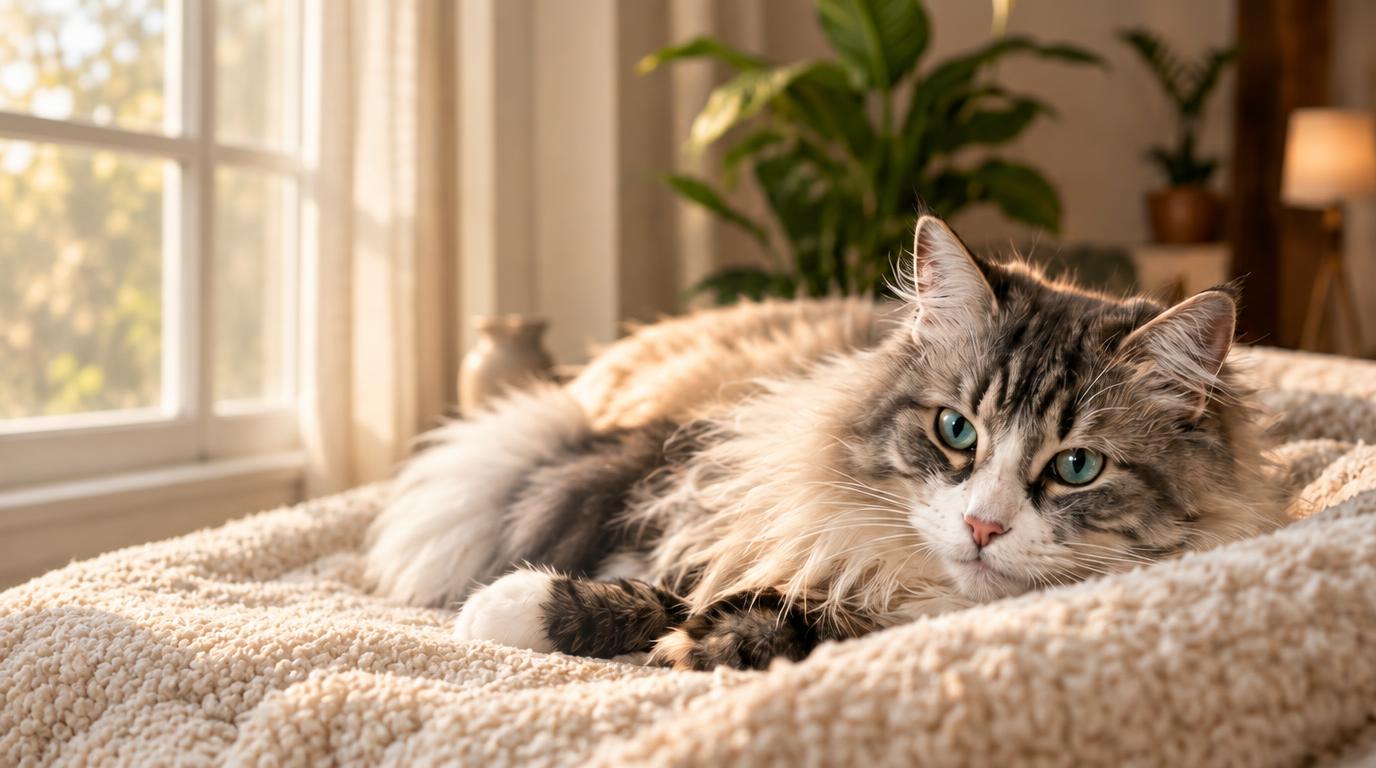
Does your cat ignore their water bowl only to drink from flower vases, plant saucers, or garden puddles? This common feline behavior has clear causes, but it carries real hazards, including poisonous flowers, chemical fertilizers, pesticides, and sweet antifreeze. Here is what you need to know to protect your pet.
Why Cats Are Drawn to This Water
Watching where your cat drinks reveals what they want, whether that is cooler water, height, or peaceful surroundings. You can then recreate those exact conditions using clean, safe indoor water.
Cats are instinctively drawn to water with an unusual smell, taste, or temperature. Rainwater and puddles often lack the strong chlorine odor of tap water, making them remarkably appealing to felines.
A flower vase or plant saucer offers a broad opening that prevents whisker stress. These containers also sit in attractive locations your cat frequents, such as high tables or sunny windowsills.
Outdoors, lapping from puddles, garden ponds, or watering cans is a natural part of feline exploration. Curious cats instinctively investigate and sample liquid sources they encounter while patrolling their outdoor territory.
Preferring outdoor or plant water can also mean their regular indoor dish is unappealing. Bowls placed too close to litter boxes, left unwashed, or filled with stale water drive cats elsewhere.
The Dangers of Vases and Cut Flowers
Water in cut flower arrangements readily absorbs substances released by plant stems. Lilies are especially lethal: every part of the plant, including pollen and vase water, can trigger acute kidney failure in cats, according to veterinary poison control centers.
Many other popular houseplants and floral arrangements possess varying degrees of toxicity. Furthermore, commercial cut flower preservative packets dissolved in the water contain chemical compounds that can severely irritate your cat's digestive system.
If you live with a cat, completely ban all lilies from your home. Always check the toxicity profile of any new bouquet or potted houseplant before bringing it through your front door.
If you suspect your cat drank from a vase holding poisonous flowers, contact your veterinarian immediately for guidance, even if your pet seems perfectly healthy and shows no early signs of distress.
Fertilizers, Pesticides, and Pot Saucers
Keep houseplants out of reach or in closed rooms if your cat chews foliage. Provide safe cat grass instead, grown in a standalone container with an empty saucer beneath it.
Stagnant runoff in plant saucers can concentrate chemical fertilizers, pest treatments, and potting soil residues. Ingesting this drainage water can cause severe digestive irritation or toxic poisoning in curious cats.
Empty drainage saucers promptly after watering, or use closed decorative outer pots without exposed trays. Always store all liquid plant feeds, soil amendments, and gardening supplies securely out of feline reach.
Choose natural garden care products whenever possible and read labels attentively. Certain common pest treatments, such as toxic slug pellets, represent an immediate and fatal poisoning risk to domestic pets.
The Serious Hazards of Outdoor Puddles
If you service cars at home, immediately clean up any coolant spills in your garage or driveway. Store all automotive fluids and chemical jugs tightly closed on high, secure shelves.
Keep garden ponds and rainwater collection barrels securely covered. This prevents inquisitive kittens from drowning and stops adult cats from being tempted to drink dirty, stagnant water from open containers.
Street and garden puddles often collect motor oil, pesticide residues, patio cleaners, and dripped vehicle antifreeze. Antifreeze typically contains sweet-tasting ethylene glycol, which is extraordinarily poisonous to cats even in tiny amounts.
Ethylene glycol ingestion is a critical medical emergency causing uncoordinated walking, vomiting, and profound weakness. Contact an emergency veterinarian immediately if you suspect your cat has swallowed any quantity of antifreeze.
In addition to synthetic chemical runoff, stagnant outdoor puddles easily transmit harmful intestinal parasites and infectious bacterial pathogens that can trigger severe gastrointestinal disease in drinking pets.
Providing Better Hydration Alternatives
Regularly empty outdoor watering cans, buckets, and garden containers, which collect murky rainwater and create tempting yet unsanitary drinking spots for neighborhood felines roaming through your yard.
Set up multiple clean water dishes indoors in quiet areas well away from litter boxes. Refresh the water daily and choose wide bowls made of stainless steel, ceramic, or glass.
If your cat spends time outdoors, place a bowl of fresh, clean water in a shaded garden corner, and change it regularly so they avoid seeking dirty puddles.
Many cats strongly prefer moving water over still bowls. A well-maintained pet fountain can make indoor drinking far more enticing than stagnant plant saucers or dirty puddles outside.
Warning Signs That Require Veterinary Care
Keep emergency phone numbers for your primary veterinarian and an animal poison control service readily accessible, such as saved in your mobile phone contacts for quick dialing during an unexpected crisis.
Vomiting, excessive drooling, sudden lethargy, an abnormal gait, loss of appetite, or altered urination after drinking suspicious water should prompt an immediate veterinary examination for your pet.
If possible, bring the specific name or a photograph of the suspect plant or chemical product with you. This vital information helps your veterinarian identify the toxin and act quickly.
Finally, if your cat suddenly starts hunting for water everywhere in an unusual manner, their thirst may have increased significantly, which warrants a prompt and thorough veterinary health check.
If you want to offer moving water, the Veyrulis fountain features a 3.2-liter SUS 304 stainless steel reservoir, filtration that captures hair and impurities, quiet operation, and an illuminated window to monitor the water level. It does not replace an appropriate diet or veterinary advice.