
Are Cat Water Fountains Dangerous? Real Risks and How to Prevent Them
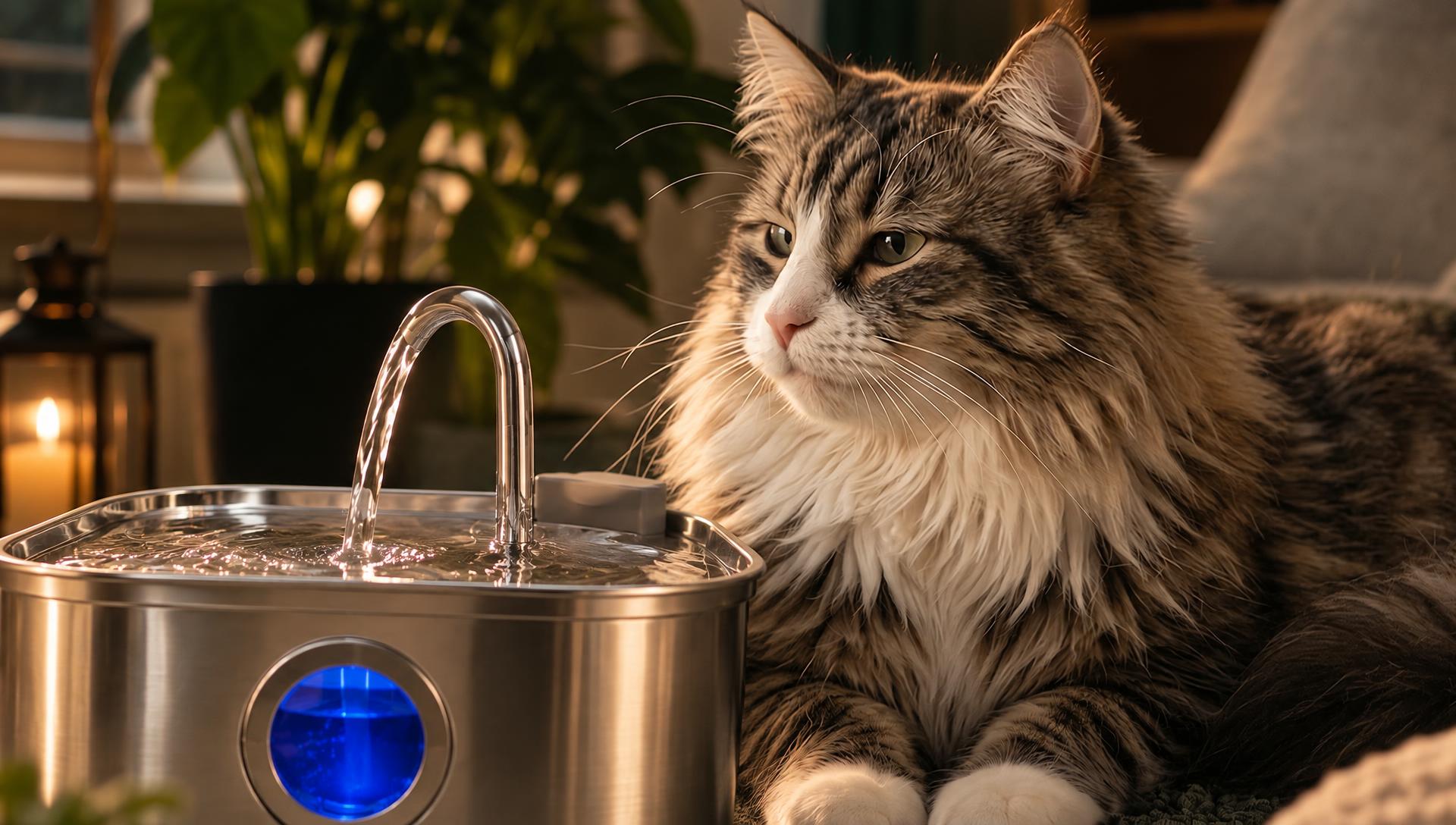
Are cat water fountains dangerous? It is an entirely valid question: an electrical appliance filled with water and used by a curious pet naturally raises reasonable concerns. When carefully chosen and properly maintained, an electric fountain is a dependable, safe accessory used in millions of homes worldwide. Nevertheless, a few genuine risks exist, and understanding them is the easiest way to prevent complications and keep your cat healthy.
Electrical Hazards and Cord Safety
If your pet fountain operates with an external transformer or wall adapter, position it high enough to stay out of reach of water splashes, never resting on the floor beside the reservoir. Avoid placing extension cords or multi-socket strips on the floor near the water supply. It is far safer to plug into a nearby wall socket, ideally protected by a childproof outlet cover.
Cat drinking fountains are specifically engineered to function around water, usually powered by low-voltage submersible pumps. Always choose a model sold by reputable retailers that complies with official safety standards, such as certified CE markings, and use only the specific power adapter provided in the box.
The power cable remains the primary physical vulnerability. Cats, especially young or energetic ones that chew on loose cords, can face genuine hazards. Route the wire flat along walls, encase it within a protective cord protector if needed, and inspect it regularly. Replace any worn or frayed cable without delay.
Always unplug the fountain from the electrical outlet before wiping it down, disassembling the components, or handling the submerged pump.
Bacteria and Biofilm: The Real Hazard
Biofilm is easily recognized by touch: a slippery, slimy layer that coats the walls of the basin or the pump body. In some cases, a light pinkish buildup forms in hidden crevices. While this is no reason to panic, it is a clear warning sign that a thorough cleaning with brushes is necessary.
Any water left standing or circulating will eventually develop biofilm, a microscopic slimy layer where environmental bacteria thrive. This natural biological process occurs in recirculating pet fountains just as routinely as it does in standard water dishes.
The real danger comes from neglected maintenance: rarely refreshing the water, allowing filters to clog, or leaving the pump unwashed. To maintain hygiene, replace the water every two to three days, wash every component thoroughly once a week, and change the filter cartridges according to the manufacturer guidelines.
A properly cleaned fountain poses no greater bacterial risk than a traditional bowl. If neglected, however, it can become far worse simply because owners mistakenly assume circulating water stays clean on its own.
The Risk of Water Shortages
A frequently overlooked hazard is silent mechanical failure. If the motor stops working or the reservoir runs dry, cats accustomed to running water might refuse to drink from stagnant surfaces. Make a habit of checking daily that water circulates smoothly and that the level remains adequate.
Keep a traditional water bowl in another room as a backup. This simple precaution guarantees your cat always has drinking water if the fountain malfunctions, and it provides an alternative source while the appliance is taken apart for cleaning.
Before leaving home for several days, never depend solely on an automated fountain. Always arrange for a friend, neighbor, or pet sitter to visit and verify that the pump is running properly.
Cleaning Products to Avoid
Never clean a pet fountain with pure bleach, fragranced detergents, or harsh disinfectant sprays. Chemical residues can linger on the surfaces, causing oral irritation and discouraging your cat from drinking altogether. A gentle, unscented dish soap followed by abundant rinsing with warm water is all you need.
Do not add essential oils, scented drops, or chemical purifiers to the reservoir. As veterinary poison control centers regularly point out, numerous essential oils are toxic to cats even in microscopic concentrations.
To clear limescale and hard water buildup from the pump and spout, diluted white vinegar works very effectively, provided you rinse all parts thoroughly with clean water before plugging the fountain back in.
Daily Best Practices for Fountain Care
Choose a stable model that dismantles easily and uses accessible replacement filters. Set it up on a level surface away from the litter tray, safely sheltered from direct sunlight which can encourage algae.
Keep an eye on your cat's drinking routine. If they drink less after the fountain is introduced, bring back their old bowl and let them adapt gradually. If their water consumption increases or decreases dramatically without an obvious explanation, consult your veterinarian.
By following these straightforward habits, your fountain remains what it was designed to be: a convenient, reliable tool for providing clean, appealing water every single day.
Special Cases: Kittens, Dogs, and Older Cats
Kittens are exceptionally curious and energetic. They may chew on dangling cables, tip over lightweight plastic units, or try to climb onto the spout. For young felines, pick a heavy, broad-based model, enclose cords in protective tubing, and supervise them during their first few days of use.
If a dog shares your living space, verify that the fountain is sturdy enough to withstand enthusiastic nudging and keep the power cord out of reach of their teeth. Dogs also drink considerably faster, so inspect and refill the reservoir more often.
Senior cats and those with chronic medical conditions, especially kidney disease, depend heavily on steady hydration. For these vulnerable pets, an unnoticed pump breakdown can lead to serious complications. Always provide a traditional bowl alongside the fountain, check the flow daily, and contact your vet if their drinking habits shift.
If you want to offer moving water, the Veyrulis fountain features a 3.2-liter SUS 304 stainless steel reservoir, filtration that traps hair and impurities, quiet operation, and an illuminated window to monitor the water level. It does not replace an appropriate diet or professional veterinary advice.