
Pink or Slimy Residue in Cat Water Fountain: What to Do
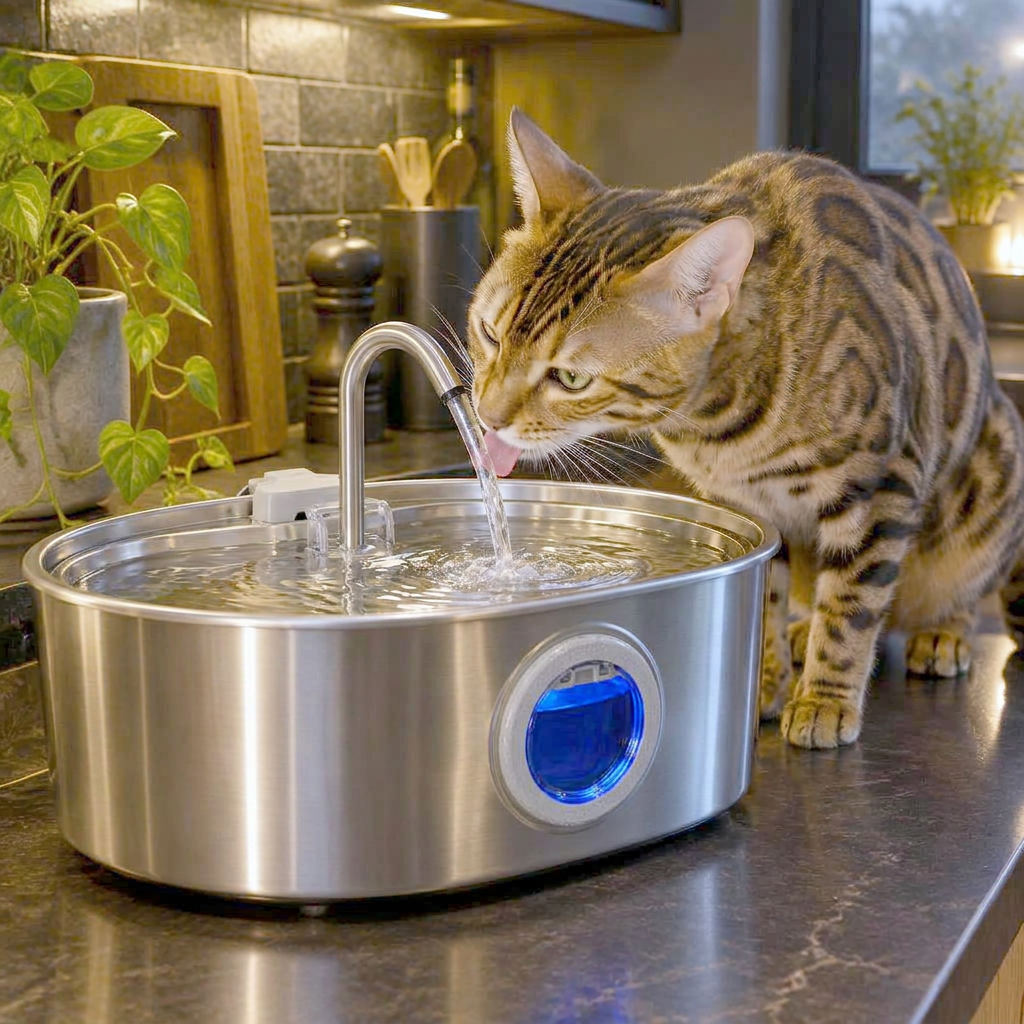
Have you run your finger along the basin of your cat fountain and felt a slippery film, or noticed pink marks around the pump? This pink or slimy buildup inside a cat water fountain is very common. In most cases, it is biofilm, a colony of microorganisms that clings to moist surfaces. The good news is that you can eliminate it easily with an appropriate cleaning routine.
What Exactly Is Biofilm?
It can form in just a few days, even inside an otherwise clean fountain. That is why routine maintenance is so essential. You cannot permanently stop microorganisms from appearing in a moist setting, but regular care prevents them from establishing a lasting foothold and thickening over time.
Biofilm is a thin layer formed by bacteria and other ambient microbes that stick together on surfaces exposed to water. To protect themselves, these tiny organisms secrete a gel-like substance. This matrix gives the buildup its distinctively slick, greasy feel whenever you touch the fountain walls.
Biofilm thrives wherever water stands or circulates, including pet bowls, pet fountains, kitchen sinks, and shower heads. In your cat fountain, it feeds on organic debris. Saliva from your cat, stray food particles, and drifting dust provide steady nourishment for these microbial colonies to grow.
The pink or orange tint you sometimes see is typically caused by pigmented bacteria commonly found in household environments, such as bathroom tile grout. These airborne microbes flourish in damp spots and use traces of minerals and organic matter in water to build visible colonies.
Is Biofilm Dangerous for Cats?
A tiny amount of biofilm naturally begins to develop between regular cleanings, and its early presence does not mean your pet will suddenly become ill. However, a thick slimy layer, murky water, or an unpleasant smell indicates that the fountain no longer meets acceptable hygienic standards.
Deteriorating water quality can also discourage your cat from drinking altogether. Because felines naturally possess a very low thirst drive, refusing to drink from an unappealing water source can quickly lead to chronic dehydration and affect their overall health.
If your cat shows digestive upset, a sudden loss of appetite, or skin bumps on the chin, consult your veterinarian right away instead of assuming the fountain is the only underlying cause.
Why Slime Develops in Pet Fountains
A pet fountain combines several conditions that encourage bacterial colonization. Room-temperature water, hard-to-reach corners, and internal pump pathways where water constantly flows provide ideal shelter. The longer water sits, the more time biofilm has to anchor itself firmly to surfaces.
Microscopic scratches, which occur easily on older plastic bowls, create tiny crevices where organisms latch on securely. Positioning the fountain in a warm spot or under direct sunlight also warms the water, accelerating the rate at which microbial colonies spread across submerged components.
Finally, an old or saturated filter cannot perform its job properly. When clogged with fur and debris, it allows particles to circulate freely in the basin, providing extra nutrients that feed the growing biofilm.
An Effective Cleaning Method
Keep a dedicated cleaning brush set aside exclusively for the fountain so you never transfer dish soap residue, food grease, or household cleaners. Replace it whenever the bristles fray. Having a dedicated tool ready makes your weekly cleaning routine faster and considerably more effective.
Always unplug the fountain, pour out the remaining water, and take apart every piece completely. Disassemble the basin, lid, spout, pump, and pump cover. Biofilm typically hides inside tight corners, narrow water conduits, and within the pump impeller chamber.
Wash each component in warm water with mild soap, scrubbing thoroughly with a suitable brush. Use a bottle brush for the reservoir and a small brush or cotton swab for the pump and spout. Firm scrubbing is essential, as sticky biofilm resists simple rinsing.
Rinse all parts thoroughly under running water, let them air-dry if possible, and reassemble the unit with clean water. Replace the filter cartridge if it has reached the end of its lifespan or looks visibly soiled.
How to Prevent It from Returning
If you plan to be away for a few days, clean the fountain right before leaving and again immediately upon your return. Biofilm establishes itself fastest during uninterrupted periods without routine care, particularly throughout the warmer summer months.
Refresh the water every two to three days and carry out a full teardown and deep clean once a week. Maintaining this regular schedule is generally sufficient to stop biofilm from gaining traction and growing into a thick layer.
Set the fountain up away from direct sunlight and household heat sources. It is equally important to position it away from food bowls, which prevents dry kibble crumbs and wet food splatters from dropping into the reservoir.
If you are using an older plastic model covered in scratches, consider replacing it. Non-porous surfaces like stainless steel or glazed ceramic have fewer microscopic flaws, making it much harder for sticky residues to take hold.
Common Mistakes to Avoid
Never add bleach, harsh disinfectants, or essential oils to your cat's drinking water. These products can be irritating or toxic to felines. If you periodically sanitize individual parts, adhere strictly to manufacturer instructions and rinse every component thoroughly before reassembly.
Do not settle for a quick rinse with cold water, as biofilm will simply return within days. Furthermore, never leave a dirty fountain out of service without providing your pet with another clean source of hydration.
While cleaning the fountain, set out a clean bowl filled with fresh water nearby so your cat never experiences a disruption in their access to hydration.
If you wish to provide moving water, the Veyrulis fountain features a 3.2-liter SUS 304 stainless steel reservoir, filtration that traps hair and impurities, quiet operation, and a lighted window to monitor the water level. It does not replace a suitable diet or the advice of your veterinarian.