
Choosing the type of cat litter: the criteria that matter
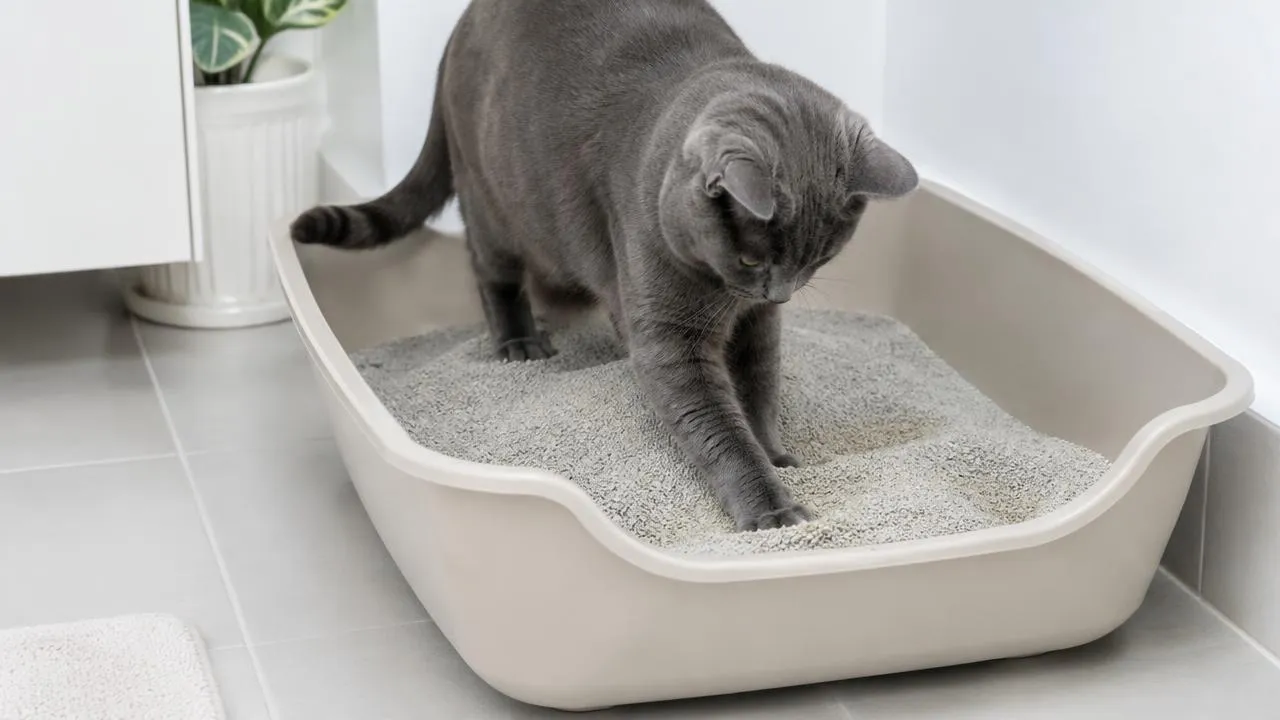
Choosing the type of cat litter is more than comparing words on packaging. Material matters, but it exists within a container, at a specific location, with a cleaning routine and sometimes other users. AAFP/ISFM guidelines address these dimensions together. This guide offers a cat-centred decision method, without brand rankings or medical promises. The MSD Veterinary Manual additionally helps recognise situations where choice questions must not mask underlying health issues.
First define the characteristics of the substrate
AAFP/ISFM recommendations generally point towards a fine, sand-like, clumping and unscented litter, with at least three centimetres of depth. They specify, however, that this latter preference varies from one animal to another. Take this proposal as a coherent set of benchmarks rather than an obligation to change an existing setup without first observing how it is being used. Personal observation remains essential before making any major environmental modifications.
The text warns against the gap between commercial arguments and feline preferences. Mentions of natural, scented or multi-cat products might appeal to the owner without providing sufficient information on acceptance by their companion. Available sources do not distinguish between all materials based on cost or ecological impact. It is better to recognise this limit than to construct a ranking whose criteria would not be fully documented here in this guide.
Let behaviour participate in the decision
The guide proposes a preference test using several trays containing different materials and depths. This approach allows the cat to demonstrate a usage preference. Watch for repeating choices and note the options actually used, without taking your own satisfaction regarding touch or smell as the sole measure of the product's suitability for its recipient. Consistent use is the most reliable indicator of a successful match between the feline and substrate.
According to these same recommendations, perching on the edges while placing only one or two paws in the content may suggest an aversion to the material or dirt. This behaviour should not be dismissed as a simple whim. It invites an examination of the conditions provided, while keeping several possible explanations in mind: the observation of discomfort does not automatically designate a specific material as responsible for the issue observed by the owner.
Verify that the container is also suitable
Guidelines recommend a rectangular tray with a length corresponding to one and a half times that of the cat, from nose to tail base. They also insist on an easily accessible entrance. For an older animal or one with restricted movement, a low threshold can facilitate use. Even a preferred material does not correct a difficulty in entering or positioning. Dimensions and access are as vital as the chosen substrate.
Regarding lids, the guide reports shared preferences between large open and covered trays. It favours open trays where possible to facilitate observation and frequent waste removal. A small covered box can limit the posture of a large cat. Before rejecting the substrate after a disappointing trial, ask yourself if the available space and access have also been considered. Physical constraints often override the chemical or tactile properties of the litter.
Think about resources and their distribution
For a single-cat household, AAFP/ISFM advises two separate trays in different locations. With multiple cats, the historical benchmark of the number of cats plus one remains an indication, not an absolute requirement: social groups may require a different organisation. Juxtaposed trays are perceived as a single large installation, and not as truly distinct toileting areas. Spacing is crucial to ensure that each resource is viewed as independent and safe.
The document also asks to keep food and water away from toilets and to allow access without forced confrontation with another cat. High-traffic areas and noisy appliances can contribute to avoidance. These elements explain why simply changing granules is not always enough. The relevant choice concerns a resource usable as a whole, rather than just the contents of the bag considered in isolation. Environmental context determines the success of the chosen material.
Integrate maintenance and know when to seek advice
The chosen material does not remove the routine described by AAFP/ISFM: waste removed at least daily, topping up as needed, washing the tray every one to four weeks with hot water and soap. Strong chemicals and those containing ammonia are discouraged. As for scented litters and deodorisers, they may displease the cat and never replace regular monitoring. Hygiene remains the foundation of feline acceptance regardless of the specific substrate type.
If straining to urinate, frequent visits, blood in urine or urinating outside the tray occur, the MSD Veterinary Manual describes these as signs of lower urinary tract disease. Seek veterinary advice instead of only continuing substrate trials. Environmental management is part of the measures mentioned for idiopathic cystitis, but diagnosis requires excluding other causes and is not deduced from a litter preference. Physical health must be prioritised over environmental adjustments alone.
A proposal for a round connected automatic litter box is currently in preparation at Accessoires Chat; it is not for sale yet. Its price has not received validation and its image remains illustrative. Specifications are to be confirmed on the manual of the delivered model. Before retaining any information specific to this equipment, verify the details on the exact model manual. This product remains a draft and is not currently available.
Sources and further reading
- AAFP and ISFM Guidelines for diagnosing and solving house-soiling behavior in cats (Journal of Feline Medicine and Surgery, 2014)
- Manuel vétérinaire MSD — Lower Urinary Tract Disease in Cats
This advice is for information only and does not replace your veterinarian's opinion.