
Cat Not Drinking After Moving: Causes, Tips, and When to Worry
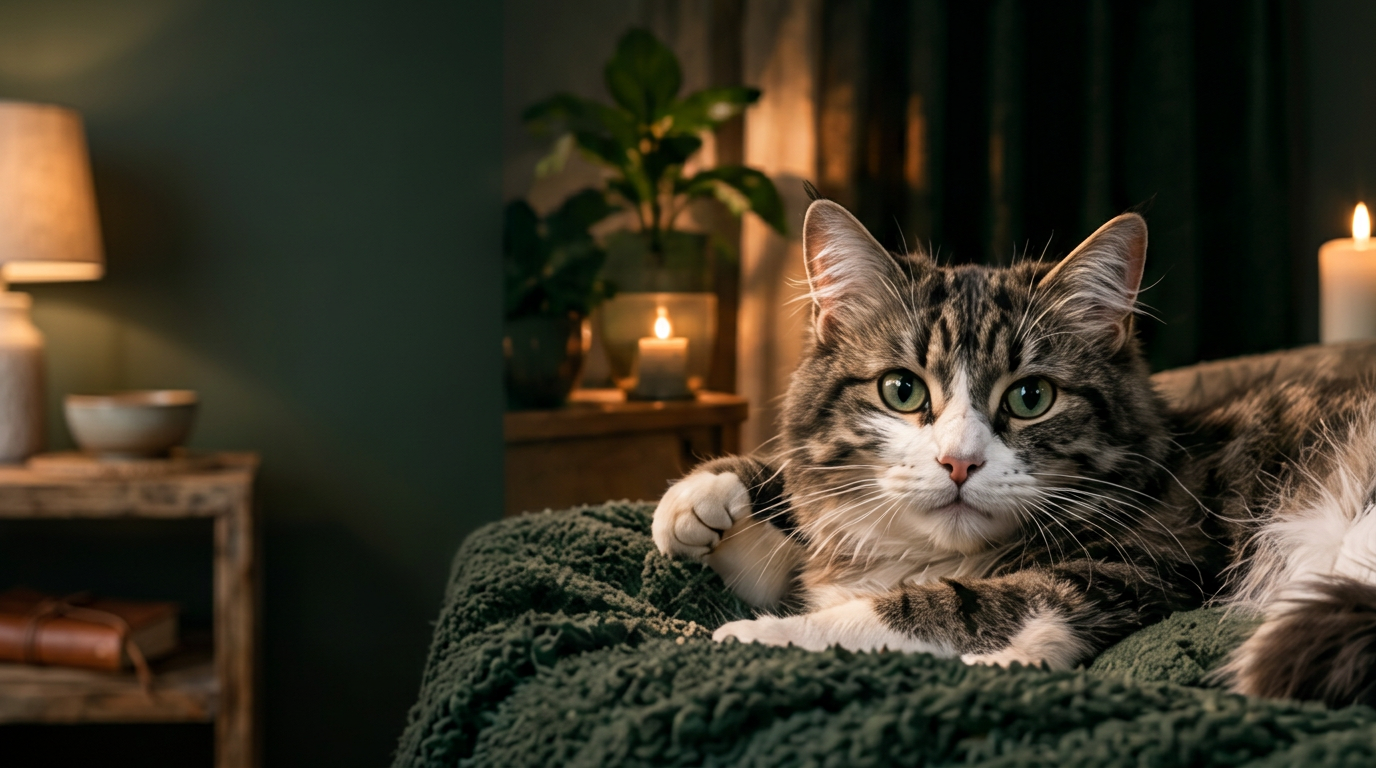
Moving to a new home is a major upheaval for any cat, as felines are deeply attached to their familiar territory. During the first few days, many cats hide, eat less, and drink very little water. If your cat stops drinking after a move, this reaction is not uncommon, but you must help them regain their bearings while monitoring their condition closely. Here is how to guide your companion through this transition safely.
Why Moving House Disrupts Your Cat
The scent of an unfamiliar property, often marked by fresh paint, cleaning products, or lingering traces from previous occupants and their pets, can disorient your cat. Airing out the rooms thoroughly before their arrival helps diminish these strange and intrusive odours.
Cats organise their daily lives around visual and scent markers. By changing homes, they abruptly lose their familiar scent trails, habitual pathways, and trusted hiding spots in a single moment.
This emotional stress can manifest as loss of appetite, reduced fluid intake, prolonged hiding, litter box accidents, or heightened restlessness throughout the new environment.
While some cats return to their normal habits within a few days, others need several weeks to feel entirely secure.
Stress is also a well-recognized contributing factor in feline lower urinary tract disease, including painful episodes of cystitis.
Preparing for the Move
If your cat becomes extremely anxious in vehicles or during major changes, speak with your veterinarian a few weeks ahead of time to discuss suitable calming solutions for the journey and arrival.
Get your cat used to their travel carrier a few weeks in advance by leaving it open with a familiar blanket placed inside.
On moving day, settle your cat in a quiet, closed room equipped with water, food, a litter box, and a hiding place, away from moving commotion.
Pack their bedding, scratching posts, and favourite items without washing them, as their familiar scent will bring instant comfort to the new home.
Be sure to carry fresh water for the trip if you have a long travel distance ahead.
The First Days in Your New Home
Spend quiet time in their room sitting on the floor without trying to touch them; your calm presence and voice will reassure them faster.
Start by keeping your cat in one single room with everything they need: litter, water, food, bedding, and secure hiding spots. Position water bowls well away from the litter tray.
Let them explore this initial room at their own pace, then gradually open access to the rest of the living space.
Keep their original bowls and provide the same type of water as before, since unfamiliar mineral tastes can easily deter a hesitant drinker.
Maintain your cat's usual feeding schedule to provide a comforting sense of routine amidst the unfamiliar surroundings.
Encouraging Your Cat to Drink
Place a fresh water source just a few steps from their hiding spot so a nervous cat can drink without feeling exposed, particularly at night when the house is quiet.
Change the water daily in a clean, wide bowl. Offer several drinking stations across the home as your cat begins venturing outside their safe room.
If your cat had a pet fountain before, set it up quickly, as moving water is a familiar and enticing cue for many cats.
Offer wet food if your cat normally eats it, as its high moisture content can partially offset a temporary dip in water consumption.
Never force your cat to drink or pull them out from their hiding spot; allow them to emerge on their own terms.
When to Worry
When in doubt, it is always far better to call your veterinary clinic too early rather than too late.
A cat that has not eaten anything for more than 24 hours must see a vet, as prolonged fasting can trigger hepatic lipidosis, a severe liver condition.
You should also consult a vet if your cat refuses all water, vomits, seems lethargic, or stays hidden without coming out for more than one to two days.
Frequent trips to the litter tray with little urine, blood in the urine, or urinating outside the box are clear red flags. A male cat unable to urinate is a critical veterinary emergency.
Identify the nearest veterinary clinic and emergency animal hospital right after moving so you are prepared if urgent medical care is required.
Supporting Long-Term Adaptation
Gently rub a soft cloth over your cat's cheeks and then wipe it along furniture corners to spread their natural scents and help them claim the new space.
Calming pheromone diffusers can help certain cats feel at home more quickly. Ask your veterinarian for tailored advice on effective options.
Engage in daily play sessions, maintain a predictable routine, and avoid introducing any other major household changes in the following weeks.
For outdoor cats, keep them safely indoors for several weeks until they fully recognize the interior of the new home as their secure territory.
Monitor their daily water intake over several days to confirm that hydration levels return to normal.
If you want to offer flowing water, the Veyrulis fountain features a 3.2-litre SUS 304 stainless steel tank, filtration that traps hair and impurities, quiet operation, and a luminous window to check the water level. It does not replace a suitable diet or advice from your veterinarian.
Sources and further reading
- International Cat Care — Encouraging your cat to drink: a guide for caregivers (PDF)
- Cornell Feline Health Center — Hydration (besoins en eau, signes et causes de déshydratation)
This advice is for information only and does not replace your veterinarian's opinion.