
Taking apart a cat tree: preparing for a house move
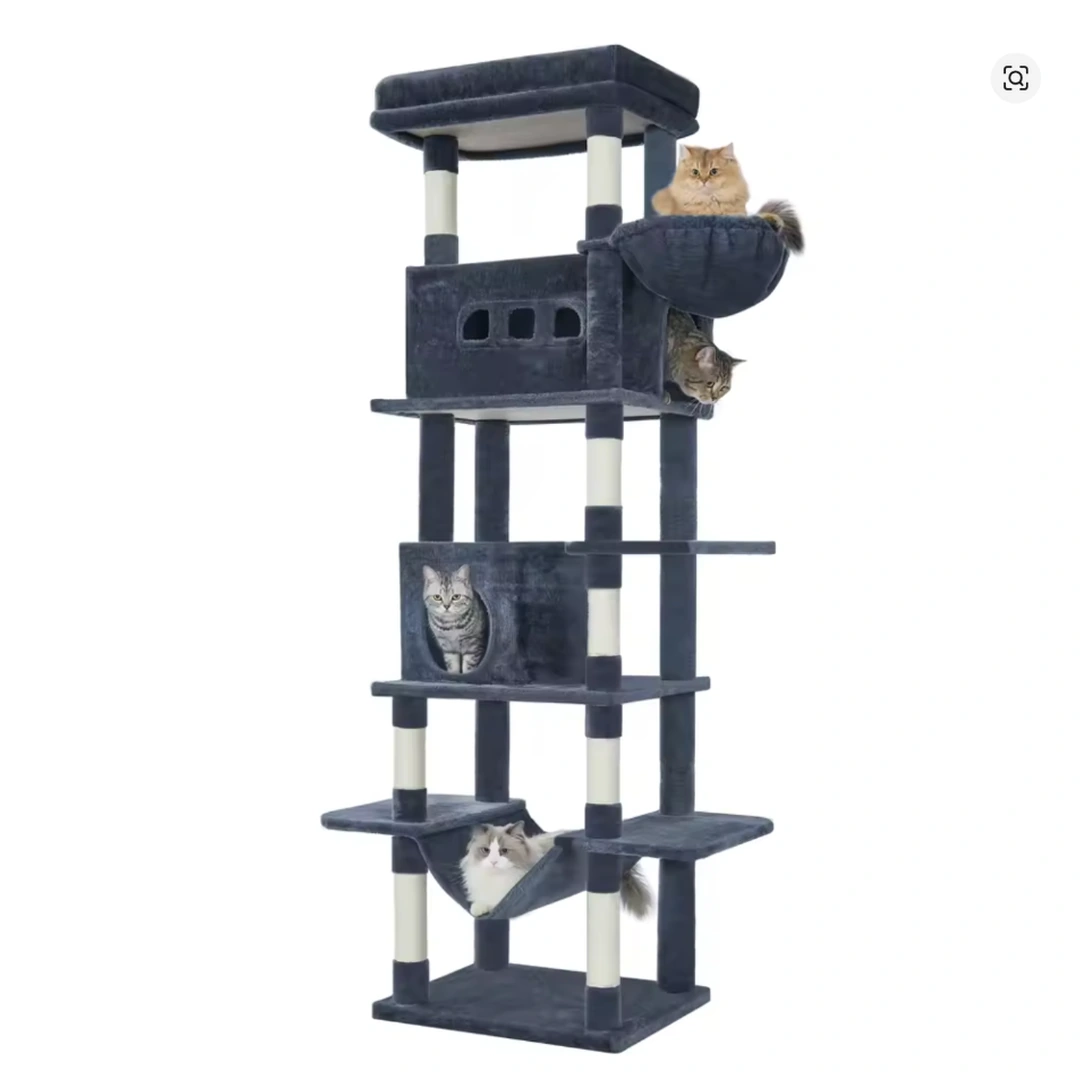
A cat tree carries more than platforms and posts: it also brings familiar reference points with it. If you are searching for how to take apart a cat tree before moving house, start by organising everything you will need to put it back together easily after the journey. The aim is not to dismantle absolutely everything, but to protect the components and keep a clear record of how they connect. The manufacturer's instructions remain the reference for every technical step, both before departure and after arrival.
Before taking apart a cat tree: document the whole structure
Photograph the tree while it is still in place, then photograph its different sides and visible connections. Take close-ups wherever several components meet: an overall picture does not always show which platform sits between two posts. Also note which way the openings face and where your cat's favourite resting places are positioned. These details will help you recreate a familiar arrangement without having to rebuild the whole thing from memory while surrounded by moving boxes.
Find the instructions for the exact model and keep a copy accessible throughout the move. Compare the diagrams with your photographs, particularly if the tree has previously been altered. Then give each part a simple identifying mark on a sketch. Put labels on the packaging rather than on surfaces your cat uses. If you still cannot understand a connection, ask the manufacturer before handling it: a concealed fixing must not be treated as something that simply slots together.
Organise a dismantling process that is easy to follow
Choose a time when your cat can stay in a quiet room, away from tools, with its usual resources. Prepare a clear working surface and resealable bags labelled to match your sketch. Follow the dismantling order given in the instructions; do not assume that working from top to bottom is always sufficient. If a component needs supporting while it is removed, arrange for another person to help where necessary, in accordance with the manufacturer's guidance.
Whenever you separate parts, photograph the newly exposed connection and immediately put its fixings into the corresponding bag. Keep similar-looking parts distinct rather than putting every screw into one box. Note any useful detail, such as which way a spacer faces, without improvising a correction. If a component resists, stop and check the instructions. Keep an assembly intact only if the manufacturer permits it and transporting it will not place strain on its connections.
Pack the parts according to where they belong
Group components by assembly rather than simply by their appearance. You should be able to match a platform with its bag of fixings immediately when opening the boxes. Protect edges and protruding parts individually with clean material, then prevent components from knocking against one another inside their container. Do not attach protective wrapping directly to sisal or fabric using adhesive that could leave a residue behind on those surfaces.
Write the furniture's name, the component references and any useful orientation information on each package. Put the instructions, photographs and sketch in an easily accessible folder. Keep the fixings in their own closed box rather than in a shared box of tools. During loading, avoid crushing resting areas beneath heavy objects or allowing posts to roll around. Any transport requirements specific to your model still need to be checked with the manufacturer.
Preserve familiar scents during the journey
The AAFP and ISFM guidelines on feline environmental needs (2013) highlight, among other things, the importance of hiding places, elevated perches, separate resources, scratching, familiar scents and respectful interactions. For this move, keep this point particularly in mind: a resting place your cat already knows can accompany the change of home. Avoid adding fragrance to components or automatically washing every textile just before you pack everything away for the journey.
If a removable cushion your cat regularly uses is clean and dry, keep it separately in clean packaging, away from strongly scented products. It can go into the settling-in room even before the tree is reassembled. Preserving a familiar scent does not, however, mean keeping soiled material or packing damp fabric. If parasites are present, consult a vet before transferring the affected components to your new home. This precaution takes priority over preserving every familiar scent.
Prepare for reinstallation as soon as you arrive
Arrange quick access to the cat tree's boxes, without expecting the furniture to be ready for your cat as soon as the vehicle is opened. In its secure settling-in room, offer familiar belongings first and leave it undisturbed while things are being moved. Then unpack the components in a separate space. Compare their condition with your departure photographs and locate each bag using the sketch; report any missing or damaged component to the manufacturer before use.
For reassembly and checks before use, follow only the instructions for your model. Do not allow your cat to explore an incomplete structure. Once everything is ready, return the textile you kept to its usual position wherever possible, then let your cat approach at its own pace without placing it up high. If you notice pain, limping, a fall or a change in behaviour, consult a vet rather than automatically attributing these signs to the move.
VEYRULIS is preparing a 210 cm tall, multi-level tower cat tree, a draft product not yet for sale on accessoireschat.com. Its price has not been approved, and its colour variant remains to be confirmed. To prepare for a future move, check the specifications and dismantling options in the instructions for the model actually delivered before attempting any work.
Sources and further reading
This advice is for information only and does not replace your veterinarian's opinion.