
Noisy Cat Water Fountain Pump: Common Causes and Easy Fixes
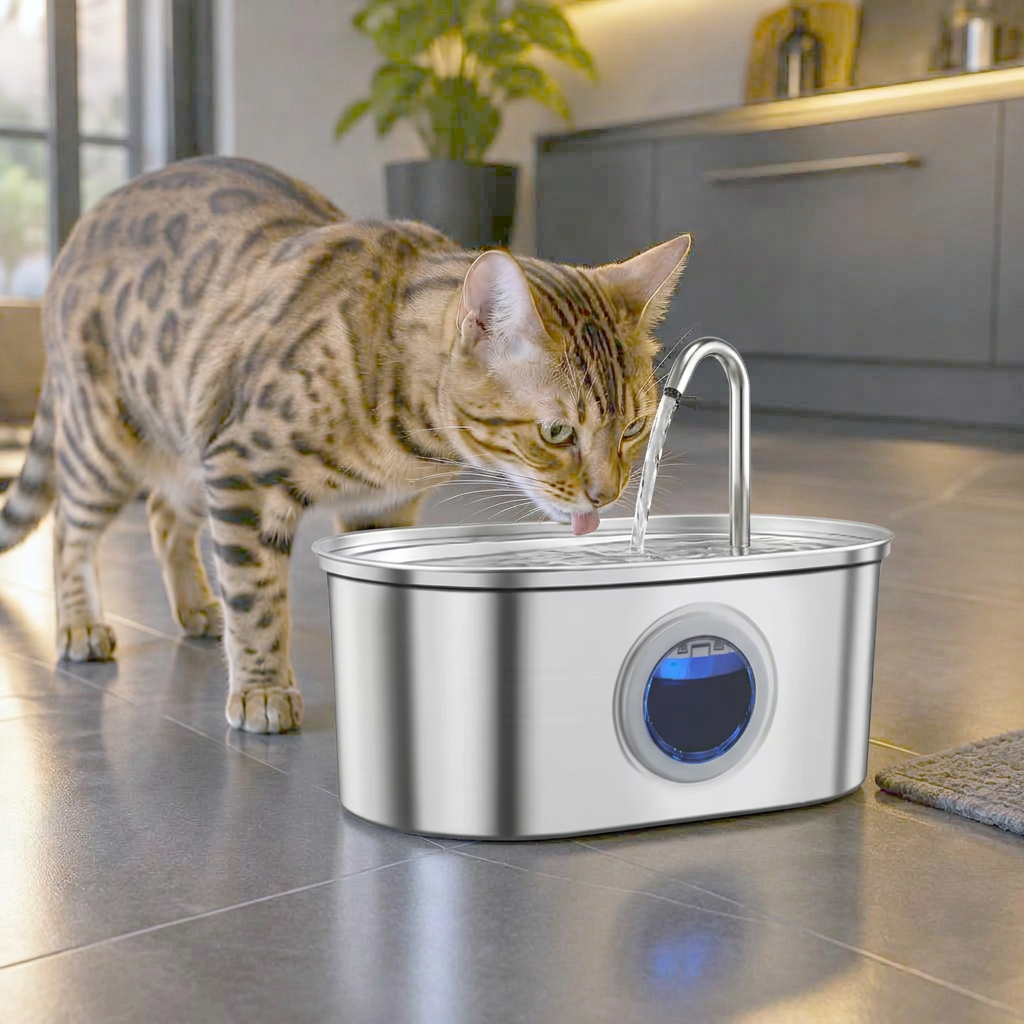
Did your cat's water fountain start out whisper-quiet, only to suddenly begin buzzing, clicking, or gurgling loudly? A noisy cat water fountain pump is not necessarily broken or ready for the trash. In the vast majority of cases, the underlying cause is simple to identify and can be resolved in just a few minutes. Here is how to troubleshoot and quiet your pet fountain, step by step.
Check the Water Level First
If several cats share the same fountain, or during hot summer weather, the water level can drop much faster than expected through drinking and natural evaporation. In these cases, get into the habit of topping up the reservoir both morning and evening. Always use fresh, clean water rather than water left sitting for days in open bottles.
This is by far the most common cause of fountain noise. When the water level falls below the minimum line, the submersible pump begins drawing in air alongside water: it gurgles, vibrates, or hums loudly. Running dry can also permanently damage the motor over time.
Top up the reservoir to the indicated fill line and listen closely: if the noise stops immediately, the issue is resolved. Remember to check the water level every single day, especially during the summer heat or in busy multi-cat households.
A transparent viewing window or built-in level indicator makes this daily check quick and effortless, allowing you to monitor water levels at a glance without having to lift the fountain lid every time.
Hair and Debris Inside the Pump
Take advantage of this disassembly to inspect the water intake: a small protective grille often shields the inlet and can clog with shed hair or kibble that fell into the water. Keeping this intake clear lets the pump operate smoothly without straining, ensuring much quieter performance.
Cat hair inevitably slips past the filter over time. Stray strands wrap tightly around the impeller, the small magnetic rotor that circulates water, creating friction, mechanical resistance, or an annoying clicking noise as it rotates.
Unplug the fountain, remove the pump from the basin, open its cover according to the manufacturer's instructions, and remove trapped hair with a small brush or cotton swab. Rinse all parts thoroughly with clean water, then reassemble carefully.
Perform this pump cleaning roughly once a week, and even more frequently during seasonal shedding periods in spring and autumn when loose hair is abundant.
Limescale: The Silent Culprit
In hard water areas, limescale inevitably builds up on the impeller and inside the pump housing. These chalky mineral deposits slow down rotor rotation and cause the motor to emit a louder, persistent humming sound.
To descale the pump safely, soak the removable parts in a mixture of water and white vinegar for about thirty minutes. Scrub gently with a soft brush, then rinse thoroughly to remove all vinegar odors before putting the fountain back into service.
Using water filtered through a domestic pitcher can help reduce these mineral deposits between regular cleanings, keeping internal mechanisms cleaner for longer.
Misaligned Parts and Vibrations
After cleaning, an improperly fitted part can easily vibrate against the reservoir walls. Check that the pump rests completely flat on the base, that its suction cups grip firmly, and that the connecting silicone pipe is seated securely.
The surface beneath the fountain also plays a role: hollow furniture amplifies mechanical vibrations into noticeable hums. Placing a silicone or rubber mat beneath the unit noticeably dampens this transferred noise.
Finally, ensure the power cord is not pulled taut and is not tugging on the pump, which could pull it off balance and cause rattling.
When to Replace the Pump
Before ordering a replacement part, note down the exact model reference of your fountain and, if possible, of the pump itself to avoid compatibility errors.
If the pump remains noisy despite a proper water level, thorough cleaning, and complete descaling, the motor may simply be worn out. A water flow that weakens or stops intermittently is another telltale sign.
Contact the seller to see if an official replacement pump is available and whether the device is still under warranty. Never attempt to dismantle sealed electrical components yourself.
In the meantime, offer your cat a fresh bowl of water so they never run short. A cat that avoids a noisy fountain may drink less, which should always be avoided for their wellbeing.
Preventing Noise from Returning
Once the issue is resolved, adopting simple habits will prevent noise from returning. Check the water level every day, ideally at the same time, such as when preparing your cat's meals. Top it up well before it reaches the minimum line.
Schedule a thorough weekly cleaning that includes dismantling and checking the pump. During spring and autumn shedding seasons, brush your cat more often: less hair will enter the water and the filter will clog far less quickly.
Replace the filter cartridge at the interval recommended by the manufacturer, typically every two to four weeks. A clogged filter restricts water flow and forces the pump to work harder, making it louder and potentially shortening its working lifespan.
Finally, if your tap water is hard, plan a regular monthly descaling routine. Keeping a small maintenance log or setting a smartphone reminder helps you stay consistent and prevents future issues.
If you want to provide moving water, the Veyrulis fountain features a 3.2-liter SUS 304 stainless steel reservoir, filtration that captures hair and impurities, quiet operation, and an illuminated window to monitor the water level. It does not replace an appropriate diet or your veterinarian's advice.