
Automatic litter trays and noise: considering the needs of a timid cat
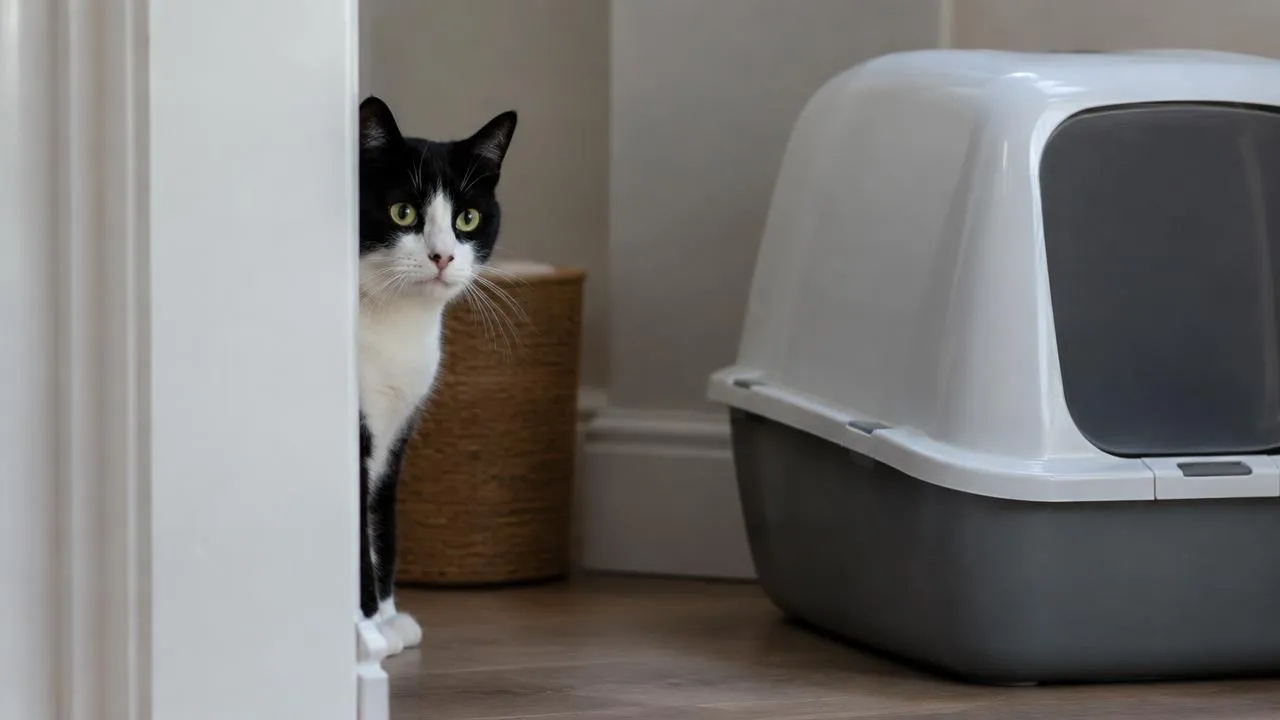
Does having a timid cat make you wonder about the noise from an automatic litter tray? Without the manual for a specific model, it is impossible to describe the sounds it makes or to assure you that your cat will tolerate them. Veterinary guidelines do, however, help explain why the setting around a cat’s toilet deserves particular attention. The aim is to identify important questions, without guaranteeing habituation, imposing a trial period or attributing every hesitation to a single stimulus.
Do not promise silence that cannot be verified
Start by looking for documented information about how the appliance you are considering operates. For its sound characteristics, operating conditions and any settings offered, check the manual for that exact model. Do not turn reassuring marketing wording into an acoustic measurement, or invent an acceptable noise threshold for all cats. The two veterinary texts drawn on here do not compare these appliances and provide no ranking of their noise levels.
Missing information must remain visible in your decision-making. You can ask what the manual specifies, without assuming an appliance must be quiet because its shape looks enclosed or its presentation feels reassuring. Equally, none of the sources provided supports naming a number of days after which your companion will stop reacting. Acceptance must remain an open question, separate from whether a technical setting happens to be mentioned in the documentation.
Consider the sounds already present around the toilet area
The AAFP/ISFM document lists placing litter trays near noisy appliances among human behaviours that may contribute to litter tray aversion. More broadly, it explains that an unpleasant experience associated with this place can lead to avoidance. This invites you to consider the existing sound environment, not just a future purchase. A nearby washing machine, for example, should be considered as a question of location under this principle, not as a universal tolerance test.
The authors also state that most cats prefer private places rather than busy areas for toileting. Mentally map the routes people and animals take around the proposed location. This way of looking at the surroundings reflects their assessment approach, which considers noise, traffic and areas of conflict. It cannot diagnose a specific fear, but it helps avoid reducing the problem to just one advertised characteristic of the device you are considering.
Check that the route remains accessible
In a home with several cats, the AAFP/ISFM recommendations describe how one animal may monopolise the litter trays, leaving less confident cats to look elsewhere. They emphasise access that does not require encountering other cats. For a shy companion, therefore, consider who occupies the route, what happens at the entrance and how the cat gets back out. Hesitation in front of the toilet does not necessarily mean that the equipment’s sound is responsible.
The same guidelines recommend two separate litter trays for a single cat and several locations suited to the social groups in a shared home. Do not make acceptance of one appliance a condition of having any toilet access at all. Resource distribution remains important regardless of the functions being considered. For the model’s entrance, dimensions and instructions for use, consult its manual; the need for easy access does not automatically validate its design.
Describe reactions without forcing an interpretation
When house-soiling occurs, the AAFP/ISFM authors call for a detailed chronological history. You can prepare this information by describing the circumstances you observe: the place chosen, behaviour near the litter trays, changes in the home and interactions between cats. Keep descriptions factual rather than immediately interpreting every movement as ‘fear of the motor’. The sources recognise several categories of causes and their possible coexistence; events happening at the same time do not isolate a mechanism.
The text also advises against situations in which the animal becomes trapped in its tray or has a negative experience there. The aim is therefore not to prove your cat’s courage by making it stay in place. Instructions for setting up the device must be read in its own manual, while your companion’s reactions should prompt a fresh look at its surroundings. An advertised function does not justify overlooking signs of discomfort or difficulties with access.
Make links between stress and health cautiously
The MSD Veterinary Manual states that idiopathic cystitis involves, among other things, interactions between the lower urinary tract, stress and altered neurohormonal factors; its cause remains unknown. It includes stress reduction and litter tray management among the measures used in care. This does not demonstrate that a particular noise causes cystitis, or that an appliance described as quiet could prevent it. Keep this distinction in mind when comparing the marketing arguments presented to you.
MSD also lists straining to urinate, frequent urges, blood in the urine and toileting outside the tray among signs of lower urinary tract disease. If you observe these signs, tell your vet rather than assuming they reflect simple fear. You can share your notes about the sound and social environment. These provide a useful history, but do not replace investigation of the medical causes that the AAFP/ISFM recommendations include in assessing house-soiling.
An automatic connected litter tray with a round design remains in preparation for Accessoires Chat; it is not yet available for sale. No price has been confirmed, and the image provided is illustrative. Specifications will need to be checked in the manual for the model supplied. At this stage, this presentation cannot support a promise about noise levels or a conclusion that the product is particularly suitable for timid cats.
Sources and further reading
- AAFP and ISFM Guidelines for diagnosing and solving house-soiling behavior in cats (Journal of Feline Medicine and Surgery, 2014)
- Manuel vétérinaire MSD — Lower Urinary Tract Disease in Cats
This advice is for information only and does not replace your veterinarian's opinion.