
Scented litter and cat litter deodoriser: should you use them?
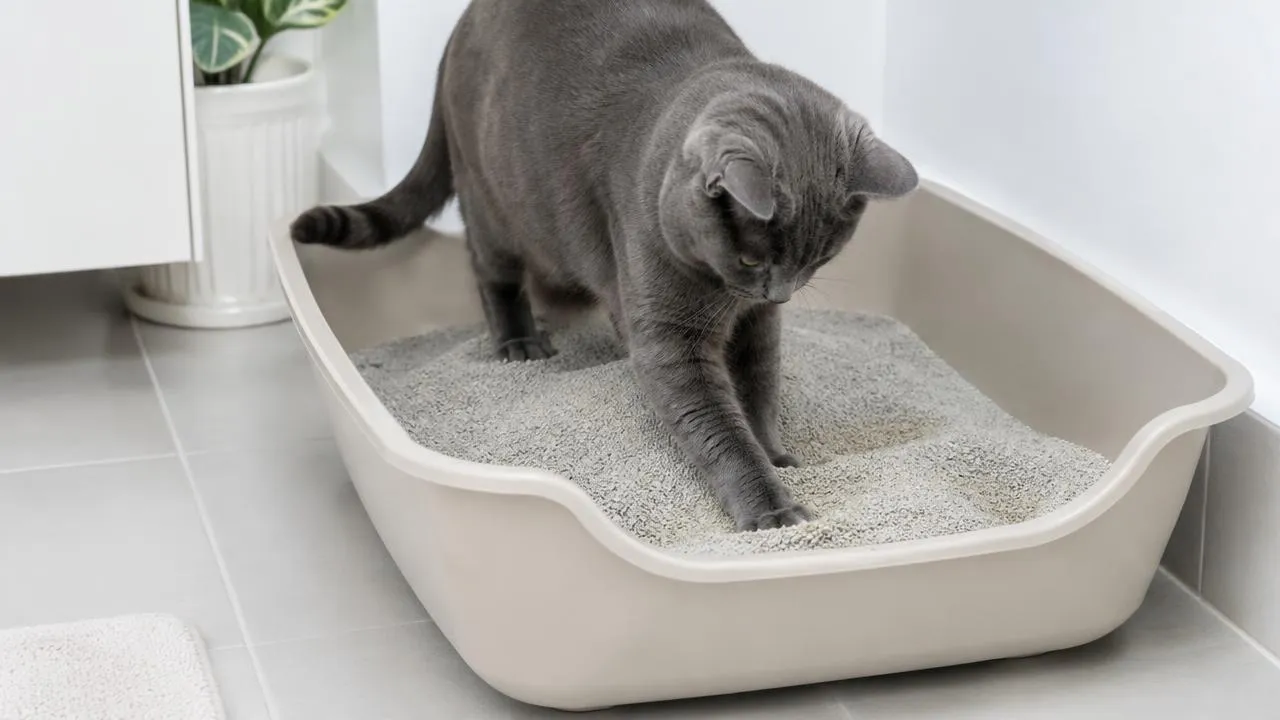
Scented litter promises a feeling of freshness to the person looking after the tray. But is this the right criterion for its four-legged user? Before adding a cat litter deodoriser, it is useful to see what veterinary recommendations actually say about odours and preferences. AAFP/ISFM guidelines urge not to confuse qualities highlighted for owners with those sought by cats. They place central importance on cleaning and the possibility of providing choice.
A promise designed for the person who buys
The AAFP/ISFM guide notes that the commercial presentation of litters targets humans. Mentions such as scented, natural, or intended for multiple cats can attract the buyer without matching their companion's preferences. The presence of an appealing claim on packaging is therefore not enough to know if the material will suit your household. Pet owners should remain aware that marketing focuses on human olfactory comfort rather than feline ethological needs or specific biological requirements.
In the same passage, authors indicate that aromatic litters and deodorisers are often unpleasant for cats. This is a reservation regarding their acceptance, not an authorisation to invent specific toxicity for every formula. The two texts selected here compare neither commercial compositions, doses, nor scents; they do not allow one to designate a brand as better or risk-free. Always prioritize the animal's reaction to the chosen substrate over the marketing promises found on the box.
Starting from a plain proposal rather than an aroma
For most situations, these guidelines suggest a clumping substrate that is fine, sand-like, and devoid of scent. They mention a depth of at least three centimetres, while specifying that depth preferences vary. This framework provides a concrete starting point without imposing an identical tray experience on all individuals. It allows for adjustments based on the specific digging behaviours observed in each cat, ensuring the litter box remains a functional and comfortable area.
Deodorising powders are among the accessories the document advises avoiding, along with liners and protective bags. Rather than adding a scented layer to a material already in use, question the conditions of its employment. Is it soiled? Has the container been washed? Does the cat enter willingly? These questions remain closer to the recommendations than a search for an ever more powerful fragrance. Effective hygiene practices often negate the need for any additional chemical masking.
Offering a choice and reading behaviours
To evaluate a preference, the AAFP/ISFM source describes providing several trays with different materials and different depths. This approach gives space to the animal's behaviour, instead of deducing its agreement from your own olfactory appreciation. Simply note which container it uses and under what conditions, without pretending to turn this domestic observation into a scientific experiment. Observing these natural interactions helps ensure the feline feels secure in its territory and avoids inappropriate elimination.
A cat perched on the edge, placing only one or two paws in the substrate, may manifest an aversion to it or to soiling, according to these recommendations. This detail deserves your attention after a change. It does not prove by itself that the scent is responsible: cleanliness, texture, and other tray characteristics must still be examined together. A holistic view of the environment is necessary to understand why a cat might avoid their box.
Finding a routine that does not depend on scent
No additive removes the need for maintenance, the guide authors assert. They recommend removal of waste at least daily, with litter added as needed. Deciding not to scent therefore does not mean accepting a neglected container. On the contrary, it puts back at the forefront a routine whose steps you can verify rather than a vague impression of freshness. Consistency in scooping remains the most effective way to manage indoor environments and feline health.
Washing is advised every one to four weeks, with hot water and soap, avoiding strong chemical agents and ammonia-based products. The text reports different professional preferences within this range. Do not present scent as a way to extend the timeframe: no cleaning exemption is described by these recommendations, regardless of the product presentation. Regular sanitisation of the tray itself is vital to prevent the build-up of bacteria and persistent smells that deodorisers mask.
When the problem exceeds the choice of a deodoriser
If urine appears elsewhere in the home, do not assume the cat is only expressing an opinion on the smell. According to the MSD Veterinary Manual, urinating outside the box is among the signs of lower urinary tract diseases, such as straining, blood in the urine, and frequent visits. These observations justify consulting a vet and describing precisely what has changed. Medical issues often present as behavioural changes that require professional diagnosis rather than simple adjustments.
Tray management features in MSD among the management elements for idiopathic cystitis, alongside environmental factors and interactions between cats. It is not presented as a sole treatment. Buying a deodoriser, removing it, or changing scent does not replace the evaluation of a urinary disorder; the choice of substrate and the medical check-up answer different questions. Always seek veterinary advice when elimination patterns shift suddenly to ensure the cat receives appropriate care and support.
Accessoires Chat is preparing a connected automatic litter box in a round format; this project is still in preparation, with no sale to date. The price remains unconfirmed and the visual must be considered an illustrative image. Regarding specifications, only those confirmed in the manual of the delivered model can be retained: check the manual for the exact model. This unit remains a draft and is not currently available for purchase.
Sources and further reading
- AAFP and ISFM Guidelines for diagnosing and solving house-soiling behavior in cats (Journal of Feline Medicine and Surgery, 2014)
- Manuel vétérinaire MSD — Lower Urinary Tract Disease in Cats
This advice is for information only and does not replace your veterinarian's opinion.