
Which cat litter to use in an automatic litter box: preferences and compatibility
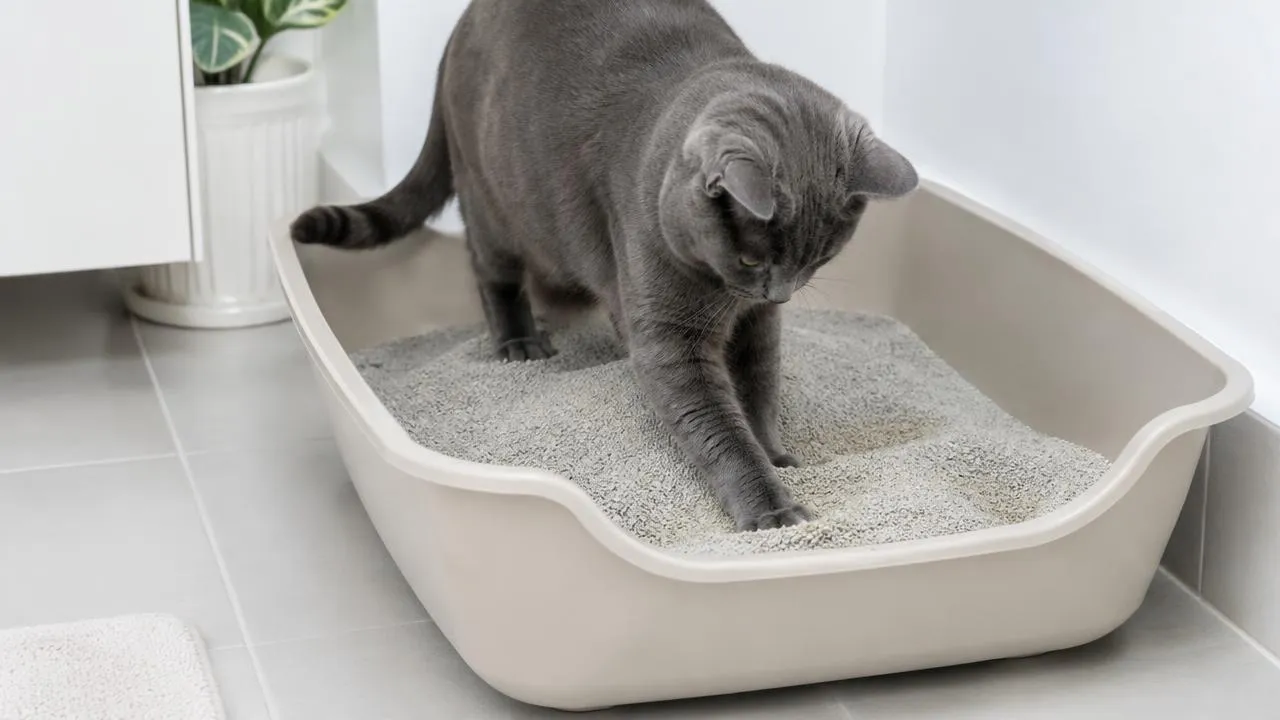
Which cat litter should you choose for an automatic litter box? There are two separate aspects to this question, and they should not be confused: what your cat accepts under its paws, and what the device’s documentation permits you to use. Veterinary recommendations offer guidance on the first point, but do not establish the second. Rather than suggesting one universally suitable material, let us look at how to answer both questions while keeping a toileting arrangement that genuinely suits your companion.
Start with the preferences described in cats
The AAFP/ISFM guidelines recommend a fine, sand-like, unscented, clumping material in most cases. They also explain that individual preferences vary, particularly when it comes to litter depth. This description provides a starting point for observing your own cat, not a rule requiring every cat to accept exactly the same product. Whatever your companion currently uses willingly therefore deserves consideration before you make a change to its existing toileting arrangements.
The authors emphasise that commercial wording is aimed at human buyers. Labels such as “natural” or “multi-cat” do not necessarily tell you what a cat prefers. They also note that scented litters and deodorisers are often unpleasant for cats. Do not choose a substrate solely because you like its smell or presentation. Instead, first look for the characteristics that matter to your cat’s comfort when using the litter tray.
Get a technical answer without making assumptions
For the automatic device, check the manual for the exact model to establish which materials are explicitly permitted and what conditions apply. The veterinary text describes neither how these machines operate nor their particular requirements. It therefore cannot establish that a material is compatible with every device, even when it matches the profile cats generally prefer. A recommendation about behaviour can never replace confirmation of technical suitability for the equipment concerned.
If you have already selected a substrate, ask a precise question based on its description rather than accepting a vague agreement about the word “litter”. If you are considering a machine, work the other way round: begin with the documented materials and compare them with your companion’s habits. Until you have an answer, do not fill gaps in the manufacturer’s information with comparisons between products, a photograph or assumptions about how they work.
Distinguish preferred depth from filling instructions
The AAFP/ISFM document mentions a depth of at least three centimetres for the substrate it generally recommends. This guidance concerns the arrangement of a litter tray within its general recommendations. It does not authorise arbitrary changes to the amount used in a particular device. Look for the applicable directions in that device’s instructions. If these seem incompatible with your cat’s needs, treat that difficulty as an important selection criterion in its own right.
In particular, it would be misleading to state an amount of granules suitable for every automatic litter box. We do not have the documentation for a defined model. Keep two separate questions in mind instead: does your cat seem comfortable with the material and its depth, and does its use follow the device’s instructions? A positive answer to one does not automatically resolve the other. This distinction prevents general advice from becoming an improvised technical setting.
Assess acceptance without blaming every refusal on the material
To explore preferences, the AAFP/ISFM recommendations suggest providing several trays with different substrates and depths. This approach concerns comparison trays; it is not an invitation to put an unauthorised material into a machine. The authors also explain that a cat balancing on the edges, with few paws inside the tray, may be showing an aversion to the material or to soiled litter. Such behaviour therefore needs to be considered in context.
Nevertheless, the substrate does not explain every instance of avoidance. The text also discusses the size and cleanliness of the toileting area, nearby noisy appliances and access difficulties involving other cats. Consider the whole situation before repeatedly changing materials. Note the circumstances in which refusal occurs and any changes that preceded it. This sequence of events forms part of the information the guidelines recommend gathering when investigating a house-soiling problem.
Keep health and hygiene central to the decision
The MSD Veterinary Manual lists urinating outside the litter tray among the signs of lower urinary tract disorders, alongside blood in the urine, frequent urination and straining to urinate. Finding a new material does not provide a diagnosis. If these signs are present, report them to your vet rather than concluding that they simply reflect a preference. The AAFP/ISFM recommendations specifically call for medical causes to be investigated when assessing house-soiling.
Finally, the same guidelines remind us that no substrate removes the need for maintenance. They recommend removing waste at least once a day and topping up the litter as needed. To carry out these tasks with your device, return to the instructions for its specific model. Your final choice should therefore combine a material your cat accepts, documented use and regular attention to its toileting facilities, without any promise of a medical result.
The round, connected automatic litter box project from Accessoires Chat is still in preparation and is not available for sale. Its price has not been confirmed. The image is illustrative and, in particular, does not demonstrate compatibility with any litter substrate. All specifications remain subject to confirmation in the manual for the model actually delivered. Consequently, no material can be described here as suitable for this project.
Sources and further reading
- AAFP and ISFM Guidelines for diagnosing and solving house-soiling behavior in cats (Journal of Feline Medicine and Surgery, 2014)
- Manuel vétérinaire MSD — Lower Urinary Tract Disease in Cats
This advice is for information only and does not replace your veterinarian's opinion.