
Cat GPS Tracker: Practical Setup and Daily Advice for Your Feline
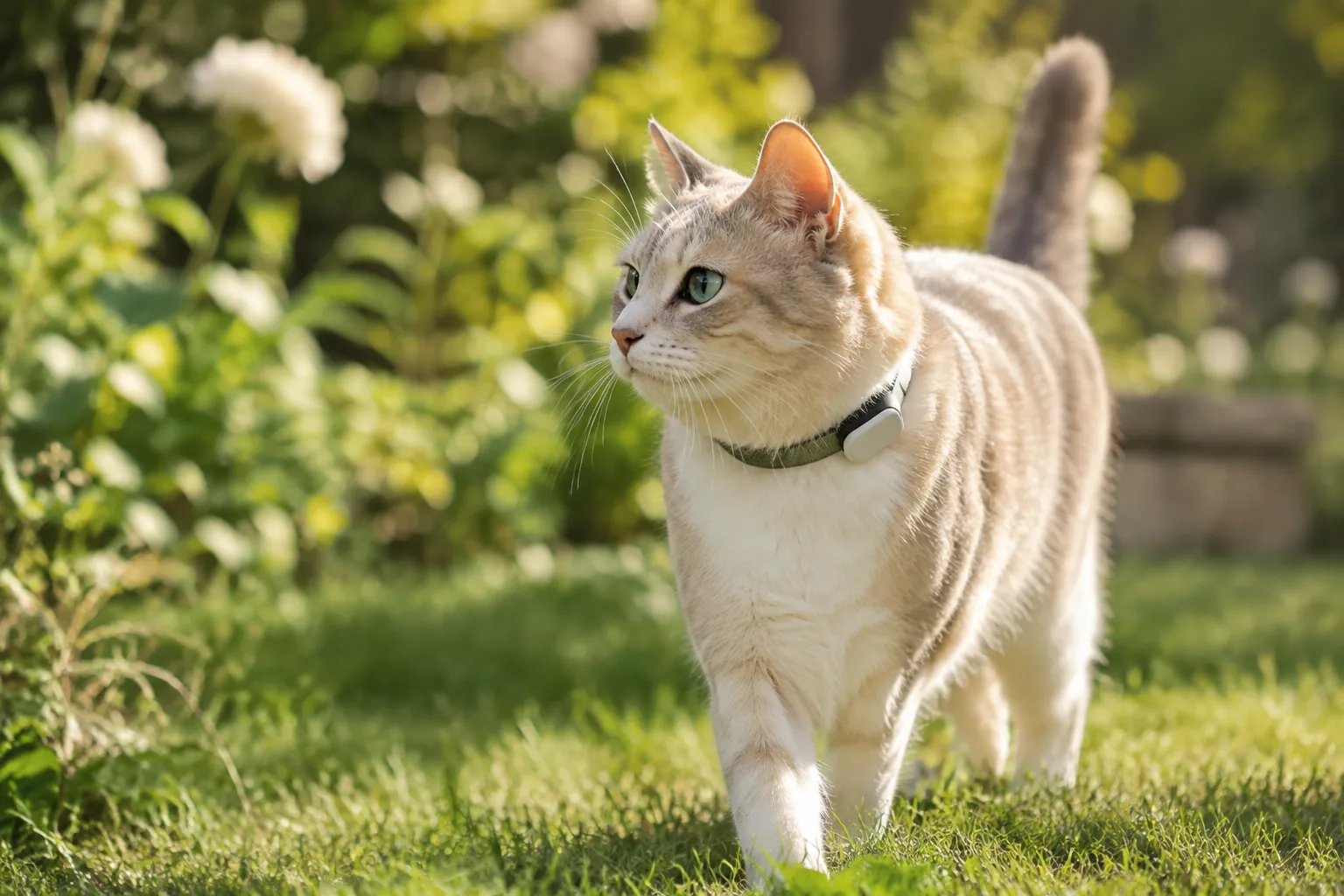
Equipping a feline companion with electronic gear naturally raises understandable questions for any owner genuinely dedicated to their pet's well-being. According to international feline veterinary guidelines, notably recommendations from the ISFM and the AAFP, everyday comfort, passive safety, and behavioral tolerance must direct every single decision. Fastening a tracking device onto a cat demands meticulous preparation, ranging from the rigorous selection of a breakaway safety collar to evaluating local cellular network coverage. This practical guide details each essential step required to integrate a tracking unit smoothly into your feline's daily routine without hindering natural movements or compromising their overall tranquility.
Installing a Cat GPS Tracker onto a Suitable Safety Collar
Fitting a geolocation tracking unit onto your pet must never come at the expense of their physical safety. Feline organizations such as the ISFM stress the absolute necessity of using a collar equipped with a quick-release breakaway buckle capable of releasing under the animal's own weight if snagged on a fence, branch, or wire mesh. During installation, always verify that the tracker mount does not interfere with this automatic opening mechanism. An accessory that is excessively rigid or poorly aligned could prevent the safety clasp from disengaging in an emergency.
Your cat's individual size and anatomy also determine how practical and comfortable wearing a tracker will be. The total weight and dimensions of the module must remain negligible compared to the feline's build so as not to disrupt their natural gait or cause cervical fatigue. A petite cat will tolerate a suspended weight far less easily than a robust adult feline. Adjust the collar strap so that two fingers slide comfortably between the collar and the skin, then verify attachment stability to prevent excessive swinging during runs or energetic jumps.
Gently Accustoming Your Cat to Wearing a Cat GPS Tracker
Introducing a completely new object into a cat's home territory requires a gradual method that fully respects their behavioral tendencies. Begin by placing the turned-off device on the floor near their favorite resting space, associating it with delicious treats, verbal encouragement, or spontaneous play sessions. This initial desensitization phase allows your feline to inspect the unit closely, sniff it, and deposit their own facial pheromones through cheek rubbing, significantly diminishing any initial suspicion toward this novel and unfamiliar material.
Next, have your cat wear the collar equipped with the tracking module for very brief intervals of just a few minutes indoors under your direct observation. Watch their reactions closely: if they freeze completely or frantically attempt to claw off the band, remove it calmly and resume training later. Immediately reward quiet, composed behavior to turn the exercise into a positive moment. Only grant outdoor access once your cat naturally goes about their normal daily activities without paying any attention to the equipment.
Connecting the Mobile Network and Cat GPS Tracker Application
The operation of any connected tracking module relies directly on cellular data transmission to a dedicated smartphone management app. Depending on manufacturer specifications, an active SIM card, a paid data package, or a dedicated cellular subscription may be required to relay geographic coordinates in real time. Before letting your pet wander freely outdoors in the garden or neighborhood, thoroughly verify the actual quality of mobile network coverage across your local area, whether in France or Belgium, to avoid problematic blind spots and connection drops.
Take adequate time to explore the mobile tracking application thoroughly to understand all stated settings, such as customizable geofenced safety zone alerts or location refresh intervals. Always keep in mind that satellite positioning precision in built-up or obstructed environments and actual battery autonomy depend considerably on ambient weather conditions and local topography. Establish a dependable, regular recharging routine so that the tracking hardware never shuts down unexpectedly while your adventurous feline is wandering outdoors.
Common Practical Mistakes to Avoid with a Cat GPS Tracker
The most dangerous mistake involves securing an electronic tracking unit onto a traditional collar featuring a closed buckle or an elastic band that lacks a release mechanism. If snagged in dense hedges, fences, or bushes, the risk of strangulation becomes critically high for a panicked cat. Similarly, failing to check the waterproof integrity of the housing exposes sensitive circuits to moisture damage when passing through wet grass or sudden rain, rendering geographic tracking completely inoperable and misleading.
Another frequent error lies in placing excessive faith in electronic technology at the expense of active owner vigilance. A tracking module serves as an occasional locating aid, but it never replaces mandatory identification via an implanted microchip or properly secured outdoor enclosures. Furthermore, omitting to verify the mechanical stability of the attachment after every outdoor outing leaves the unit vulnerable to accidental detachment and loss in dense garden vegetation.
Daily Maintenance and Care for Your Cat GPS Tracker
Conducting a daily check of your pet's neck remains essential for promptly detecting any localized hair loss, skin redness, or friction irritation caused by the device. Remove the collar and tracking module each evening if your cat sleeps indoors, giving their fur coat a chance to breathe naturally. At the same time, clean the exterior casing using a slightly damp, soft cloth to remove residual dirt, dried mud, and environmental dust.
Finally, routinely inspect the mechanical condition of the mounting bracket and the integrity of the collar's quick-release safety clasp. Over time, garden debris, accumulated hair, and natural wear can clog the release mechanism or loosen the bracket fit. Keeping your gear thoroughly clean ensures both that the collar releases properly in dangerous situations and that the onboard electronics remain protected and durable over time.
Veyrulis presents for consideration the 4G Cat GPS Tracker with mobile app tracking (reference AC-GPS-4G-CHAT, indicative price €149.00). This compact module advertises mobile data transmission and perimeter safety alerts, although exact battery life, subscription requirements, and operational accuracy should be verified directly with the supplier. Non-contractual photograph; prior conformity verification recommended.
Sources and further reading
This advice is for information only and does not replace your veterinarian's opinion.