
Cat Nutrition and the Vet: Preparing the Right Questions
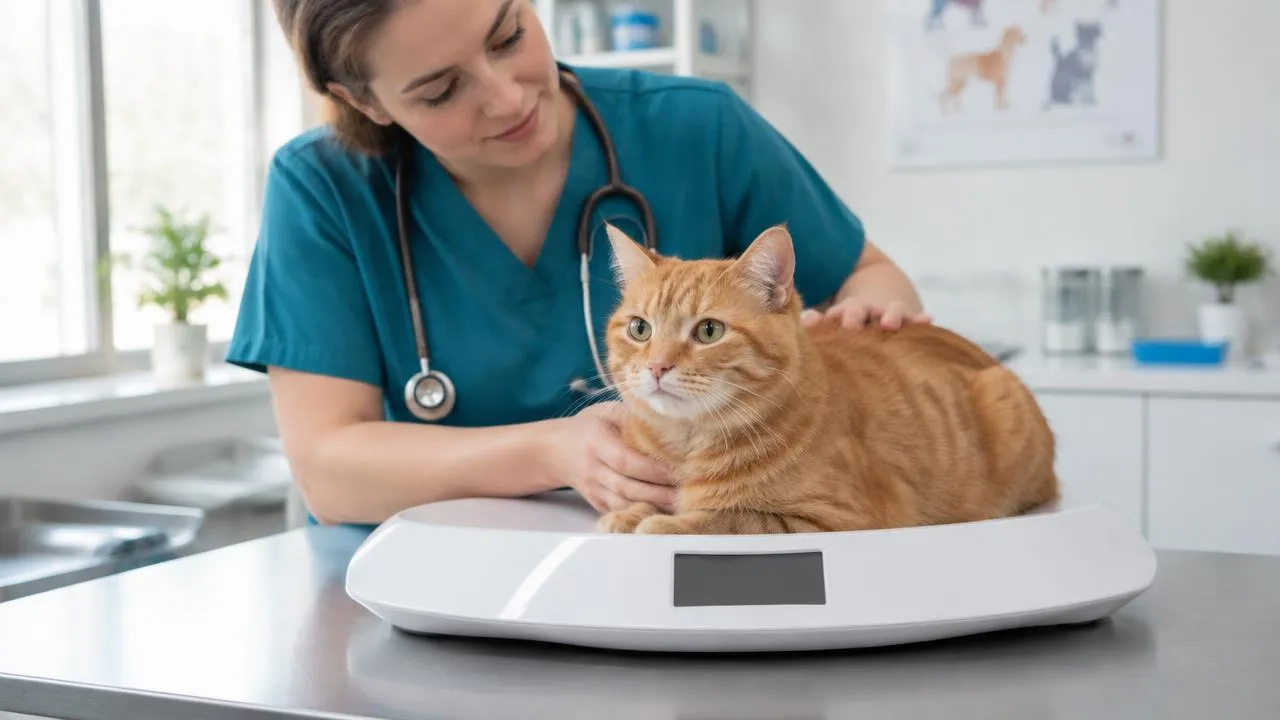
A cat’s diet cannot be reduced to merely choosing a bag of food: portion size, mealtime access, and daily feeding habits matter just as much. When selecting a daily ration or altering the menu, the veterinary surgeon who knows your pet remains the most appropriate professional to guide you. The AAFP consensus statement on feline feeding programmes recommends regularly monitoring weight and body condition, whilst verifying that each cat consumes an appropriate amount of food. A simple, consistent record of meals transforms vague impressions into useful clinical information for your consultation, without presuming to replace a formal veterinary examination.
Preparing an Accurate Picture of Daily Meals
Before attending an appointment, note down the specific foods offered and how you measure portions. Mention typical feeding times, any leftovers, and which household members feed the cat. If several animals live together, indicate whether they share a common feeding station or if each has an identifiable, dedicated area. The AAFP consensus statement recommends ensuring that every cat can access food easily and ingest an appropriate amount without stress. An accurate feeding history helps ground the consultation in daily reality, rather than basing the conversation on rough estimates recalled from memory.
Consider recent changes as well: a relocated food bowl, a new feeding device, altered work routines, or the arrival of another pet in the home. Describe what occurred objectively, without assuming that any single factor necessarily explains an appetite shift; daily observations alone do not always establish a direct cause. Ask your vet which details matter most for your cat and how to collect them regularly over time. If you have questions about a specific commercial food, bring its exact brand name and packaging information. This keeps the discussion concrete and avoids confusing general advice with an individualised recommendation.
Asking Questions on Quantity and Measurement
An appropriate daily quantity cannot be determined solely by age, lifestyle, or a simplified calculation found online. The AAFP consensus recommends consulting your veterinary surgeon to establish suitable caloric intake and the most reliable measuring method for your household. Inquire about how much to offer, how to divide portions throughout the day, and when to review the recommendation. The answer depends on your cat's specific context and health status. Avoid drastic alterations based on general rules; if a dietary change is planned, ask how to implement it safely and what observations to report back to the clinic.
A digital kitchen scale can help measure portions accurately; the AAFP notes that traditional measuring cups often lack precision and consistency. Record the quantity provided and, where relevant, any food remaining after an agreed interval. Careful measurement provides a useful baseline, but does not prove on its own that the ration is genuinely suitable for your pet's needs. A shared bowl naturally complicates interpreting leftovers. Ask the clinic whether your chosen tracking method is helpful and how to monitor variations. Keeping consistent units allows you to compare notes over time without turning data into a personal diagnosis.
Addressing Weight and Body Condition Score
Tracking body weight and body condition score represents a key recommendation in the AAFP feline feeding consensus statement. Your veterinary team can explain their clinical observations and advise on how frequently check-ups are appropriate. If you weigh your pet at home, record the exact date and measurement conditions to present a clear, intelligible series of figures. Never draw sweeping medical conclusions from an isolated number on the scale. The broader trend, accompanying observations, and physical examinations must be evaluated together by a qualified professional. This approach is especially vital for senior, frail, or chronically ill cats.
You can prepare open questions: should current weight be monitored more closely, is your measurement method appropriate, or should feeding stations be physically separated? Frame your concerns around objective observations—such as leftover portions, routine changes, or difficulty reaching the bowl—rather than self-diagnosed medical issues. Bring your notes to appointments and ask how best to continue monitoring between visits. A vet's advice may evolve as new information arises; an individualised feeding plan should never be replaced with generic guidance gathered from social media platforms.
Discussing Meal Organisation and Equipment
Cats often prefer frequent, small meals eaten alone, according to the AAFP. The consensus recommends considering split meals and providing multiple distinct food and water stations throughout the home. In multi-cat environments, competition can be remarkably subtle; some pets use different rooms or actively avoid certain transit areas. Describe how your cats move around the house and where each eats. Your vet can help assess whether your current arrangement is suitable. A separate station is not a universal requirement, but it makes individual intake much easier to observe when multiple pets share living space.
An automatic feeder can help organise portions reliably, while a puzzle feeder encourages natural foraging behaviour and mental stimulation. Devices vary considerably in function: check the manual for your exact model and consider whether your cat can access the food easily and without frustration. Share programmed settings and actual consumption with your vet, rather than relying solely on the device's display. These tools do not replace hands-on weight checks or professional dietary advice. When choosing equipment, link it to practical needs—such as timings, measurement, or access—and verify technical details with the manufacturer or user guide.
At Accessoires Chat, a black automatic kibble feeder with Wi-Fi is currently in preparation, with no sales open to date. Its price remains unconfirmed and the image is illustrative. Technical specifications must be verified in the user manual of the delivered model. While an automated appliance can help organise scheduled distributions throughout the day, it does not determine a cat's individual nutritional requirements or replace personalised veterinary advice.
Sources and further reading
This advice is for information only and does not replace your veterinarian's opinion.