
Cat tree on a balcony: preventing the risk of falls
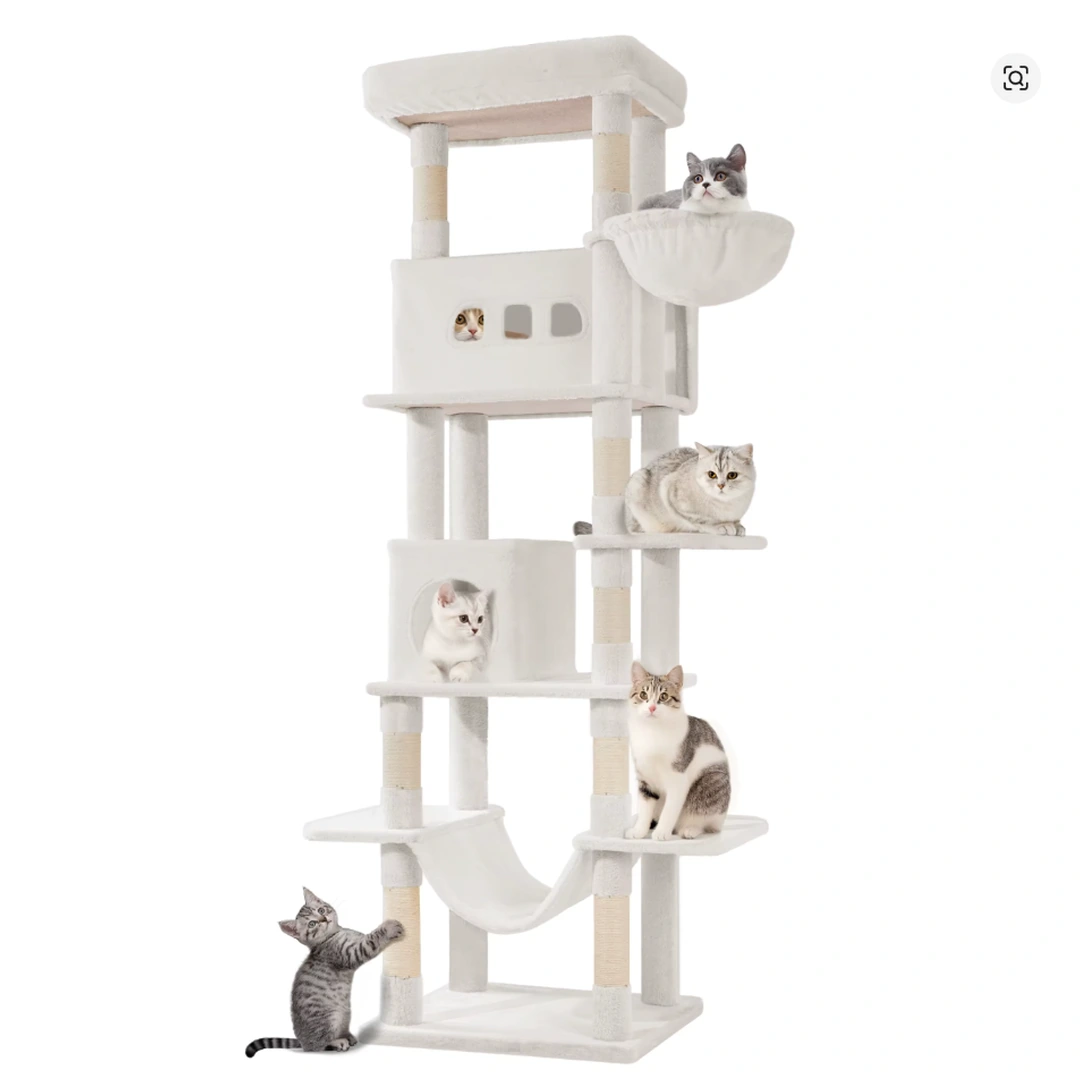
Putting a cat tree on a balcony may seem to provide an ideal lookout. However, its platforms can turn a boundary that is difficult to reach into an accessible route. The problem is therefore not simply about stopping the furniture from moving: you need to examine everything your cat could reach from its resting places. When considering a cat tree for a balcony, start with the possible ways across the boundary, then decide whether this equipment really belongs outdoors.
Cat tree on a balcony: when a perch becomes a springboard
A railing protects people under the conditions intended for its use; its presence does not mean that the balcony will contain a cat. A cat may slip between some elements, find a foothold on a crossbar or reach the top. The tree changes this situation: each platform becomes a possible starting point. A resting place near the edge can therefore provide access to an area previously difficult to reach from the floor, even without an impressive leap.
Do not consider overall height alone. Look at the direction of the platforms, openings at the sides and nearby objects too. A chair, planter or storage chest can extend the route to the railing. Moving the tree away from the edge reduces some direct access, but no arbitrarily chosen distance provides a guarantee. If the balcony remains open to the drop beyond, moving the furniture is not enough to make access a sensible option.
Examine the whole balcony before choosing protection
Survey the area from floor level, then from the different levels your cat might occupy, without using the animal to test possible passages. Examine gaps beneath the railing, between its elements, around partitions separating neighbouring balconies and near the ends. Consider outside ledges as well: a narrow surface may attract your cat without offering an easy way back. The aim is to understand the possible routes, not to guess which ones your cat will prefer.
Next, look at what is above the balcony and on either side. Protection covering only the front may leave a passage elsewhere, particularly if your cat can climb the installation. Also note areas you need to open to tend plants or reach storage. Protection for the entire space must account for these everyday actions: even the best position for the cat tree cannot compensate for an opening that is regularly left accessible.
Plan a suitable enclosure, not a token barrier
Do not choose netting or mesh solely on appearance. You need a system intended for this purpose, compatible with the balcony layout and installed according to its instructions. Check opening sizes, fastenings, permitted supports and conditions of use with the manufacturer. If the layout or installation raises any doubts, seek advice from a suitably qualified professional rather than improvising an arrangement using whatever ties or fasteners you happen to have available.
Check the permissions required from your landlord or building management before carrying out any work. Depending on the layout, protection must prevent access around the sides, underneath and over the top. Do not assume that a privacy screen, ordinary insect screen or plants provide protection. While the enclosure still offers a possible passage, or compliance with its instructions remains uncertain, keep the balcony inaccessible to your cat, even for a supervised visit.
Manage balcony visits without relying on vigilance alone
A normally calm cat may move suddenly while following an insect, a bird or a sound. Your presence allows you to observe, but does not replace suitable physical protection: you may not be able to interrupt the movement. Equally, do not rely on a learnt command or your cat's apparent caution. Access must remain closed when protection is incomplete, during work on the balcony or whenever part of the protective system has been removed.
Before each visit, check whether an opening has been left clear, an element appears detached or a moved object creates a new foothold. After work on the balcony or weather that may have affected the installation, check the system according to the manufacturer's guidance. If in doubt, suspend visits. Also avoid placing toys near the perimeter: the activities you offer should not encourage your cat to chase anything towards the boundaries of the space.
Provide height without making the balcony essential
The AAFP and ISFM guidelines on feline environmental needs (2013) highlight, among other things, the importance of hiding places, elevated perches, separate resources, scratching, familiar smells and respectful interaction. They do not make installing a cat tree on a balcony necessary. These needs can be addressed indoors, without exposing your cat to a space whose enclosure is unsatisfactory. Deciding not to use the balcony as the location for the tree remains a reasonable choice.
If the balcony is properly protected, let your cat choose whether to go out and come back in, without forcibly placing it on the tree. Preserve opportunities to retreat indoors and observe its reactions without staging a test near the boundaries. Consult a vet for any sign of pain, limping, any fall, the presence of parasites or a change in behaviour. After a fall, contact the vet even if your cat appears to be well.
VEYRULIS is preparing a 210 cm tall, multi-level tower cat tree, still at the draft stage and not yet for sale. The price has not been approved, and the colour variant remains to be confirmed. Specifications must be checked in the instructions for the model delivered, particularly for the intended use. On a balcony, this height requires planning for access to the railing; it never replaces protection for the whole space.
Sources and further reading
This advice is for information only and does not replace your veterinarian's opinion.