
Designer cat tree: make it part of your living room without hiding it
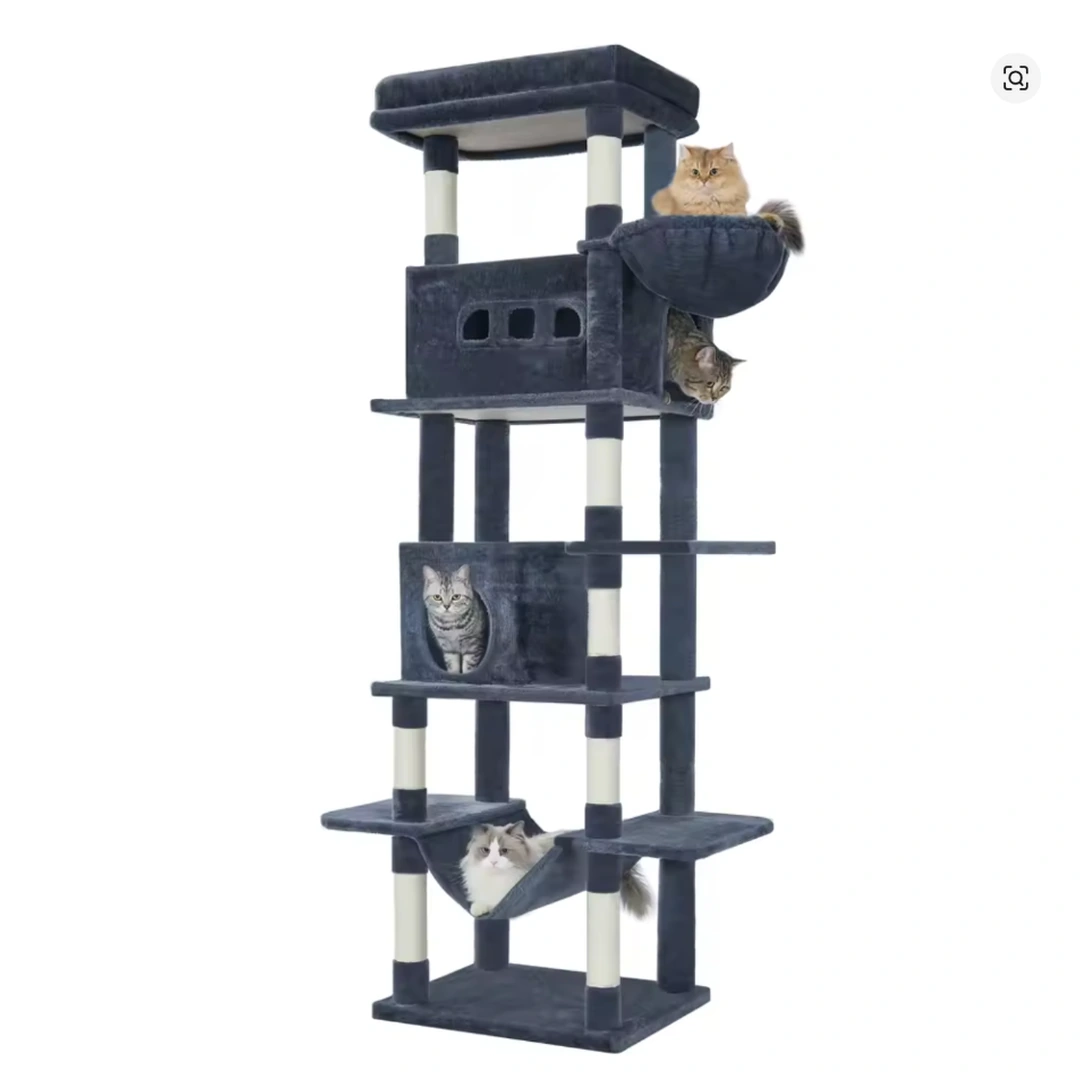
A designer cat tree should not have to disappear behind a curtain to earn its place in the living room. The aim is to give it a role in the space, just as you would an armchair or a bookcase. Its colours, textures and outline can work with your décor while respecting your companion’s habits. After all, a perfectly coordinated arrangement misses the point if it stands somewhere your cat never wants to stay. Here is how to balance a visible presence with everyday use.
Treat your designer cat tree as a proper piece of furniture
Start by looking at your living room as a whole, rather than immediately searching for a corner to fill. Which lines dominate: gentle curves, rectangular shapes or slender legs? A tree whose outline echoes one of these features looks more intentional. It does not need to copy the style of every other piece of furniture exactly.
Next, decide on its visual role. It can blend into a quiet arrangement or become an eye-catching feature. For the former, favour continuity in your colour palette; for the latter, choose a controlled contrast. Simply avoid surrounding it with so many decorative objects that its shape becomes difficult to appreciate.
To picture the result, photograph the room from your usual seat and compare several outlines. A supplier screenshot helps you assess visual proportions, but guarantees neither the actual colour nor the appearance of the materials. Check the measurements and technical information in the manufacturer’s instructions.
Build a palette that connects without making everything match
A successful colour combination does not necessarily mean beige against beige. Identify a colour already present in a rug, curtains or armchair, then look for a compatible shade. A warm grey can complement cream textiles; a brown shade can echo a table. What matters is that the undertones work together.
Observe these combinations at different times of day. The living room light can change how a pale covering looks or emphasise a difference between two browns. When photographs are available, compare several views rather than relying on one brightly lit image. Allow for some uncertainty until the item arrives.
If the tree’s colour contrasts with your décor, repeat it subtly elsewhere: a cushion on the sofa, a print or a throw. Decorate around the furniture, not its platforms. Adding fabric to disguise its finish could interfere with footing or access; any alteration must follow the instructions.
Coordinate materials without altering useful surfaces
For materials, think in terms of echoes rather than an entirely matching look. A wood-effect finish can relate to a shelf, while a textile covering recalls the softness of the sofa. Combining visually smooth surfaces with more pronounced textures adds depth without demanding an exact match between the tree and your furniture.
The scratching surface is part of this arrangement: there is no need to hide it beneath a decorative cover. The AAFP and ISFM guidelines on feline environmental needs (2013) highlight, among other things, the importance of hiding places, elevated perches, separate resources, scratching, familiar scents and respectful interactions with cats.
Keep those functions visible, even when they look less streamlined than the rest of the room. Do not paint an area your cat can reach to achieve the ideal shade, or add dangling ornaments. For any accessory or change of finish you are considering, check what the manufacturer’s instructions allow rather than improvising.
Work with your furniture and your cat’s habits
Successful integration should also be judged from your cat’s perspective. If they enjoy watching you read, the arrangement should let them share that scene without being constantly approached. An attractive alignment along a wall is not enough if an armchair then blocks their entire view of the room.
Find a balance between closeness and visual breathing space. The tree can relate to the sofa without being wedged between its armrest and a crowded table. Keep access routes clear and its surfaces available. A lamp, vase or plant should not occupy the areas your cat uses to reach the platforms.
Do not gather all your cat’s belongings at the foot of the tree to create a matching display. Shared colours can provide decorative consistency while resources remain separate. To assess your arrangement, observe your cat’s usual movements and how people move through the room, then adjust nearby furniture if necessary.
Keep a lived-in room rather than chasing a perfect picture
A harmonious living room is still a space to live in. A few signs of wear do not mean the arrangement has failed: they show the furniture is genuinely being used. Keep familiar reference points around your cat when changing the décor. Avoid reorganising their entire environment at once to recreate an inspiration photograph, however appealing.
Let your companion choose when to explore and rest. Do not place them on a platform to test how the arrangement looks or to take a photograph. You can appreciate the result from several angles, then wait to see how they make it their own. Their preferences matter as much as your first impression.
Finally, distinguish a decorative adjustment from a problem needing professional advice. Consult a vet for any sign of pain, limping, a fall, parasites or a change in behaviour. A new layout is not a sufficient response. The aim remains simple: make room for your cat within the décor, without asking them to become a decorative object.
VEYRULIS is preparing a tall, multi-level cat tree tower measuring 210 cm, intended as a visible presence in the living room. It is not yet on sale: the price has not been approved, and the colour variant remains to be confirmed. Check its specifications in the instructions for the model delivered before planning how to incorporate it.
Sources and further reading
This advice is for information only and does not replace your veterinarian's opinion.