
Outdoor cat tree: withstanding rain and sunshine
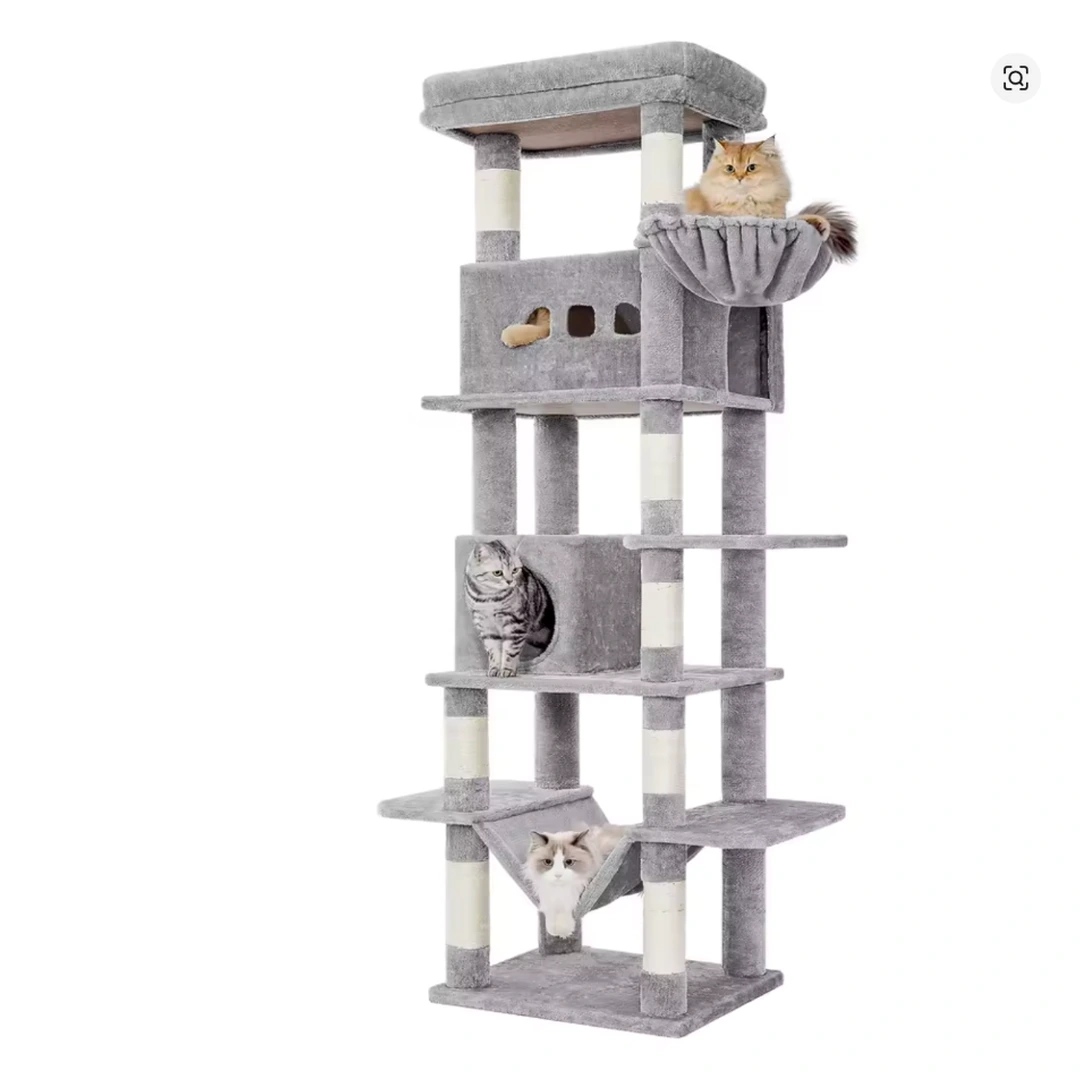
Installing an outdoor cat tree gives your cat an observation point in a secure space. However, a structure that is comfortable indoors will not necessarily withstand showers, condensation or prolonged sunshine. Before taking it outside, distinguish between the stated outdoor use, actual installation conditions and maintenance requirements. The aim is not to make any model waterproof: it is to choose suitable equipment, then know when to protect it, bring it indoors or stop using it.
Outdoor cat tree: check its intended use
A photograph taken on a terrace does not prove a cat tree can stay there. Look for an explicit statement of outdoor suitability in the manufacturer's listing and instructions. Check restrictions: covered placement, permitted direct exposure, seasonal storage or parts to remove after use. Vague wording cannot replace these details.
Ask exactly what the stated resistance covers. A water-repellent surface may allow water through a seam, joint or exposed edge. Likewise, a roof may protect the sleeping area but not the posts or base. If the documentation remains unclear, request written confirmation before making any purchase.
The AAFP and ISFM guidelines on feline environmental needs (2013) highlight the importance of hiding places, elevated perches, scratching and separate resources. They explain the value of providing this type of environment, but they do not certify any material or product as capable of withstanding outdoor weather conditions.
Look beyond the appearance of materials
For wood, focus on the stated protection and exposed areas: edges, drilled holes, joints and undersides. Some boards can swell when moisture reaches their core. A varnished appearance therefore does not guarantee outdoor suitability. The manufacturer should specify the wood species, treatment and maintenance they require.
Metal parts also need particular attention at connections and wherever the coating flakes. For plastic components, look for stated suitability for sun exposure: their initial appearance says nothing about ageing. Any crack, distortion or edge that has become sharp means access must be blocked pending an assessment.
Resting and scratching surfaces are often the parts most exposed to lingering moisture. Ask whether they can dry in place, be removed or must remain sheltered. Do not assume natural rope is automatically suitable outdoors. Also check that the different components can be inspected after a spell of rain.
Limit rain without trapping moisture
Within a secure enclosure, choose somewhere sheltered from prevailing rain, without roof runoff or repeated splashing. Observe the ground after a shower: an apparently dry area may collect water. Prolonged contact between the base and a damp supporting surface can damage materials that are sensitive to moisture.
Shelter does not remove the need to check airflow. A cover placed over a still-wet structure may trap moisture rather than protect it. Only use protection compatible with the manufacturer's instructions, with the cat absent, then remove it and check that everything is dry before allowing access again.
Avoid improvised alterations, such as drilling a platform to drain water or applying an unapproved waterproofing product. These can damage materials or create a surface unsuitable for contact with your cat. Check the instructions for both suitable protection and the conditions for using the tree again after rain.
Anticipate sunshine and changing weather
A spot shaded in the morning may receive afternoon sun. Observe this change before leaving the installation accessible. Check exposed contact surfaces; if they seem too hot, temporarily block access. Your cat must always be able to leave this perch for a sheltered place, with water available separately.
Sunshine also affects finishes: fading, drying or weakening may appear gradually. A colour change alone does not indicate reduced strength, but it is a reason to inspect the material. Consult the manufacturer's recommendations on exposure, any protective products and the maintenance requirements of each individual component.
In strong winds, with a storm forecast or in weather incompatible with the instructions, stop use and shelter the equipment as directed. Do not add an improvised tarpaulin or canopy: catching the wind changes the forces acting on the whole structure. Always preserve the secure enclosure's proper functioning.
Plan checks suited to outdoor use
After a shower, look for trapped water beneath sleeping areas, in joints and around the base. Wait until accessible surfaces are completely dry before your cat returns. Moisture persisting despite dry weather should prompt you to reconsider exposure or bring the model indoors, rather than adding further protection.
Before reopening access after a period without use, examine surfaces, connections and hidden parts. Remove plant debris and check for weather-related damage. Use only maintenance methods compatible with the instructions. Keeping a small inspection notebook helps you identify deterioration that repeatedly appears in the same place.
Let your cat explore freely, without forcing them onto a platform. Preserve familiar scents and respectful interactions as far as possible, following the cited recommendations. Consult a vet for any signs of pain, limping, a fall, parasites or behavioural changes. New reluctance should not automatically be blamed on the weather.
VEYRULIS is preparing a 210 cm tall, multi-level cat tower, not yet for sale on accessoireschat.com. Its price has not been approved, and its colour variant remains to be confirmed. Specifications must be checked in the instructions for the model delivered, especially before considering outdoor use: its height guarantees no resistance to rain or sunshine.
Sources and further reading
This advice is for information only and does not replace your veterinarian's opinion.