
Ceiling-height cat tree: installing a tension-mounted model
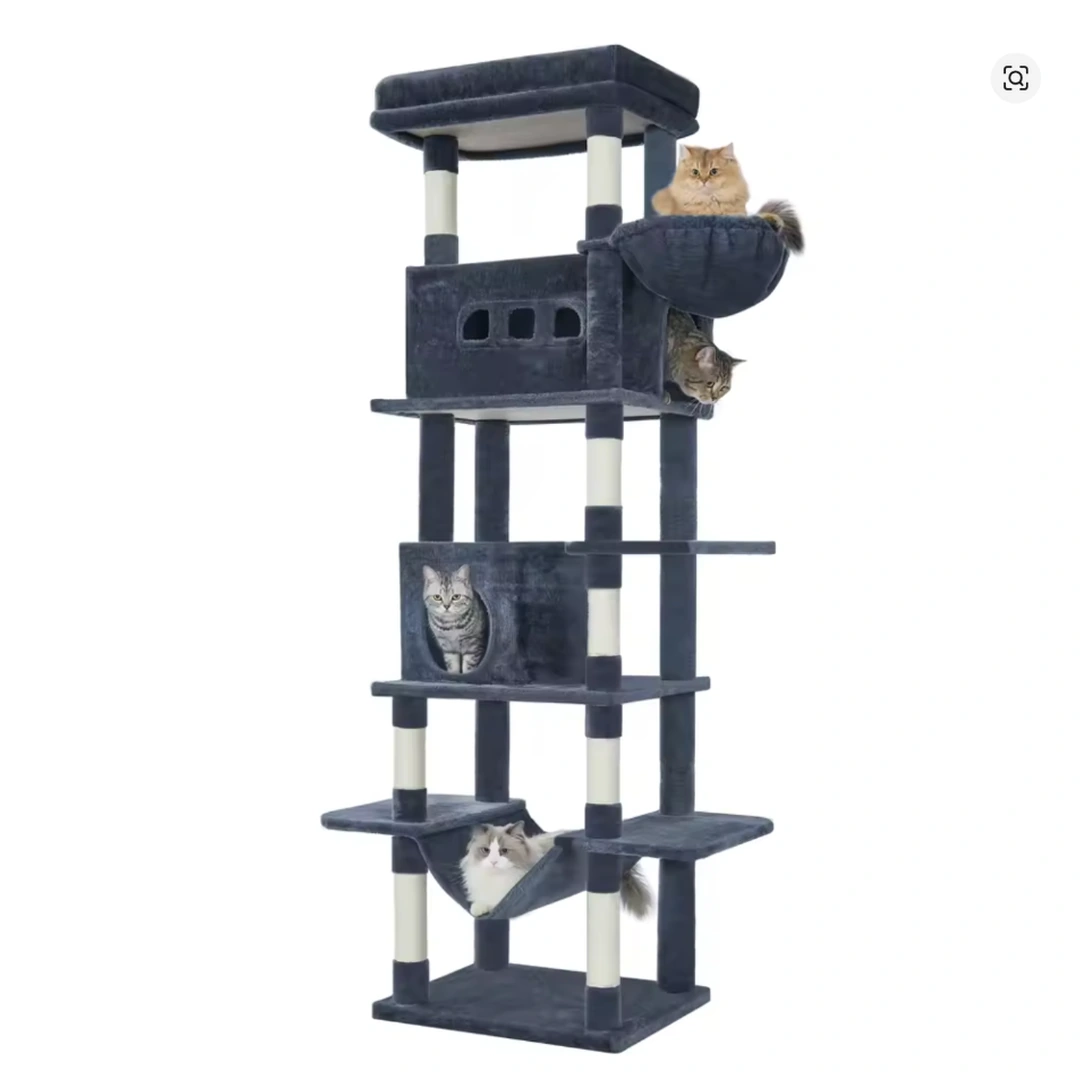
Installing a ceiling-height cat tree held in place by tension is not simply a matter of turning a knob until you feel resistance. Its stability depends on the supporting surfaces, the adjustment range and compliance with the manufacturer's instructions. Before allowing your cat to climb it, take time to check these points. The aim is to install the model under the specified conditions, then monitor how securely it remains in place during use.
Check the ceiling before choosing your ceiling-height cat tree
Start by identifying the ceiling material at the exact point where the upper support will sit. A painted surface tells you nothing about what lies behind it. A suspended ceiling, cladding or panel may conceal a different structure. Never judge whether these surfaces can withstand pressure on their appearance alone.
Consult the instructions to find out which supporting surfaces are permitted and which are excluded. If you have a false ceiling, a slope, mouldings or a delicate finish, ask the manufacturer for confirmation before buying. If the ceiling's composition remains uncertain, have a qualified professional identify it rather than attempting to apply tension.
Also examine the condition of the contact area: cracks, peeling, signs of moisture or deformation mean putting the project on hold until the situation is clarified. A wider pad or an added board will not make an unsuitable surface compatible. Any additional layer between the support and ceiling must be expressly permitted by the instructions.
Measure the height and inspect both supporting surfaces
Measure the floor-to-ceiling distance at the proposed installation point, with the final floor covering in place. Compare this measurement with the range stated for your chosen model. The overall height shown in a photograph is not enough: you need to know the actual conditions under which the adjustment mechanism can be used.
Check the documentation for the permitted position of the adjustable rod and any reference marks specified. Do not try to gain extra height with an improvised spacer or an accessory from another model. If the installation falls outside the stated range, you need a different model, not a makeshift modification.
The lower supporting surface matters just as much as the ceiling. A thick rug, a soft surface or an uneven floor can change the way the base sits and the pressure over time. Check compatibility in the instructions. Identify any obstacles preventing proper contact by the upper plate, without randomly repositioning the supports.
Apply tension using the manufacturer's procedure
Before starting, find the instructions that correspond exactly to the model you received. Identify the adjustment system, locking components and any additional devices required. A tension-mounted model does not necessarily remove the need for other fixings. If a step is missing or seems unclear, ask the seller or manufacturer for an explanation.
Apply tension in the stated order, using the specified tools. Follow any reference marks or tightening criteria provided rather than substituting your own judgement. Tightening further does not guarantee a more secure installation: excessive pressure can damage the ceiling, the contact pads or the mechanism of the cat tree itself.
Check alignment and contact at the supporting surfaces using the method specified in the instructions, then engage the required locking mechanism. Do not use your cat to test the installation, and do not hang from the structure yourself. Keep the area inaccessible to your cat until all checks are complete and any problems resolved.
Plan checks rather than tightening blindly
As soon as installation is complete, record the date and keep the instructions to hand. Add the manufacturer's prescribed checks and any required retightening to your calendar. There is no universal schedule suitable for every model: the mechanism and the conditions at the supporting surfaces determine which instructions are relevant.
At each check, inspect the components identified in the instructions, particularly the upper and lower contact points and the locking mechanism. Look for shifting, unusual play, a displaced pad or a new mark on the ceiling. A discreet visual reference can help with comparisons, but never replaces the technical checks required.
After moving the cat tree, work on the floor or ceiling, or any change to the assembly, repeat the specified checks before use. If a support slips, the ceiling develops marks or tension no longer holds, prevent access. Do not automatically compensate by tightening further: first have the cause clarified.
Let your cat explore a checked installation
Once the installation has been checked and approved for use, let your cat approach freely rather than placing it on the highest perch. The AAFP and ISFM feline environmental needs guidelines (2013) recommend, among other things, hiding places, elevated perches, separate resources, scratching opportunities, familiar scents and respectful interactions with cats.
These recommendations explain the value of height for cats, but do not validate a ceiling or a tension system. Keep the distinction clear: the layout meets your cat's needs, while technical compatibility is governed by the manufacturer's documentation. Keep your cat's other resources accessible while it explores the new installation.
Watch the first uses without encouraging jumps to test how securely everything holds. Any mechanical problem warrants stopping access and following the manufacturer's instructions. Consult a vet for any sign of pain, limping, a fall, parasites or a change in behaviour. Adjusting the tension is no substitute for that advice.
VEYRULIS is preparing a 210 cm multi-level tall tower cat tree, still at the draft stage and not yet for sale. Its price has not been approved, and its colour variant remains to be confirmed. Do not assume it is compatible with ceiling tension mounting: the specifications and securing method must be checked in the instructions for the model delivered.
Sources and further reading
This advice is for information only and does not replace your veterinarian's opinion.