
Automatic litter waste bin: maintenance without losing perspective
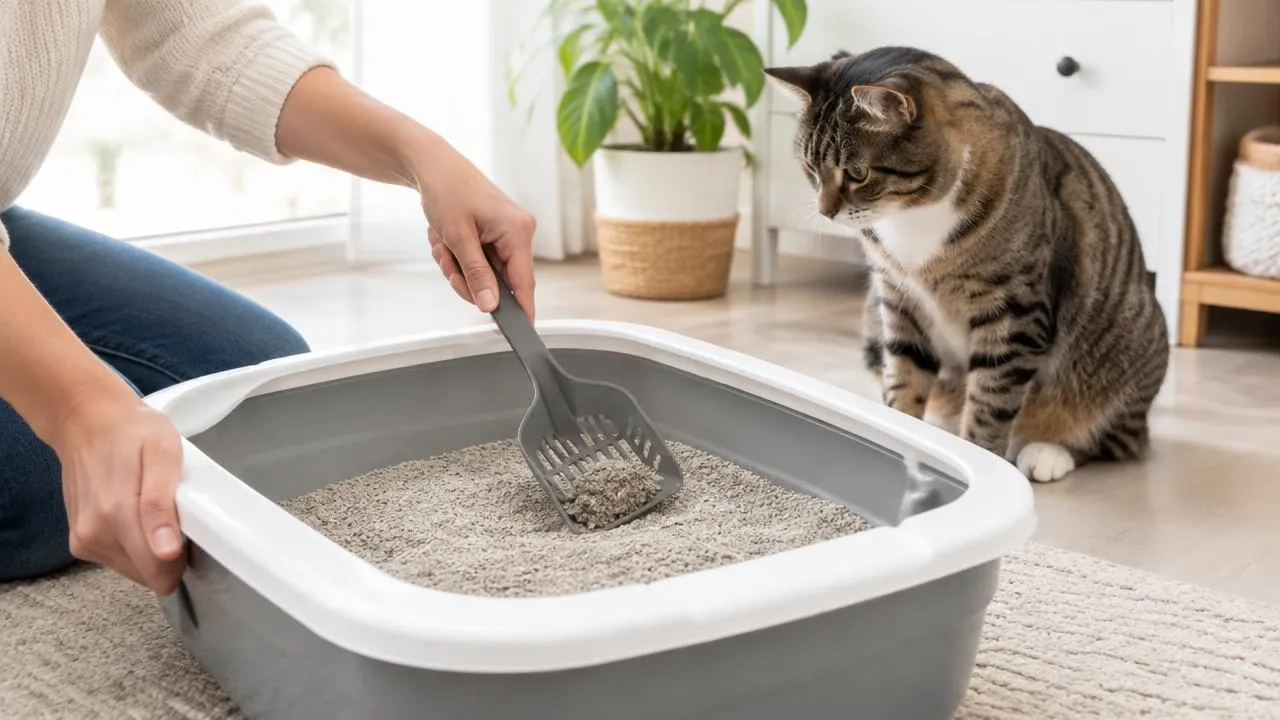
The automatic litter waste bin raises practical questions: how to access it, when to empty it, and what should be monitored? Technical answers belong to the specific model documentation. Veterinary sources remind us why toilet management remains a regular task. The aim is not to turn the drawer contents into a diagnostic tool, but to maintain a routine and focus on the cat, without assuming unproven capabilities.
Identifying the compartment and relevant instructions
Before establishing a routine, identify where opening, closing, and intervention procedures for the collector are described. Check the exact model manual for the stated capacity, emptying procedure, and any required accessories. A compartment visible in a photo does not explain these modalities. Do not assume any particular airtightness or duration of use without documentary confirmation. Seek direct manufacturer guidance to ensure safe and proper operation of the unit.
Keep useful distinctions in your notes: the area where the cat eliminates, the zone where waste is collected, and which parts are authorised for washing. These questions must be clarified with the manufacturer, as there is no universal design. When terms used in a commercial sheet are ambiguous, ask what each instruction applies to before turning it into a domestic habit. Clarity ensures the machine's longevity.
Building a routine that does not rely on promises
AAFP/ISFM guidelines advise removing waste at least once daily and adding substrate as needed. They specify that no product eliminates regular tray maintenance. These principles provide a framework for cleanliness; they do not provide a universal emptying frequency for automatic device compartments, which must be sought in their specific manuals. Maintenance remains a human responsibility to ensure a hygienic environment for the resident cat at home.
Rather than adopting a number of days presented without context, establish the checks required for your model and include them in your schedule. Who checks the bin status? Who performs authorised operations? Where is the procedure kept? These simple questions allow for tasks to be shared without promising that a device could remain forgotten for a given period. Responsible monitoring prevents mechanical failures and hygiene issues.
For multiple cats, add observation of individual usage patterns. AAFP/ISFM recommendations explain that social relationships influence toilet access and some individuals may block others. The contents of a shared collector do not tell these stories. Also watch the approaches, waiting behaviours, and exits, instead of only focusing on the fill level. Understanding feline social dynamics is essential for managing a multi-cat household effectively every day.
Distinguishing bin cleaning from device maintenance
The AAFP/ISFM text recommends washing trays with soap and hot water, avoiding strong products or ammonia. It suggests washing every one to four weeks for standard trays. These general indications do not constitute permission to wash any machine part. For the specific compartment, research the materials, methods, and precautions explicitly permitted by the manufacturer. Misusing chemicals can damage sensors or plastics and potentially harm your pet.
The same caution applies to liners and other accessories. Veterinary recommendations advise against floor liners in the tray used by the cat; this does not describe technical accessories for a separate collector. Do not confuse these two subjects. Check the exact model manual for required consumables, without improvising a replacement based solely on appearance. Using incorrect liners could interfere with the internal mechanical rotation or waste sensors.
Keeping useful observation without interpreting waste
The MSD Veterinary Manual describes several urinary signs: straining, increased frequency, blood presence, and urinating outside the box. These elements concern the animal and what it produces, not an automatic evaluation of the compartment. If you notice a change, describe it with the observed circumstances. An impression regarding the waste does not identify the underlying disease. Always consult a professional for a proper medical diagnosis and treatment.
According to the same manual, different causes can produce lower urinary tract signs. Therefore, avoid concluding it is an infection, stones, or cystitis based on the collector's appearance. The vet uses clinical procedures to explore these possibilities. Your role is to report changes and behaviours without waiting for the bin to provide a certain explanation. Early reporting of symptoms often leads to better outcomes for your cat.
Reviewing the entire setup in case of refusal
A maintained litter box may still not suit a cat. AAFP/ISFM guidelines highlight individual substrate preferences, dimensions, and ease of access. They also note that smells in a covered tray can lead to avoidance. Before adding a fragrance or accessory, re-examine the toileting conditions as a whole. Ensure the location is quiet and accessible. A cat's refusal is often a signal of discomfort or stress.
The guide specifically advises against deodorising powders and reminds us that aromatic scents can be off-putting. A quest for cleanliness should not become a quest for perfume. In case of eliminations elsewhere, contact your vet: authors recommend exploring medical reasons and environmental factors. The waste compartment is only one element of this broader investigation. Professional advice is necessary to address inappropriate urination and ensure feline health.
Accessoires Chat is preparing a connected automatic litter box with a rounded design, which is not yet available for sale. Its final price has not been validated and the image used serves only as an illustration. Specifications, including those for the waste compartment, must be confirmed via the official user manual. No specific capacity or emptying frequency is officially announced at this development stage.
Sources and further reading
- AAFP and ISFM Guidelines for diagnosing and solving house-soiling behavior in cats (Journal of Feline Medicine and Surgery, 2014)
- Manuel vétérinaire MSD — Lower Urinary Tract Disease in Cats
This advice is for information only and does not replace your veterinarian's opinion.