
Changing Your Cat’s Diet: Preparing a Thoughtful Transition
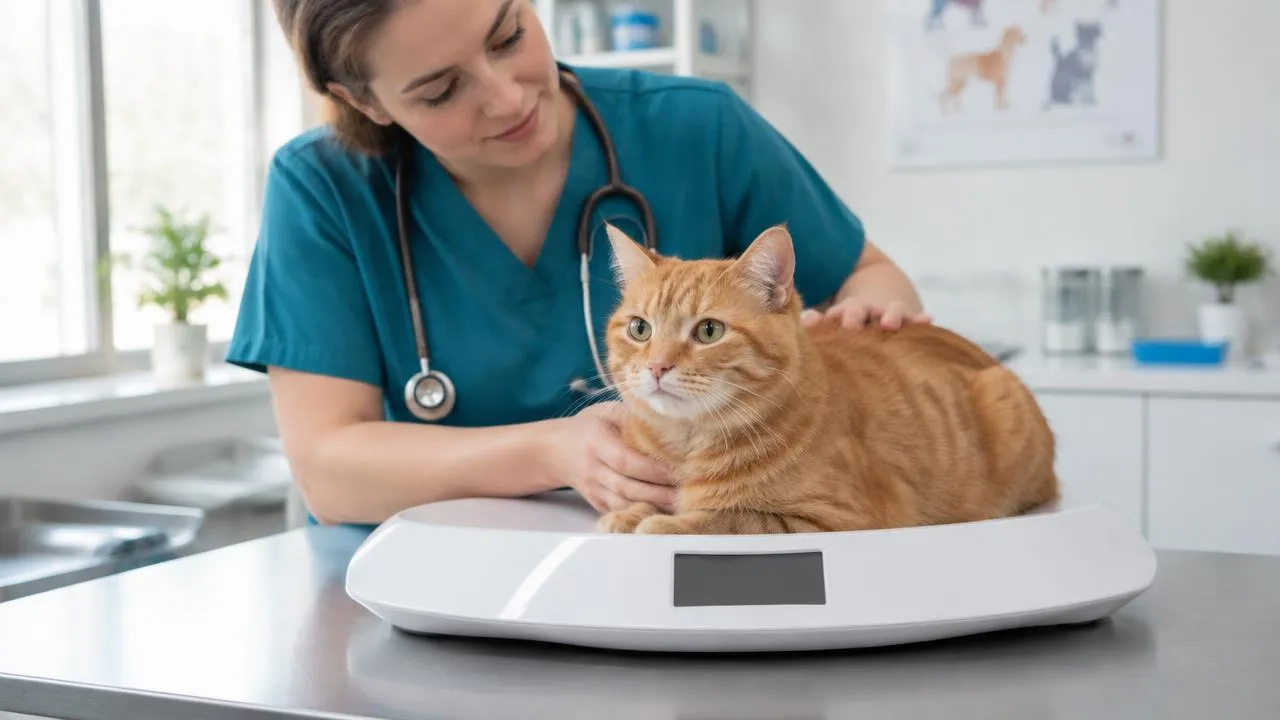
Changing what a cat eats can stem from a practical household choice or specific health advice, but the most suitable approach always depends on the individual animal. The AAFP document places clear emphasis on individual nutritional requirements and the importance of monitoring the quantity actually consumed. Before altering an established routine, clarify the underlying reason with your veterinary surgeon, then observe whether your companion willingly accepts meals and maintains normal behaviour. The aim is to establish dependable benchmarks rather than impose a universal model. Every household can evaluate available resources, their cat’s habits, and practical constraints, subsequently reviewing daily organisation whenever direct observations suggest it is justified.
Understanding Existing Feeding Habits
Before making a change, clarify the motivation: personal preference, family logistics, or health-related advice. Nutritional choices depend on your cat’s needs; veterinary guidance is indicated whenever food addresses a medical condition or specific life stage. A visible feeding schedule can help household members coordinate their efforts, particularly when several people manage meals. It is helpful to note precisely what was served and what was genuinely eaten, rather than simply refilling the bowl throughout the day without recording consumption.
The AAFP consensus statement distinguishes the dietary content of food from the environmental manner in which it is offered. Switching to a new diet does not automatically resolve physical access issues, inter-cat competition, or an unsuitable feeding setting. Examine these elements separately to identify which challenge you are attempting to address. Consider whether your cat has a quiet retreat space after eating. Being able to move away peacefully without crossing paths with another pet can influence overall household harmony. Observations remain individual and must be interpreted with sensible caution.
Assessing Space, Equipment, and Access
Keep an accurate record of current habits and the exact amount of food consumed each day. These baseline notes will facilitate discussions with your veterinary surgeon regarding the relevance of the transition and its ongoing monitoring. If your cat refuses their food or displays concerning behaviour, seek professional advice promptly without jumping to hasty conclusions regarding the cause. General advice cannot replace tailored guidance based on your pet’s clinical record. A cat’s age, physical condition, and bespoke requirements can alter appropriate choices. Ensure any dietary decision prompted by a medical concern is validated by your veterinary team.
Energy requirements and daily portion sizes should be discussed with the veterinary team. Consensus recommendations encourage clinicians to advise on targeted daily intakes and help owners select an accurate measurement method. A digital kitchen scale or graduated measuring container can aid monitoring consistency. When comparing intake over multiple days, keep environmental conditions as constant as possible. A dated description helps you detect gradual trends and share factual information without exaggeration. Never delay seeking clinical input to complete a log if your companion’s condition causes concern.
Organising Daily Feeding Routines
The way food is distributed can also evolve: smaller meals, separate zones, or interactive foraging activities. The AAFP recommends providing several small meals distributed throughout the day, describing puzzle feeders as an enrichment option that can be introduced in a straightforward, manageable fashion. A simple, consistent organisation is often easier to sustain than an overly complex arrangement. Regularly check that bowls, puzzle devices, and automated equipment remain clean and functional, in accordance with manufacturer guidelines. The manual for the exact model remains the definitive reference for ongoing maintenance.
Take into account any other animals sharing the home. A shared food bowl complicates tracking individual consumption and can make feeding stressful for a cat seeking to avoid housemates. Separate stations, positioned out of direct sight, can be considered. Remember to inform the veterinary professional of all foods offered and how each is measured. These details prevent vague guesswork and allow for an informed assessment of total daily intake. Avoid introducing nutritional restrictions without advice if you are uncertain about your pet’s needs.
Monitoring and Adjusting Methodically
Observe your cat closely following any change in feeding arrangements: initial acceptance, unconsumed leftovers, physical access, and social interactions. While this attentive monitoring does not replace veterinary care, it provides a concrete foundation for fine-tuning the plan and flagging difficulties early on. A puzzle feeder is not necessarily suited to every cat or every household situation. The goal is to provide an accessible, engaging activity without making essential food difficult to obtain. Re-evaluate use if the animal appears frustrated or cannot manage to feed.
Dry kibble and wet food are not interchangeable across all puzzle designs. Consensus statements note that different models suit different food textures. Practical details should be verified with the manufacturer, and nutritional questions with your veterinary surgeon. Equipment and programmable settings vary between brands. Before relying on automated timers, review the specific product instructions and test the device while present with your cat. Direct observation remains essential to verify that the feeding arrangement operates reliably in practice.
At Accessoires Chat, a black automatic kibble feeder with Wi-Fi connectivity is currently in development and is not yet available for purchase. Its price has not been finalised, and all imagery is purely illustrative. Specific features and characteristics remain subject to confirmation on the manual provided with the physical model actually supplied.
Sources and further reading
This advice is for information only and does not replace your veterinarian's opinion.