
Why Does My Cat Drink Out of My Glass? Reasons and Solutions
You place your glass of water on your nightstand, and only a few minutes later, your cat has dipped their nose or paw directly into it. This behavior is remarkably common among felines. If you find yourself wondering why your cat drinks out of your glass, rest assured it is not merely a random whim: this habit provides genuine insight into what they expect from their drinking water. Here is an explanation of this behavior and practical solutions to address it.
Water Perceived as Fresher and Safer
Observing the exact way your cat drinks from your glass gives you valuable clues to improve their own water station.
A freshly poured glass contains cool water free from dust or floating fur, often noticeably fresher than a bowl left sitting out for hours. For an animal equipped with a very keen sense of smell, this difference is immediately apparent.
Your glass also sits in an elevated position on a table or nightstand, a spot where a cat feels safe and can comfortably keep an eye on the entire room.
Yet the shape of a standard glass is not always comfortable: many cats dip a paw inside and lick it clean to prevent their sensitive whiskers from rubbing against the rim.
This gesture often suggests that your pet finds their own bowl unappealing, whether because it is too narrow, poorly positioned in the house, or simply not refreshed frequently enough.
Curiosity and Social Attachment
Cats are naturally drawn to what belongs to you and the daily routines you follow. Your glass carries your familiar scent and forms part of your everyday habits, which naturally makes it intriguing to your pet.
Certain cats have also realized that dipping a paw into your glass instantly earns your undivided attention. If you react every time it happens, the behavior can easily transform into a rewarding game for them.
In an understimulated cat that experiences regular boredom, especially when living strictly indoors in an apartment, this type of behavior tends to occur much more frequently.
A cat that receives plenty of stimulation through daily interactive play sessions is far less likely to seek out these small everyday provocations around your living space.
Is This Habit a Problem?
For your cat, drinking a small sip of plain water from your glass is not dangerous in itself. However, you must remain very cautious with other drinks: alcohol, coffee, tea, sodas, and sweet juices should never be accessible, as alcohol and caffeine are strictly toxic to cats.
Be equally watchful with medications or effervescent tablets dissolved in a glass: common human treatments such as paracetamol are exceptionally dangerous and can prove fatal to felines even in tiny amounts.
For basic hygiene and personal comfort, it is best to avoid drinking from the same glass once your pet has dipped their mouth or paws into it.
If you ever suspect that your cat has ingested any medication or toxic drink, contact your veterinary clinic or an animal poison hotline immediately.
Making Their Own Water More Appealing
Setting up a wide tumbler or clear glass bowl near your nightstand can also work well: it provides the freshness and elevation your pet looks for, inside a dedicated dish that you wash every day.
Offer a wide, shallow bowl filled right to the top so their sensitive whiskers do not touch the rim. Change the water at least once a day and wash the bowl regularly with mild soap.
Place a water source up off the floor, such as on a sturdy shelf or low piece of furniture they frequent, if that elevated height is where they prefer to drink.
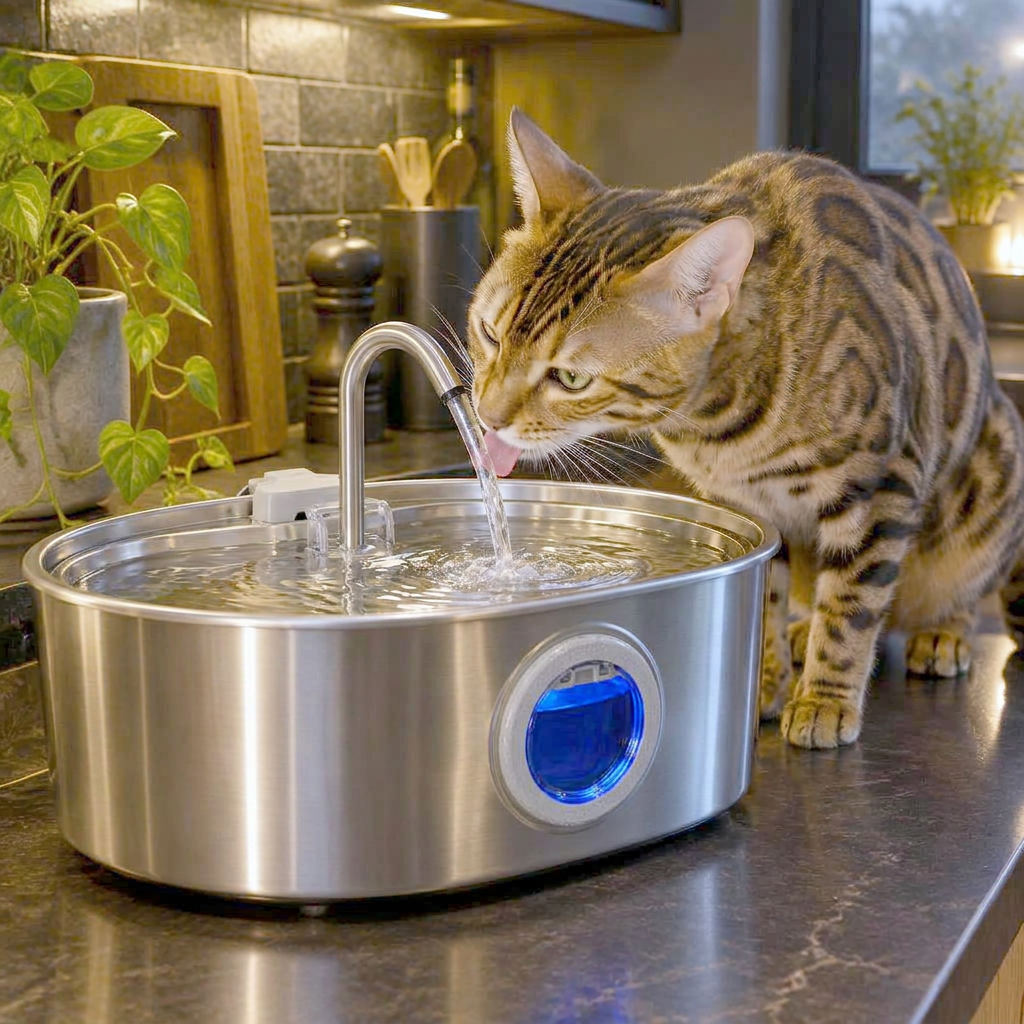
Running water from a pet fountain appeals to many felines and can successfully redirect their natural curiosity away from your personal drinking glass.
Protecting Your Glass Without Frustration
During meals or desk work, keep glasses out of reach or serve your cat fresh water in their bowl at the very same moment, giving them far less incentive to target yours.
If the behavior persists, provide extra playtime and elevated resting spots: a well-occupied cat in an enriched environment will feel far less need to seek your attention in this manner.
Use a reusable bottle or a glass with a secure lid on your nightstand and desk. The problem disappears cleanly without creating any household conflict.
Never scold or abruptly chase your cat away, as they might associate hydration with a negative experience. Instead, calmly redirect them toward their own designated water bowl.
Reward your cat with a gentle stroke or affectionate word whenever they choose to drink from their usual spot.
When to Consult Your Veterinarian
Note when this behavior first began and whether it is accompanied by other physical changes: these details help your veterinarian guide their examination.
If your cat suddenly begins seeking water everywhere—from glasses, kitchen faucets, and toilets—they may be drinking significantly more than before. Increased thirst can signal kidney disease, feline diabetes, or hyperthyroidism.
Measure their fluid intake over several consecutive days and keep an eye on their litter box. If you notice a clear increase, make an appointment with your veterinarian.
On the other hand, a longstanding, stable habit in an otherwise healthy cat simply reflects their individual preferences.
If you want to provide running water, the Veyrulis fountain combines a 3.2-liter SUS 304 stainless steel reservoir, filtration that captures hair and impurities, quiet operation, and an illuminated window to monitor the water level. It does not replace an appropriate diet or your veterinarian's advice.
Sources and further reading
This advice is for information only and does not replace your veterinarian's opinion.