
The Hunter Cat and Frequent Small Meals: Adapting the Food Bowl
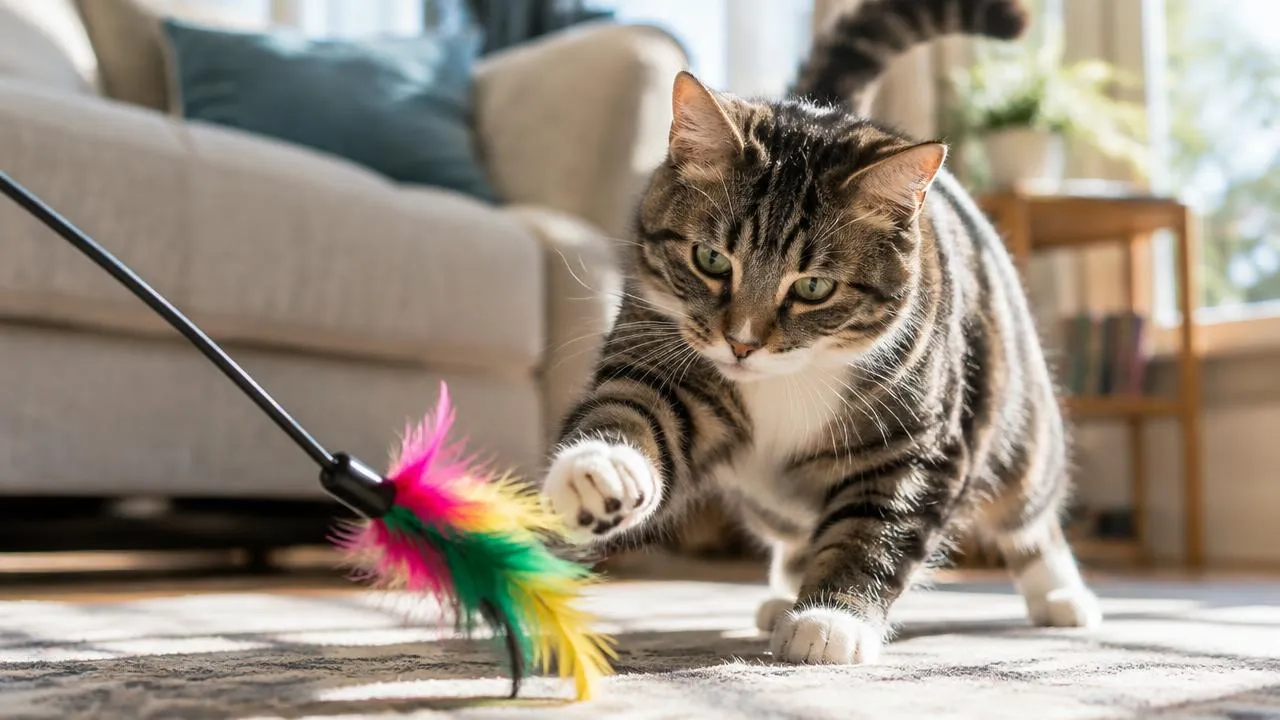
The phrase 'hunter cat and frequent small meals' encapsulates a behavioural reality that is invaluable when considering domestic feline nutrition. The consensus statement from the AAFP emphasises that the cat is a solitary predator, naturally adapted to catching small prey and eating multiple times across the day. This does not mean increasing daily calories or offering unrestricted free-choice food without careful planning. Instead, it involves dividing the recommended daily ration into smaller portions and providing appropriate opportunities for the cat to search for and obtain its nourishment.
Lessons from the Feline Hunter's Natural Lifestyle
The domestic cat retains a marked and active hunting instinct across many individuals. In natural conditions, securing small prey items demands repeated bouts of searching, stalking, and capturing. In the domestic home, simply placing food directly into a feeding bowl eliminates every one of these instinctive behavioural stages.
Hunting is not simply equivalent to begging for food. Monotony and boredom can make eating an especially attractive pastime, thereby encouraging overconsumption. It is therefore sensible to satisfy the cat's need for physical and mental engagement without exceeding the recommended daily nutritional allowance.
Indoor cats generally rely entirely on their owners for daily sustenance and may have limited opportunities to hunt or forage. The consensus statement outlines environmental strategies that enable the expression of normal feline behaviours in domestic settings.
Distributing Daily Rations into Frequent Small Portions
Dividing the total daily food allowance into several smaller meals distributed over twenty-four hours is an explicit recommendation of the AAFP. This approach aligns naturally with the cat's preference for frequent small meals, whilst maintaining careful control over the total quantity offered.
There is no rigid number of meals mandated for every individual cat in this reference guideline. The feeding timetable should suit the household routine and the cat's unique requirements. An automated dispenser can help schedule meals when owners are away, though it does not usually provide foraging activity on its own.
A digital kitchen scale is ideal for accurately weighing dry food; the consensus statement also mentions measurement by volume, whilst noting the potential inaccuracies inherent in measuring cups. Owners can regularly compare the portion offered with any leftovers remaining after a set period.
Introducing Foraging and Search Activities
A dedicated food-dispensing puzzle toy requires the cat to physically manipulate an object to release its food. These foraging puzzles are available in diverse shapes and varying levels of complexity; some remain stationary on the floor, others roll unpredictably, and certain models accommodate different types of food.
Creating a homemade kibble puzzle can provide an accessible, practical starting point. The consensus indicates that homemade enrichment items can be simple and inexpensive to assemble, without requiring any specific or rigid design.
Hiding dry food to stimulate your cat involves placing modest portions in new or varied locations around the home. The animal explores and uses its acute senses to locate the food. These hiding spots must remain safely accessible, and the quantities must be measured beforehand.
Creating a Calm and Secure Feeding Area
Even a cat that seems sociable may prefer to dine without being pressed against another animal. Feline social dynamics are subtle: some individuals choose to interact closely, others actively avoid one another, and territory and resources are not always shared equally.
Competition around food can lead to territorial friction or rushed eating. A cat that bolts its ration may be attempting to escape a stressful encounter quickly. Slowing the cat down with a feeder is not always enough; you must also evaluate the location, the presence of other pets, and overall access to resources.
Set up feeding stations in calm areas where cats feel genuinely safe, positioned well away from their litter trays. The AAFP recommends establishing multiple feeding locations that are visually separated from each other in households with more than one cat.
Monitoring the Effects of the New Routine
Before introducing changes, record your cat's usual meal times, feeding spots, and the quantities actually consumed. This method allows you to assess the feeding plan objectively rather than relying merely on your cat's vocal demands.
Introduce any food puzzle at an easy level of difficulty. Observe whether the cat understands how it works, stays engaged, and eats the food provided. If the cat gives up, return to a simpler option rather than persisting.
Body weight and overall condition require regular monitoring, particularly in senior cats, frail animals, or those with specific health needs. Ask your veterinary team for guidance on adjusting food amounts and measurement techniques. Combining divided meals, foraging opportunities, and well-chosen feeding stations allows us to respect the hunter cat without assuming that all cats share identical appetites or activity levels.
A typical feeding day might combine portions served in a bowl, a ration inside a puzzle toy, and a brief foraging game in the room. This variety does not require altering your entire routine at once. Keep track of what has been offered, and ensure your cat can complete each activity without disturbance.
The black automatic kibble dispenser with Wi-Fi offered by Accessoires Chat is currently in preparation and has not yet been launched. Its price has not been confirmed, and the image displayed is purely illustrative. Final technical specifications should be checked against the user manual of the model delivered upon release.
Sources and further reading
This advice is for information only and does not replace your veterinarian's opinion.