
Traveling with a Cat: How to Manage Water and Hydration on the Journey
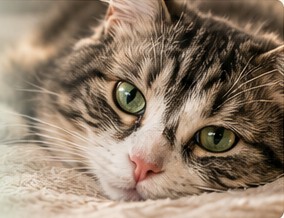
Whether you are heading off on vacation, moving to a new home, or visiting family, traveling with your cat is sometimes unavoidable. Journeys are often a source of stress for feline companions, and managing hydration quickly becomes a central concern, particularly on long trips or in hot weather. Here is practical guidance on how to manage water before, during, and after your journey so your cat travels comfortably.
Preparing for the Journey in Advance
Get your cat accustomed to their travel carrier several weeks before departure. Leave the crate open in a common living area, lined with a familiar blanket and a few treats, so it becomes a comforting haven rather than an alarming sign of an unpleasant event.
If your cat suffers from severe travel anxiety or motion sickness, discuss this with your veterinarian before leaving. They can suggest tailored, safe solutions. Never give your cat human medication, even a mild sedative, as many everyday drugs are toxic to felines.
For international travel, research official health requirements well ahead of time with your veterinarian. This typically includes microchip identification, rabies vaccinations, and appropriate pet passports or veterinary health certificates.
Prepare a dedicated pet travel kit: pack a water bottle, a collapsible travel bowl, several portions of their normal food, waste bags, gentle cleaning wipes, and an absorbent pad for the bottom of the carrier.
Food and Water Before Departure
It is generally advisable to offer a light meal several hours before leaving rather than right before the trip, which minimizes the risk of nausea and vomiting while in transit. Your veterinarian can advise on the ideal timing for your cat.
Drinking water, however, should remain freely accessible right up until departure. A cat that starts the journey properly hydrated is far better equipped to cope with environmental stress and warm temperatures.
For kittens, senior cats, or felines with health conditions like diabetes or kidney disease, consult your veterinarian beforehand. Fasting or restricting water can present significant health risks for these sensitive pets.
Offer fresh, cool water shortly before placing your cat into the carrier, allowing them to drink voluntarily without forcing them.
Offering Water During the Trip
On short journeys lasting only a couple of hours, most cats do not need to drink, and many will refuse fluids anyway due to stress. This temporary reluctance is completely harmless on a reasonable journey.
On long car journeys, plan regular stops every two to three hours. Offer fresh water in a small bowl inside the securely closed vehicle, never opening the carrier while car doors are open, as a frightened cat can escape in an instant.
A small travel bowl secured to the carrier door allows your cat to take a few sips during the ride. Only fill it halfway to prevent water from splashing over bedding while you drive.
Placing an ice cube in the bowl lets water melt slowly, providing a steady moisture source without soaking the carrier.
The Danger of Heat in the Car
Never leave your cat alone in a parked car, even for a few minutes and even with windows cracked open. Cabin temperatures can climb rapidly and trigger fatal heatstroke.
Throughout the drive, maintain a comfortable vehicle temperature, making sure the carrier is fully shielded from direct sunlight. Whenever possible, avoid traveling during the hottest hours of the day in summer.
A cat that pants with an open mouth, drools, acts restless, or becomes completely lethargic may be suffering from heat distress. Stop in a cool spot, offer water, gently cool their fur with fresh water, and contact a veterinarian.
Open-mouth panting in cats is never normal behavior, unlike in dogs. It should always be treated as an urgent warning sign.
Specific Advice for Trains and Planes
On trains, cats must usually remain inside their carrier throughout the trip. Take advantage of quieter moments during the journey to offer a little water without opening the door completely.
For air travel, regulations vary between airlines. Inquire well in advance about pet transport policies, approved carrier specifications, and options for securing an attachable water bowl inside the kennel.
In busy public spaces like stations and airport terminals, keep the carrier locked securely at all times, and confirm your cat's identification details are accurate and fully up to date.
Placing a familiar blanket carrying the scent of home inside the carrier provides comfort and helps your cat remain calm during travel.
Arrival: Helping Your Cat Settle In
Upon arrival, settle your cat in a quiet room equipped with fresh water, food, a clean litter tray, and a cozy hiding place. Offer fresh water first, followed by a light meal.
If possible, bring along their familiar food and water bowls, or their home fountain, as well as familiar water, because unfamiliar tastes or strange dishes can discourage a cautious cat from drinking.
It is normal for cats to eat and drink very little during their first hours in a new environment. However, if your pet refuses water or food for over 24 hours, vomits repeatedly, or stops urinating, consult a local veterinarian immediately.
Locate an emergency veterinary clinic near your destination ahead of time so you do not lose precious time should your cat require professional medical attention.
If you wish to provide moving water, the Veyrulis fountain combines a 3.2-liter SUS 304 stainless steel reservoir, filtration that captures hair and impurities, quiet operation, and a luminous window to monitor the water level. It does not replace an appropriate diet or the advice of your veterinarian.
Sources and further reading
This advice is for information only and does not replace your veterinarian's opinion.