
Cat Water Fountain While on Vacation: How to Plan Ahead
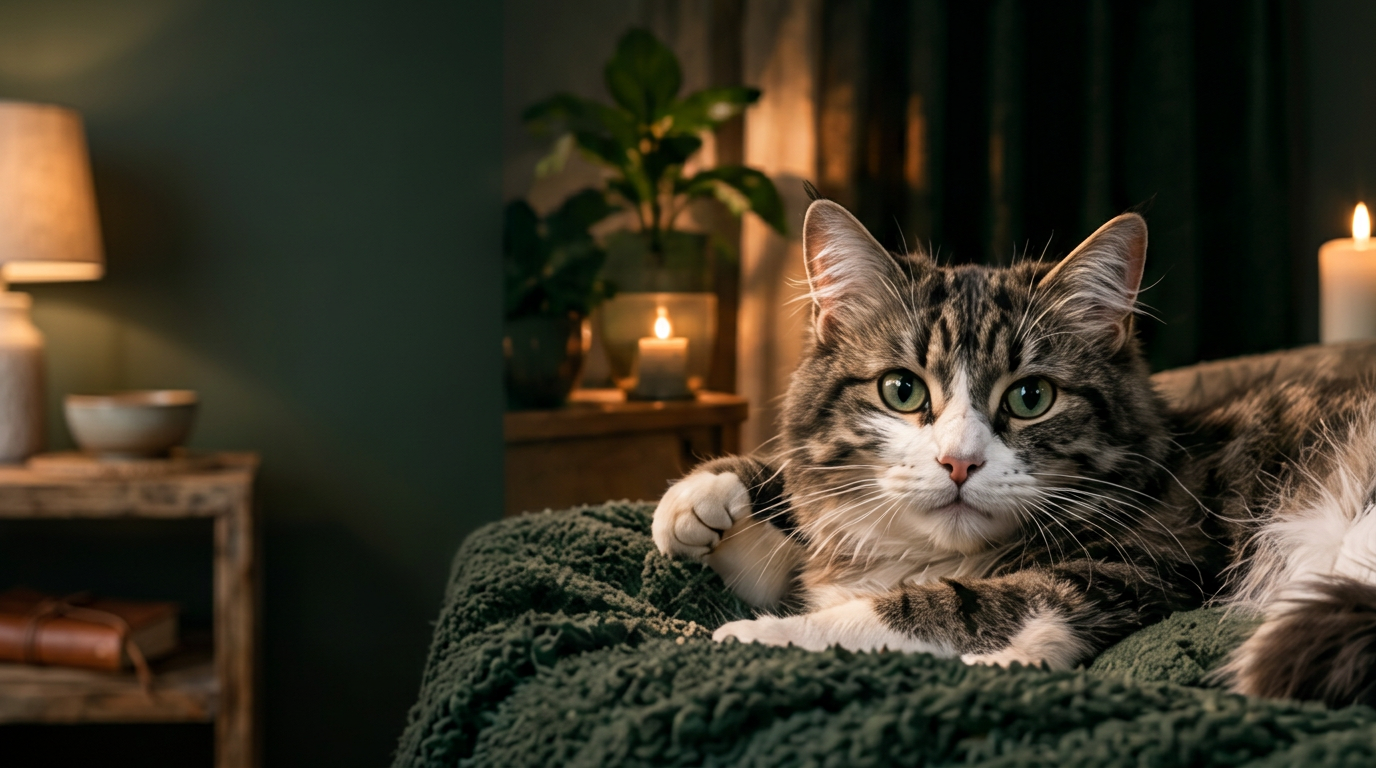
Planning a weekend away or a longer vacation while leaving your cat at home makes hydration an absolute priority. A cat water fountain while on vacation can certainly help with its generous reservoir and filtered flow, but an automated appliance is never enough on its own. Here is how to prepare so your cat always has fresh, clean, and sufficient water while you are away.
A Water Fountain Cannot Replace Human Presence
A cat left alone for several days can quickly suffer from boredom, stress, or an unnoticed domestic accident. A daily visit from a neighbor, friend, or professional pet sitter provides an essential level of safety, interaction, and care that neither an electric fountain nor an automatic feeder can ever supply.
Even equipped with a generous reservoir, an electric fountain remains a mechanical device that can suffer a power cut, clog with fur, or empty faster than anticipated. A solitary cat without anyone checking in faces an immediate, serious risk of running completely out of drinking water.
Animal welfare charities and veterinarians advise that someone should visit at least once a day, or at minimum every two days during very short trips, to inspect water supplies, replenish food, clean the litter box, and evaluate your cat's general health.
A pet fountain is therefore a valuable hygiene supplement, but it can never be treated as an independent pet-sitting solution.
Estimating the Necessary Water Reserve
Write down your calculated figures clearly and leave them for your caregiver to review during visits.
An adult cat requires roughly 40 to 60 ml of total water per kilogram of body weight daily, including dietary moisture. Cats eating dry kibble drink a much larger share from bowls, and warm summer weather naturally speeds up evaporation.
If you share your home with multiple cats, multiply this baseline accordingly. A few days before leaving, measure how much water your fountain actually loses over twenty-four hours to establish the most reliable estimate for your household.
Always maintain a generous safety margin in your calculations. It is far better to leave an excess of clean water than to risk running short during an unexpected travel delay.
Preparing the Fountain Before Departure
Keep a spare filter, the instruction manual, and a short note explaining pump disassembly within easy reach. If an issue occurs, your pet sitter can intervene quickly without having to call you.
On the day before you leave, thoroughly clean the entire fountain, including the pump, and insert a fresh filter. A spotless fountain stays fresher and resists bacterial biofilm far better across several days without daily scrubbing.
Fill the fountain to its maximum line and monitor it for a few hours to ensure normal operation. Never introduce a brand-new model on departure day, as your cat must already be familiar with it.
Position the fountain away from direct sunlight, radiators, and heating vents. This simple precaution reduces water evaporation and discourages the warm environment that promotes slimy bacterial growth.
Setting Up Multiple Backup Water Stations
If your cat loves flowing streams and ignores still dishes, get them used to drinking from regular bowls alongside the fountain a few weeks before your departure. This provides a fallback solution they already accept.
Set out at least two extra bowls of fresh water in separate rooms, far from litter trays. If the fountain stops running unexpectedly, your cat will still have immediate access to moisture.
Choose heavy ceramic or stainless steel bowls that cannot tip easily. An active cat playing with water can overturn a lightweight bowl and lose an entire reserve in minutes.
Close bathroom toilet lids and put away cleaning detergents securely. A cat running short of water may drink from hazardous sources, risking chemical poisoning or bacterial illness.
Clear Instructions for the Pet Sitter
Ask your sitter to send a brief message or photograph during every visit. This offers ongoing reassurance and alerts you immediately if your cat's behavior or mood changes.
Leave clear written guidelines: confirm the fountain is running, top up water levels, refresh still bowls, clean the litter tray, and observe your cat's general physical condition.
Provide your vet's contact details and highlight warning signs: refusing food or water, persistent hiding, vomiting, or repeatedly visiting the litter box with little urine. Straining to urinate is a critical veterinary emergency, especially in males.
Take time before leaving to show your caregiver how to refill the reservoir properly and where replacement filters and supplies are stored.
Special Circumstances to Anticipate
Elderly cats, pets with chronic conditions such as kidney disease or diabetes, and those on regular medications must not be left alone for several days. Consult your vet to arrange professional boarding or medical in-home sitting.
During hot summer weather, feline hydration needs increase while water evaporates much faster. Keep shutters closed, maintain access to cool rooms, and increase the number of water stations around the home.
Upon returning home, watch your cat closely for a few days. Any sudden change in appetite, thirst, or bathroom habits warrants prompt veterinary advice.
If you wish to provide moving water, the Veyrulis fountain features a 3.2-liter SUS 304 stainless steel reservoir, filtration that captures hair and impurities, quiet operation, and an illuminated window to monitor the water level. It does not replace an appropriate diet or the advice of your veterinarian.
Sources and further reading
This advice is for information only and does not replace your veterinarian's opinion.