
Cat Water Fountain Stopped Working: Troubleshooting Steps and Quick Fixes
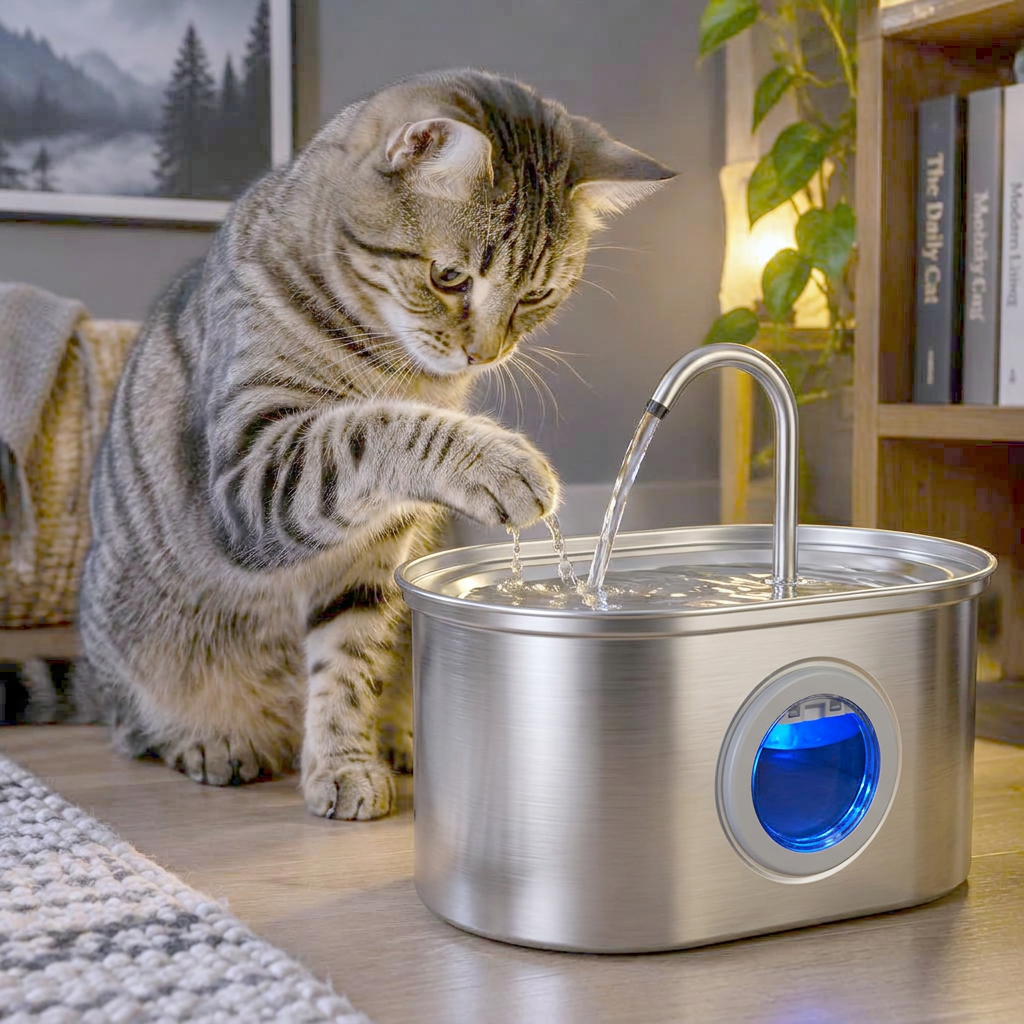
This morning, there is no trickling stream and no familiar humming sound: your cat water fountain has stopped working. Before replacing it, take a few minutes to carry out basic troubleshooting checks. In many cases, the cause is simple: a low water level, a clogged pump, or an electrical issue. Above all, think of your pet first: ensure they have access to fresh drinking water immediately.
Priority: Give Your Cat Fresh Water First
Before diagnosing any mechanical issue, fill a clean bowl with fresh water and place it near the fountain. A cat accustomed to moving water may snub a stationary fountain, where standing water quickly loses its appeal.
Keep this backup bowl accessible throughout the repair process, and ideally even afterwards. Maintaining a second drinking station in your home is always a sensible safety measure for feline hydration.
If your cat appears not to have drunk in a long time, seems lethargic, or displays abnormal urination, contact your veterinarian promptly without waiting for the fountain repair.
Check the Electrical Power Supply
If your pet fountain is plugged into a power strip with a switch, verify that it was not accidentally turned off during household cleaning. This simple oversight is a common reason for a sudden shutdown.
Start with the most basic check: does the outlet work? Plug in another device to test it. Ensure the adapter is pushed firmly into the socket and inspect the cord for bends, pinch points, or chewing damage.
On some fountain models, the power cable connects to the tank or pump through a separate plug. Check that this connector is completely dry and firmly seated.
A damaged power cable, particularly one showing marks from cat teeth, must be replaced entirely. Never attempt to repair an exposed low-voltage wire using electrical tape.
Check the Water Level
Air can occasionally become trapped inside the pump chamber after refilling the reservoir. Gently tilt the pump underwater or shake it lightly to dislodge the air bubble, then set it back flat. Water should resume circulating within seconds.
Many small fountain pumps will stall or unprime when the water level drops too low. Certain fountains even feature an automatic safety cutoff that stops the pump when liquid levels run low.
Fill the basin to the indicated level and wait a few moments. If water does not rise, unplug the unit and plug it back in to restart the pump.
If the water level drops unusually fast, inspect the base for leaks and check whether your cat or dog is emptying the reservoir while playing.
Inspect and Clean the Pump and Filter
Take a moment to smell the water and inspect the basin walls. Any unpleasant odor or slimy coating indicates that a thorough cleaning is required before returning the fountain to service.
Unplug the fountain, remove the pump, and take off its cover. Cat hair wrapped around the impeller or limescale buildup can block rotation. Clean these parts with a small brush and diluted white vinegar if needed, then rinse thoroughly.
Examine the filter cartridge as well. A completely clogged filter can prevent water from circulating. Replace the cartridge if it has become saturated with debris.
Finally, ensure the outlet pipe is clear of obstructions and verify that the pump is firmly secured flat against the bottom of the reservoir.
What to Do If Nothing Works
Keep your proof of purchase alongside the user manual. The legal two-year warranty of conformity applies to brand-new products bought from a professional retailer in France, which may entitle you to a repair or replacement.
Before discarding the entire fountain, check whether the reservoir remains usable with a new pump. This approach is often more economical and environmentally friendly.
If the pump stays silent and fails to circulate water after these checks, it is likely broken. Note your fountain model reference and contact the seller to check warranty terms or replacement pump availability.
Do not open the sealed motor casing or tinker with electrical components. Combining water with electricity requires strict caution and safety awareness.
In the meantime, the clean reservoir can serve as a simple water bowl, provided you change the water daily since mechanical filtration is no longer working.
Prevent Future Fountain Breakdowns
Keep the user manual and model reference in an easily accessible place. Having this information at hand saves valuable time should you ever need to order the correct spare part.
Most fountain breakdowns stem from neglected maintenance or running on too little water. Check the level daily, clean the pump weekly, and replace the filter at the recommended interval.
Protect the electrical cord from chewing and place the fountain in a stable spot where it cannot be knocked over by family members or energetic pets.
Always maintain a second water station elsewhere in your home. If an unexpected breakdown happens while you are away, your cat will never be left without water.
If you want to offer moving water, the Veyrulis fountain features a 3.2-liter SUS 304 stainless steel reservoir, filtration that traps hair and impurities, quiet operation, and an illuminated window to monitor the water level. It does not replace an appropriate diet or your veterinarian's advice.