
Fussy Eating in Cats: Distinguishing Preference from Concerning Changes
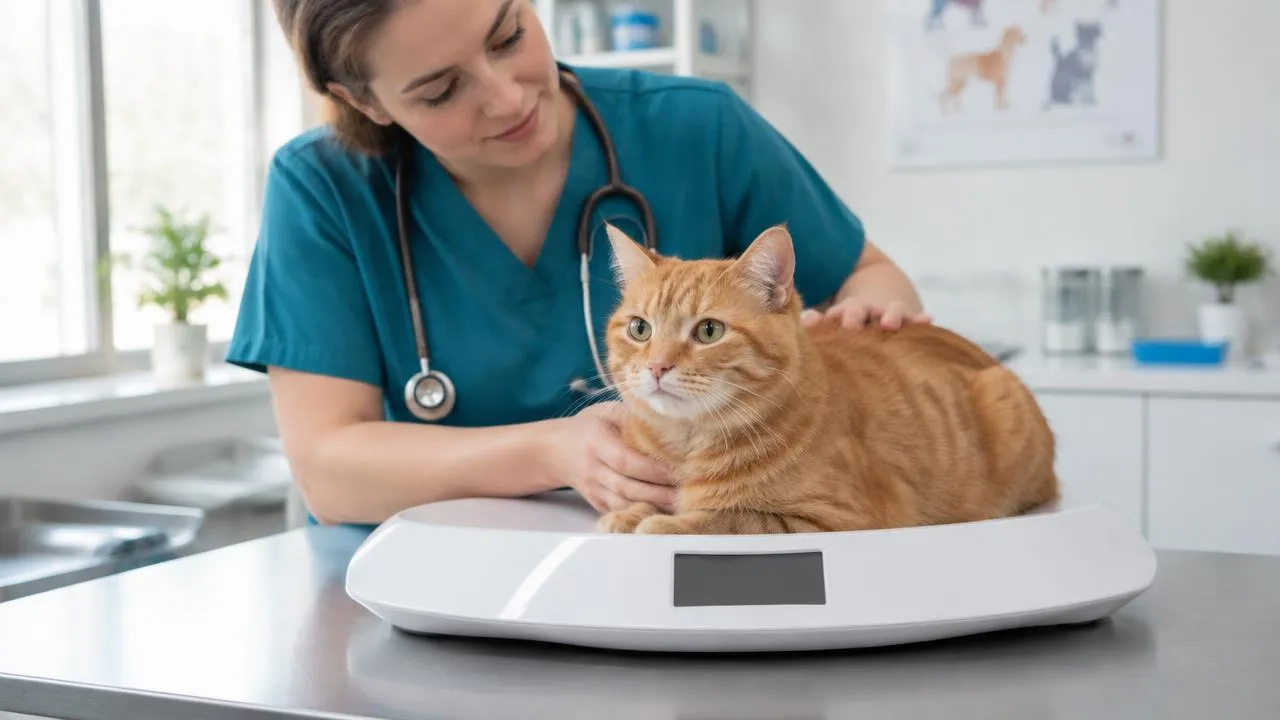
The expression 'fussy' can cover distinctly different situations: a stable individual preference, discomfort linked to the feeding location, or a recent change in behaviour. The AAFP consensus advises ensuring that the cat is genuinely eating and that food remains easily accessible. Calm observation helps describe the circumstances accurately without jumping to conclusions about the underlying cause. If the change persists or worries you, seek guidance from your veterinary team. The objective is to identify practical reference points rather than impose a universal model. Each household can examine available resources, their cat's specific habits, and daily practical constraints, then adjust their organisation whenever observations justify doing so.
Understanding feeding habits
A cat described as fussy may have an established preference, but any shift in feeding behaviour calls for attentive observation. Compare the situation with normal daily routines: initial interest in food, meal duration, and the amount left uneaten. These details alone do not explain why the change occurred. A visible calendar or feeding chart can help household members coordinate their efforts, particularly when several people manage mealtimes. Note down what was served and what was genuinely consumed, rather than topping up the bowl without recording intake throughout the day.
The surrounding environment can strongly influence how a cat approaches its bowl. Sudden noises, household foot traffic, or the presence of another animal are all worth noting. Check that the dish is placed in an accessible spot where the cat can settle comfortably without being disturbed. Look also at whether the pet has a clear retreat space after eating. Being able to walk away without having to pass another cat can be an important factor in domestic organisation. Observations remain individual and should always be interpreted with caution.
Assessing space and access
When several pets share a home, confirm who is actually consuming the food portions. The AAFP reminds caregivers that cats may actively avoid certain companions, and social tensions are not always obvious. A shared feeding station can easily mask an access problem. General advice cannot replace tailored recommendations based on an individual cat's medical record. Age, physical condition, and specific requirements can all alter what arrangements are most appropriate. Always have your veterinary surgeon validate any dietary decision prompted by a suspected health concern.
Avoid constantly introducing new foods without first defining what you want to assess. Keeping a clear record of meals and dietary changes makes your observations far more useful. If the situation concerns you, contact your vet for a proper assessment. When comparing multiple days, keep feeding conditions as consistent as possible. A dated, objective description helps you track progress and relay facts accurately without exaggeration. Never wait until the end of a recording period if your companion's general health or demeanour worries you.
Organising daily mealtimes
The appropriate food quantity depends entirely on the individual cat. Your veterinary team can recommend a suitable daily ration and explain how to measure it reliably. Keeping consistent track of what is offered and what remains helps you describe habits accurately. A straightforward routine is usually much easier to maintain than a complicated arrangement. Regularly check that bowls and electronic feeders remain clean and fully functional, following manufacturer instructions. The user manual for your exact model remains the definitive reference for routine care and cleaning.
A feeding routine may incorporate several smaller meals across the day, in line with general AAFP recommendations. A structured feeding plan does not mean every cat must follow identical schedules; adapt your arrangements to your household routine and professional guidance. Be sure to tell your vet about all food offered, including treats, and explain how it is measured. These specific details avoid vague estimates and allow a productive discussion about the overall ration. Do not introduce dietary restrictions without professional advice if you are uncertain of your pet's needs.
Monitoring and adjusting methodically
Food puzzles offer a way to stimulate natural foraging behaviour, not a test of your cat's character. Consensus guidelines advise starting with easy devices and making sure the animal can access its food without difficulty. A puzzle feeder is not necessarily suitable for every cat or every living situation. The goal is to provide an accessible, rewarding activity without making nutrition frustratingly difficult to reach. Re-evaluate their use promptly if your cat appears frustrated or struggles to obtain its meals.
Repeated meal refusal or a noticeable drop in appetite should never simply be labelled as fussy behaviour. Describe the observable facts and consult a veterinary professional, especially if the current pattern differs sharply from established habits. Electronic devices and their settings vary across different models. Before relying on automated programming, review product guidelines carefully and test the feeder while observing your cat in person. Direct observation remains essential to confirm that your pet is eating properly and comfortably.
At Accessoires Chat, a black automatic kibble feeder with Wi-Fi is currently in development and is not yet available for sale. Its price has not been finalised and the image is purely illustrative. Technical specifications must be confirmed against the instructions supplied with the model actually delivered. Whatever feeding equipment is used, a cat refusing its meals always warrants a discussion with your veterinary surgeon, especially if this behavioural shift continues over time.
Sources and further reading
This advice is for information only and does not replace your veterinarian's opinion.