
Unwell Cats and Mealtimes: Observing and Organising Without Medical Promises
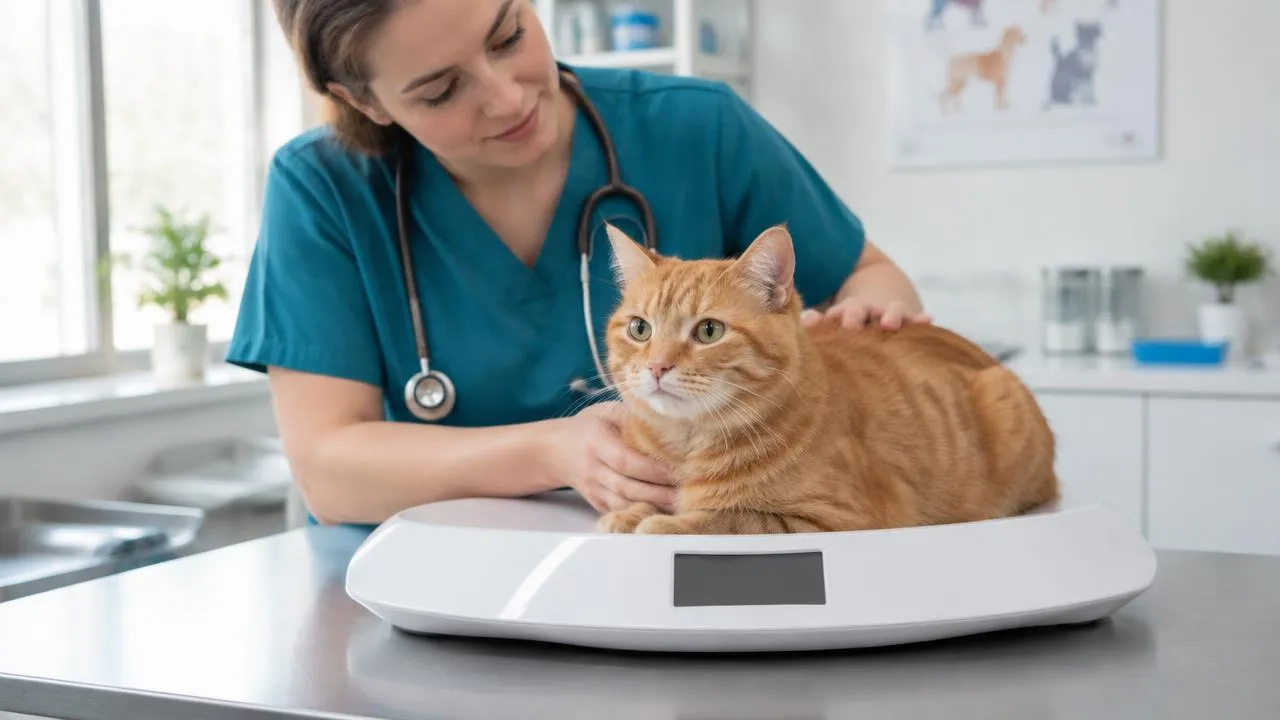
When a cat is unwell, their feeding patterns inevitably raise questions that cannot be resolved by a universal rule. This guide makes no medical claims whatsoever, offering neither therapeutic diets nor alterations to treatment plans. All choices must be discussed with the veterinary surgeon who knows the individual animal best. The AAFP Consensus Statement on feline feeding programmes recommends monitoring body weight and body condition score, especially in fragile cats or those with chronic conditions. Making precise observations regarding food intake and the feeding environment can contribute to a clearer conversation with your veterinary clinic.
Recording Accurately What Is Consumed
Begin by clearly distinguishing what is served from what is genuinely eaten by your cat. Record the food offered, the quantity provided, any uneaten leftovers, and the moments when the cat returns to their bowl. If food is accessible to several household pets, highlight this limitation: a shared bowl makes it impossible to know what portion each cat has consumed. The AAFP Consensus Statement recommends verifying that every cat eats an appropriate quantity and can access their meal without hindrance. Concrete facts will help the veterinary surgeon assess the overall context, without the owner attempting to deduce an underlying medical cause.
The mealtime setting also deserves careful recording. Note whether the cat eats in a calm location, whether another pet is nearby, and whether the routine has altered. Cats generally prefer to take small, frequent meals alone, as noted in the AAFP consensus. However, this general behavioural preference cannot diagnose a clinical problem or dictate a specific diet. Avoid presenting an isolated observation as certainty; instead, note when it occurs and whether it repeats over time. When contacting the clinic, share factual details with dates and ask clear questions regarding next steps.
Letting the Veterinary Team Guide Choices
An unwell cat may have individual requirements that cannot be deduced from an online article or experience with another pet. Ask your veterinary surgeon whether the current food and portions remain suitable, and which measuring method should be employed. Do not turn a general recommendation on frequent feeding into a strict dietary rule, nor remove an existing food or introduce a new product based purely on a commercial claim. The AAFP consensus statement addresses the behavioural organisation of meals; it does not replace a personalised clinical assessment carried out by a professional.
To prepare for your consultation, compile food names and available information on portion sizes. Record changes in routine, notes on leftovers, and details of who feeds the cat. If an automatic feeder is used, describe its settings without assuming that dispensed portions match what is actually consumed. These practical elements provide a concrete starting point for discussion. Ask which observations should be continued and at what point to get back in touch if concerns persist. An appropriate response depends on the medical record; this article cannot determine clinical causes or prescribe treatments.
Making Access to Meals Clearer
In a multi-cat household, dynamic social relationships can significantly influence where each pet chooses to spend time. The AAFP notes that cats do not always share household territory equally, and some individuals remain within areas where they feel secure. Food competition can cause friction without presenting obvious signs to owners. Observe whether an unwell cat can easily reach their feeding station and remain nearby undisturbed to eat. Note observable facts rather than attributing behaviour to a single cause, allowing the veterinary team to interpret the information within its proper context.
Establishing separate feeding stations can make it much easier to see who eats what, while supporting calmer access where the home layout allows. The AAFP recommends providing multiple food and water stations as part of a thoughtful feeding plan. Position these resources so that household pets can use them without overt competition, then observe how the arrangement works over time. Avoid moving every station at once if you wish to understand what changes. If a cat seems unable to access their share or you are concerned, contact the clinic for advice rather than viewing environmental adjustments as medical solutions.
Monitoring Progress Without Hasty Interpretations
Tracking body weight and body condition score represents a fundamental practice recommended by the AAFP consensus, particularly in fragile or unwell animals. Record each measurement alongside the date, using a consistent method that you can reliably replicate at home. A home weighing is simply an observation, not a diagnosis, and it must be interpreted alongside a physical examination and the cat's full clinical history. Ask the veterinary team how frequently to weigh your cat and how best to report the results. Alongside this, keep careful notes on portions, resource access, and behavioural changes around food.
If an automatic feeder is used, review the manual for your specific model and verify its settings rather than assuming all units operate identically. Equipment can schedule meals reliably, but it cannot determine which animal ate the food or whether kibble was left behind in the bowl. A designated household member can check the bowl and log any leftovers to keep your records complete. For any decision regarding an unwell cat's diet, seek advice directly from their veterinary surgeon. These practical notes aim to assist communication, without promising improvement or replacing proper veterinary care.
At Accessoires Chat, a black automatic kibble feeder equipped with Wi-Fi is currently in development and is not yet available for purchase. Its price has not been validated; any imagery is purely illustrative. Model specifications remain to be confirmed in the manual supplied with the delivered unit. For an unwell cat, this equipment makes no nutritional recommendations and cannot replace the advice of the veterinary surgeon attending to the animal.
Sources and further reading
This advice is for information only and does not replace your veterinarian's opinion.