
Male cat urinary blockage: warning signs to take seriously
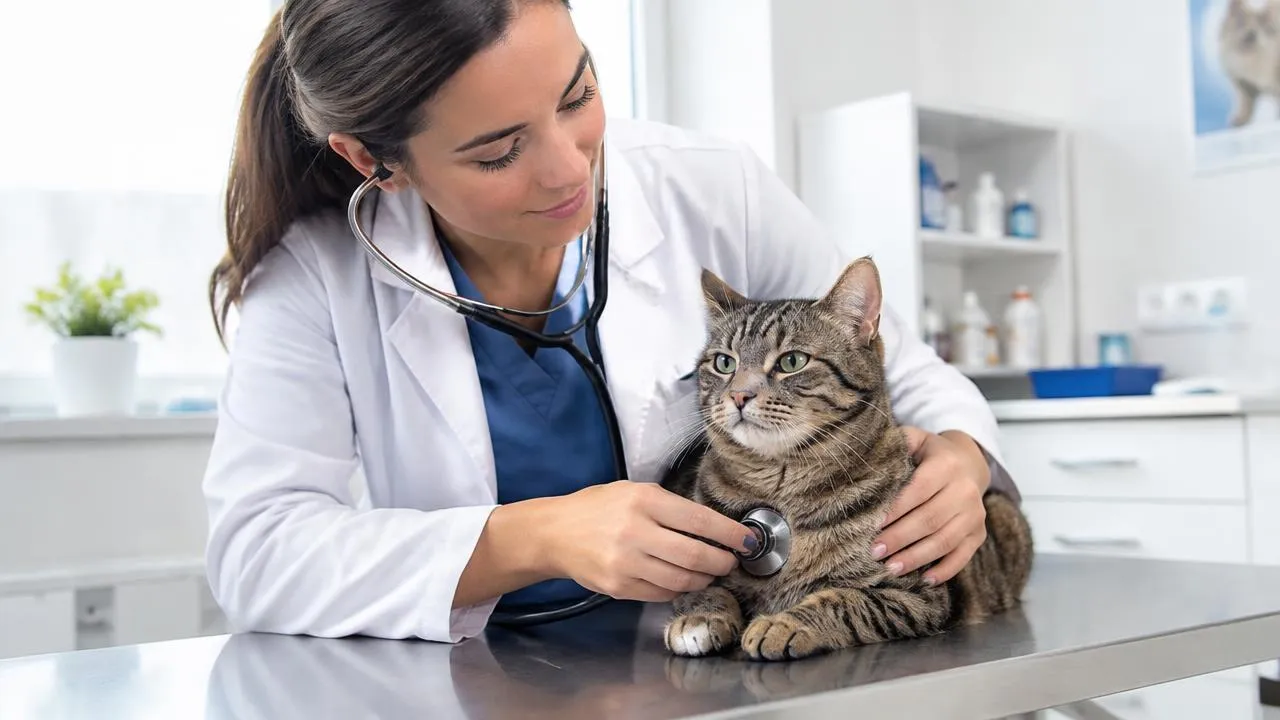
When searching for 'male cat urinary blockage signs', the vital answer must precede explanations: if he tries to urinate without success, call a vet immediately. You cannot confirm a blockage by examining the litter tray, and you do not need that confirmation to seek help. This file distinguishes what texts describe, what you can report, and what belongs to medical examination. It offers no domestic tests or waiting times before contact.
Why the cat's sex deserves to be specified
AAFP/ISFM guidelines indicate that urethral obstruction is more frequent in males, with no difference in prevalence between intact and neutered males. They also mention young animals and obesity within groups more affected. These elements provide context, but do not constitute a rule allowing one to dismiss a problem in an animal that does not fit the most common profile. Clinical suspicion must remain high regardless of the specific risk factors identified previously.
The same text distinguishes between obstructive and non-obstructive forms of idiopathic cystitis. Thus, having already heard this diagnosis does not allow you to know, during a new episode, if urine can flow normally. Tell the surgery that your cat is a male, then explain the attempts and their observed results. Medical history completes this description; it must not replace it with a conclusion drawn from previous episodes. Professional assessment remains essential for safety.
Describing manifestations without making a diagnosis
The MSD Veterinary Manual describes straining to urinate, frequent urination, blood in urine, and deposits outside the tray among signs of lower urinary tract diseases. These manifestations draw attention to the urinary system, without distinguishing all possible causes on their own. A list of signs serves to prepare for the appointment, not to calculate a probability of blockage at home or to decide that one does not exist. Observation is just the first step.
The concrete question to convey is about output: have you seen urine come out, only an attempt, or just visits? If you observe efforts without production, convey this information before everything else and request immediate guidance. Do not wait for another element from the list to appear. The absence of visible blood, for example, must not become a prerequisite for calling regarding unproductive attempts. Immediate veterinary communication is necessary whenever straining occurs without result.
Avoiding false certainties given by traces
A shared tray poses a reporting difficulty: the presence of waste does not identify the author if no one witnessed the visit. Specify this limit instead of automatically attributing all urine found to the male concerned. Similarly, an old trace must remain dated as such. It recounts a past event, whereas the call concerns what is happening at the moment difficulties are observed. Distinguishing between historical and current behavior is vital for an accurate assessment.
If your companion has urinated elsewhere, mention the locations and the order of discoveries. The MSD manual classifies urinating outside the toilet area among the possible manifestations of lower urinary tract disease. AAFP/ISFM suggests a history and home map to better understand these situations. This work helps document the facts but must not delay the request for help in the presence of efforts that remain without result. Prompt professional intervention is always the priority here.
Understanding why the assessment is not done remotely
Stones, urethral plugs, infections, and tumours appear among the causes cited by the MSD. Idiopathic cystitis also holds a significant place, with an underlying cause still unknown. The choice between these explanations does not rely on a surely recognisable behaviour. Even attentive observation does not allow the replacement of an examination with an interpretation of posture or toilet attendance. Only a veterinary professional can differentiate between these conditions through direct clinical investigation and testing.
To exclude other diseases before concluding idiopathic cystitis, the manual mentions urinalysis, culture, radiography, and ultrasound. The practitioner determines the examinations necessary for the situation. Prepare the history of disorders and any previous results, without considering these documents as a guarantee for the current episode. Prudence consists of explaining what has changed, rather than simply asking to renew a response given previously. Each new episode of straining requires a fresh and complete evaluation.
Reviewing living conditions after the evaluation
AAFP/ISFM recommendations insist on optimising trays even when a disease contributes to the problem. They also describe the influence of conflicts between cats and unpleasant experiences around toilets. These paths can guide follow-up: free access, a less busy environment, and regular maintenance. They intervene in organised management, without providing a domestic means to unblock the animal or a justification for postponing the urgent consultation. Environmental changes are secondary to the necessary medical stabilisation.
Regarding a motorised tray or an application, check the manual of the exact model for the information actually offered. No record should be used here as a certificate of the absence of obstruction. Your priority remains to report unproductive efforts and follow the instructions of the professional. Once the cat is evaluated, you can discuss how to record observations and improve its installation without imposing a succession of uncoordinated changes on the cat during recovery.
The round connected automatic litter box considered by Accessoires Chat is in preparation and not available for sale. Its price is not validated; its image remains illustrative. Specifications are to be confirmed on the manual of the delivered model. This is a project presented with these reservations, without confirmed features and without claims regarding the recognition of urinary problems in cats. It is currently a draft not for sale with illustrative imagery.
Sources and further reading
- AAFP and ISFM Guidelines for diagnosing and solving house-soiling behavior in cats (Journal of Feline Medicine and Surgery, 2014)
- Manuel vétérinaire MSD — Lower Urinary Tract Disease in Cats
This advice is for information only and does not replace your veterinarian's opinion.