
Cat not sleeping in its cat tree: understanding its preferences
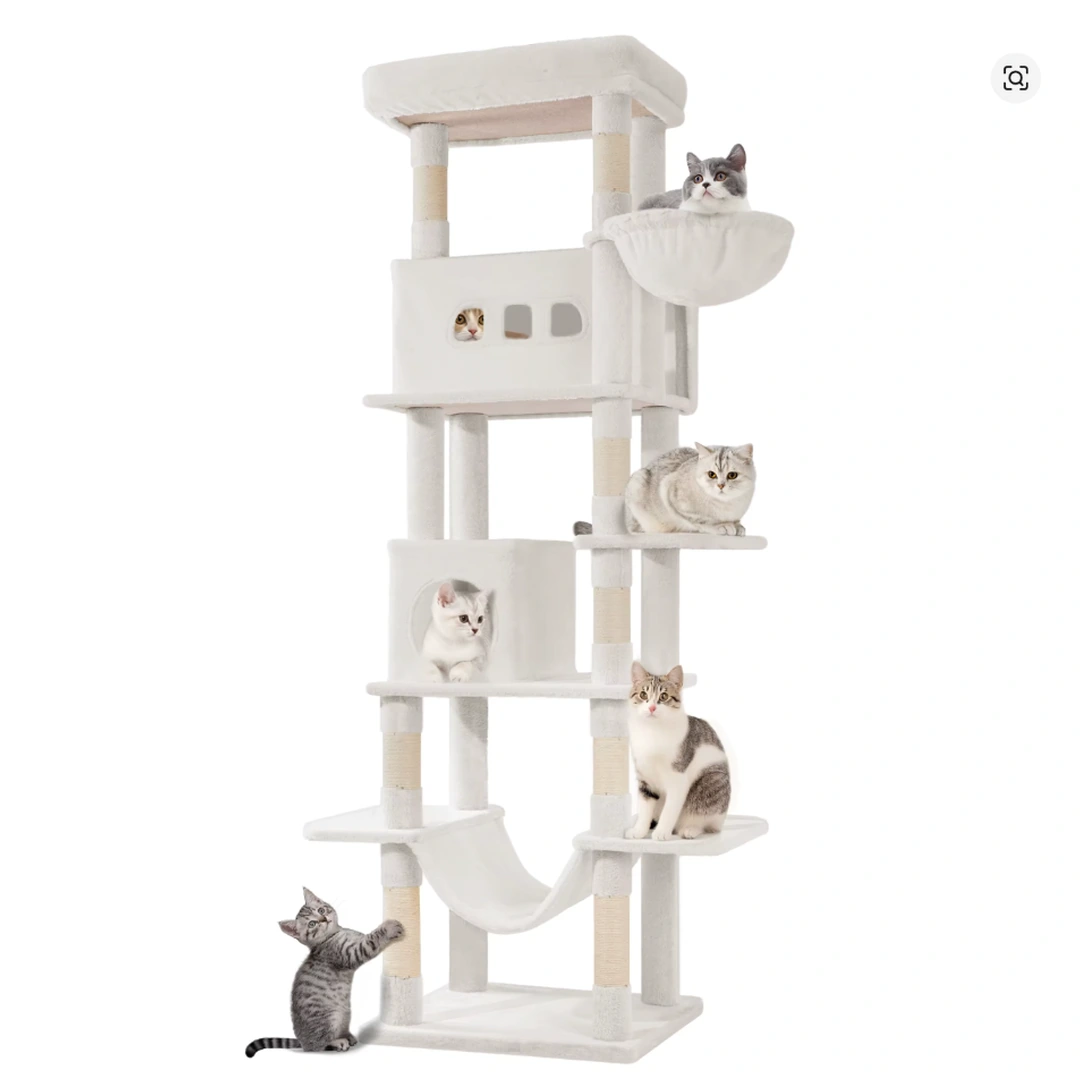
Your cat climbs its tree, scratches on it and surveys the living room from a perch, then heads for the sofa to sleep. This difference is worth observing, but it does not mean the tree is useless. Behind the search “cat not sleeping in cat tree”, the question is often simple: what does its favourite sleeping spot offer that the tree does not? To understand this, compare how the surfaces feel, the temperature and any interruptions, without trying to impose a particular place to sleep.
Cat not sleeping in its cat tree: watching versus resting
A spot your cat enjoys for watching the room is not necessarily somewhere it chooses to surrender to sleep. Your cat may like a platform during active periods, then prefer an armchair when it lets its guard down. Look at what it actually does: does it stay sitting, lie down briefly or rest its head? These distinctions prevent you from confusing time spent in the tree with a desire to sleep there. A place can serve one purpose without meeting every other need.
The AAFP and ISFM guidelines on feline environmental needs (2013) highlight the importance of hiding places, elevated perches, separate resources, scratching, familiar scents and respectful interactions. They do not mean that a cat must sleep in its tree. Keeping several resting options available remains consistent with these needs. If your cat happily uses the tree in other ways, you do not necessarily have a problem that needs solving.
Compare comfort with its favourite sleeping spot
Start by observing its posture elsewhere. On the sofa, does it sleep stretched out, supported against the backrest or curled into a hollow? On the tree, a surface that looks welcoming may feel different: taut covering, a seam beneath its side or an edge that gets in the way of its head. Gently run your hand over the sleeping area when it is empty. The aim is not to choose the softest option, but to understand what your cat seeks when sleeping.
If you try a familiar texture, choose an item designed for that purpose and compatible with the model. Before adding anything, check the manufacturer’s instructions for conditions of use and secure positioning: nothing should slip, interfere with footing or create a snagging point. Avoid piling up layers at random. A small adjustment is enough to compare reactions; keep its other sleeping spot accessible so that your cat can continue to choose.
Notice temperature differences throughout the day
Thermal comfort varies with the time of day, season and surface. A sleeping area in the morning sun may become less pleasant later, while an armchair feels more consistent. Conversely, a draught may make a platform unappealing for a long nap. Observe when your cat leaves the tree and when it returns. Also note whether its choice changes between a fabric surface and one that feels cooler.
Compare conditions at the sleeping area itself, not just your impression from the middle of the room. Touch the surface and identify incoming air or direct heat, without assuming there is one universal ideal temperature. You can limit uncomfortable exposure while leaving an alternative available. Do not improvise a heating or cooling device on the tree: any installation and technical compatibility must be checked in the instructions from the manufacturers concerned.
Distinguish a quiet setting from frequently interrupted sleep
A tree may seem peaceful yet be the focus of small interruptions: the television coming on, a door slamming, someone walking close by or a hand reaching towards the cat whenever it lies down. These events may be tolerated while watching, but can influence its choice when sleeping. Look at what happens before it leaves, rather than judging background noise alone. A cat that regularly raises its head gives you useful information about that sleeping spot.
Try to protect its rest periods: do not automatically stroke it when it settles down, and avoid calling it to check whether it finally likes its tree. Ask everyone in the household to respect this break. Keep a familiar scent too, without adding fragrance to the sleeping area to make it supposedly welcoming. The aim is to make rest predictable, not to isolate your cat from family life or reorganise the whole home around a nap.
Test gently, then accept its preference
Choose just one possibility at a time: an unpleasant surface, direct heat or frequent interruptions. Change one element, then observe several opportunities for rest under comparable conditions. A few notes are enough: time, chosen surface, posture and what happened before departure. Avoid putting your cat on the tree when it is sleeping elsewhere or removing its favourite armchair. That would confuse your observations and turn a comfort preference into a constraint. Do not wake it to conduct your trial.
If your cat maintains its habits and uses the tree comfortably, accepting that it sleeps elsewhere is a perfectly valid outcome. However, consult a vet if you notice any signs of pain, limping, a fall, parasites or a behavioural change, particularly suddenly abandoning a previously favoured sleeping spot. Do not automatically put this change down to a whim or the temperature. Observing the sleeping area helps describe the situation, but does not replace a veterinary assessment.
VEYRULIS is preparing a 210 cm tall, multi-level cat tree tower, not yet on sale on accessoireschat.com. Its price has not been approved and its colour variant remains to be confirmed. Specifications will need checking in the instructions for the model delivered: when it comes to sleep, several levels do not guarantee that a sleeping area will suit your cat’s preferences.
Sources and further reading
This advice is for information only and does not replace your veterinarian's opinion.