
Cat falls from a cat tree: what should you do?
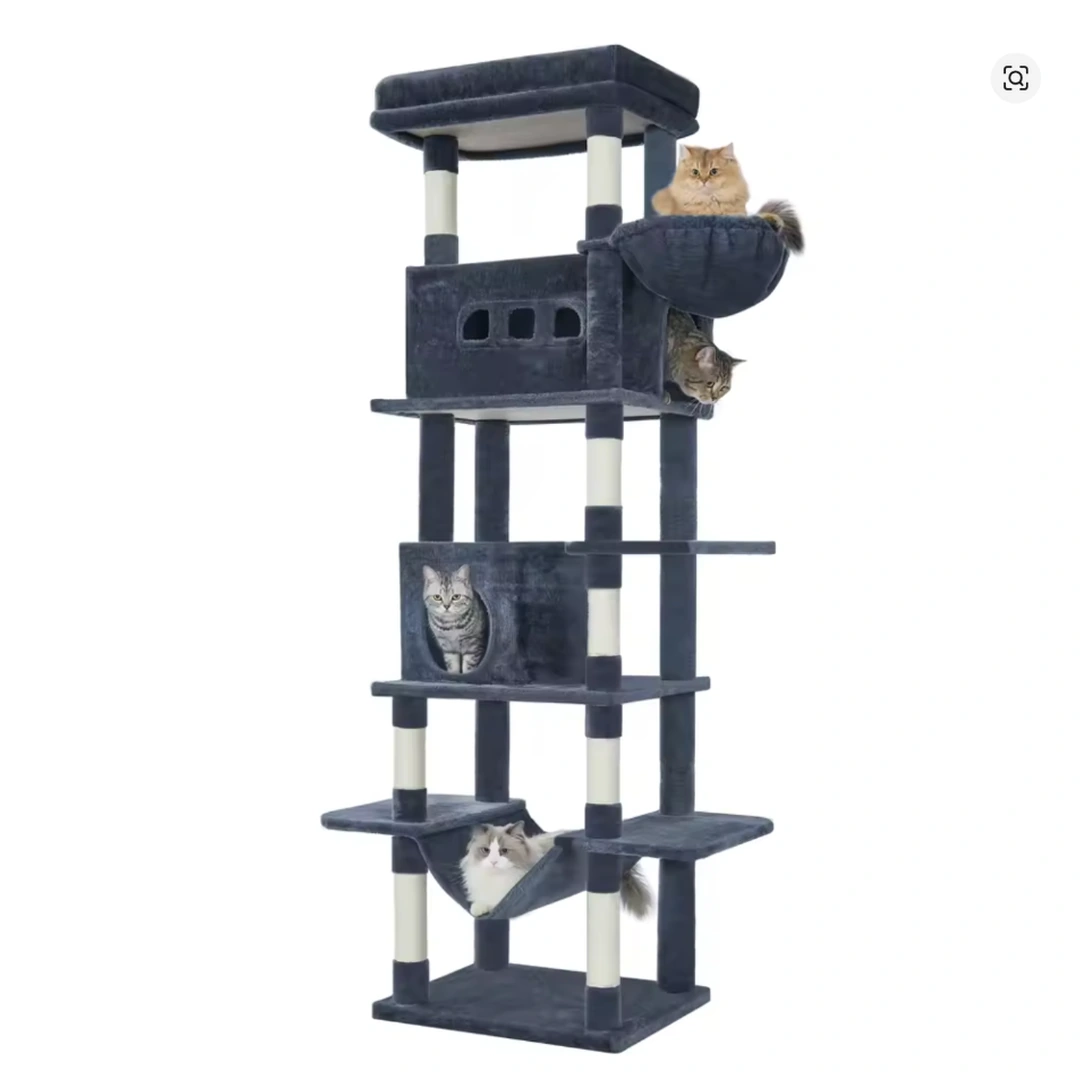
A thud, a slip, then your cat at the foot of their tower: start by preventing access, not by encouraging another attempt. If you are searching for “cat falls from cat tree”, remember this priority: every fall warrants contacting a vet, even if your cat immediately walks away. Afterwards, you can examine the furniture without putting your companion back in the same situation to work out what happened.
Cat falls from a cat tree: make the area safe immediately
Move other animals away and stop games around the cat tree. Prevent another climb by temporarily closing the room, if possible without moving your cat abruptly. Avoid putting makeshift barriers on the platforms: they could topple over or encourage more jumping. If your companion is still up high after slipping, do not chase them or pull them by a leg; ask your vet how you should intervene.
If your cat is on the floor, leave a quiet, clear space around them. Do not make them walk to check their gait or handle their limbs looking for an injury. Call your vet to describe the fall and obtain care instructions, particularly about transport. Meanwhile, keep people at a distance and prevent any attempt to return to the tree, even if your cat seems to want to.
Recognise signs that require prompt veterinary attention
Difficulty breathing, loss of consciousness, heavy bleeding, inability to get up or an obviously deformed leg require an immediate call to an emergency veterinary service. In these situations, do not waste time inspecting the furniture. Describe what you can see without trying to make a diagnosis. Do not give any human medication, and follow the instructions you receive before moving your cat: unnecessary handling can cause further pain.
A slight limp, unusual posture, sudden withdrawal, vocalisation or refusal to eat must also be reported to your vet. No visible injury does not mean that a problem can be ruled out after a fall. Note the time of the incident and any changes in behaviour without repeatedly disturbing your cat. If your vet recommends monitoring at home, ask exactly which changes should prompt another call and which activities to limit during this period.
Piece together what happened without causing another fall
Once your cat is being cared for, record only the facts you observed: the starting platform, direction of movement, landing and any noise at the time. Did you see a paw slip, a bed tilt or a component come loose? Keep these observations separate from your assumptions. Discovering a fall afterwards does not automatically establish that a surface or assembly was at fault. Photograph the furniture before making changes to preserve useful reference points.
If a camera already in place recorded the incident, the footage may help clarify what happened for your vet or the manufacturer. Never recreate the accident using a toy or treat. Mention the circumstances too: waking up, an interrupted jump, a chase or a reaction to a noise. Repeated falls, behavioural changes or signs suggesting parasites require veterinary advice; a plausible explanation involving the furniture does not replace that consultation.
Look for an equipment-related cause in the affected area
With the cat tree out of your cat's reach, first examine the exact place where they appear to have lost their footing. Look for folded fabric, a displaced cover, a peeling surface or a damaged edge. Also check whether a recently added object encroached on the landing area. The aim is not to dismantle everything, but to identify a specific change that might explain the slip. An isolated mark is a clue, not proof that you have found the cause.
Next, compare the arrangement you see with the illustrations and directions in the manufacturer's instructions. A component facing a different way or an added accessory may alter the available footing. Follow those instructions for every technical check, adjustment or replacement, and ask the manufacturer for clarification if anything remains ambiguous. Do not improvise with glue, reinforcement or load tests. If a part appears damaged or doubt remains, keep the tree inaccessible.
Plan what comes next without forcing a return to heights
Resuming use depends first on your vet's instructions and on resolving any equipment faults identified. Do not place your cat on a platform to reassure them or lure them towards the top. Keep an accessible refuge at floor level with familiar surroundings while the tree is unavailable. If your cat persistently avoids it or changes their habits after the incident, speak to your vet again rather than dismissing the behaviour as mere fussiness.
The AAFP and ISFM feline environmental needs guidelines (2013) highlight the value of refuges, elevated perches, separate resources, scratching, familiar scents and respectful interactions. These principles encourage suitable choices, not enforced climbing. Once you have permission to resume use, let your cat decide and remain available to observe without prompting them. At the slightest further incident, stop access and contact your vet again.
VEYRULIS is preparing a 210 cm tall, multi-level cat tree, currently a draft product that is not yet for sale. The price has not been approved, and the colour variant remains to be confirmed. To help prevent falls, its specifications and conditions of use will need checking against the instructions for the model delivered: height alone does not guarantee access suited to your cat.
Sources and further reading
This advice is for information only and does not replace your veterinarian's opinion.