
Cat refusing to eat: what to observe before seeking advice
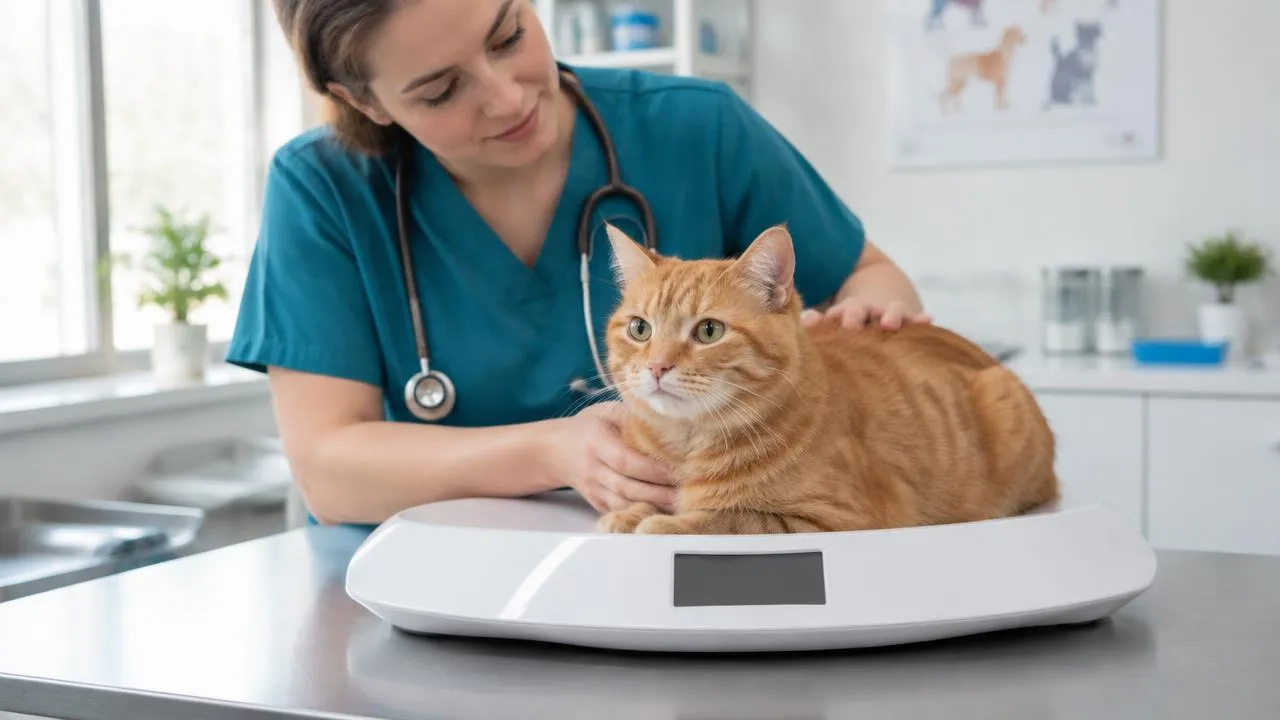
A cat that turns away from its food warrants serious and prompt attention. Observing how your cat behaves around their bowl can provide useful information, but it cannot establish a medical diagnosis. The AAFP consensus recommends verifying that each individual pet actually eats an appropriate quantity of food and monitoring their behaviour closely. Describe the observed facts to your veterinary surgeon, rather than waiting for a simple change of bowl to resolve an issue whose underlying cause remains unknown. The aim is to identify helpful reference points, not to impose a universal model. Every household can evaluate its available resources, the cat's familiar habits, and practical daily constraints, then review its routine if observations justify doing so.
Understanding everyday feeding habits
When a cat ceases to show an interest in their food bowl, describe precisely what happens. Do they approach and then walk away, eat noticeably less than usual, or seem unable to find the dish? Such a factual description does not reveal the underlying cause, but it is far more helpful than a hasty conclusion. A visible calendar can help household members coordinate effectively, especially when several people share feeding duties. It is far better to note down what was served and what was consumed, rather than simply refilling the bowl without recording the meals taken.
Check that no other household pet is blocking access to the bowl. Social relationships between cats vary widely: some seek out companionship, whilst others avoid housemates or certain rooms altogether. The AAFP consensus stresses that feeding competition can create difficulties, sometimes without any obvious signs of conflict. Look also at whether the animal has a quiet space to retreat to after eating. The ability to move away comfortably without crossing paths with another cat can play a significant role in the overall setup. Observations remain strictly individual and must be interpreted with caution.
Assessing feeding areas and access
Keep a clear record of when the change in behaviour first began and exactly what food was offered. Share all observed intake, leftovers, and any unusual circumstances with your veterinary surgeon. Do not attempt to diagnose an issue based on home observations alone; a professional will determine whether a clinical assessment is required. General advice can never replace guidance tailored to your cat's specific medical history. Age, physical condition, and distinct needs can all alter which options are appropriate. Make sure any feeding decision prompted by a medical concern is validated by your vet.
The AAFP consensus statement calls upon owners to confirm that their cat is genuinely consuming an appropriate quantity of food. This practical recommendation is equally relevant when multiple pets share the same resources: identifying individual meals helps prevent one animal's intake from being mistakenly attributed to another. When comparing several days, keep environmental conditions as consistent as possible. A dated written description helps identify trends over time and conveys facts without exaggeration. Crucially, do not wait until the end of an observation log if your companion's general condition is causing you concern.
Organising mealtimes on a daily basis
Keep clean drinking water and food in accessible locations where your pet can feel thoroughly secure. The AAFP indicates that feeding stations should never be located near litter trays. Take time to examine normal walking routes and physical obstacles throughout the home. A simple, well-organised setup is often far easier to maintain consistently than a complicated system. Check regularly that bowls and feeding appliances remain clean and fully functional, in accordance with the manufacturer's instructions. The manual for the exact model you own remains the essential benchmark for proper care and maintenance.
Avoid immediately interpreting hesitation as simple fussiness. Environmental context, social interactions, and changes to the daily routine are all important parts of observation, but they do not rule out an underlying health issue. If you are worried, contact your veterinary team and share your notes. Be sure to tell the professional about all foods offered and the way they are measured. These specific details eliminate vague guesswork and allow for a meaningful discussion about the overall ration. Do not introduce dietary restrictions without guidance if you are unsure of the animal's needs.
Monitoring and adjusting with method
A familiar daily routine makes accurate comparison much easier: keep track of feeding times, the foods presented, and any quantities left behind. If several members of the household feed the cat, share information openly so that meals served are never confused with meals truly eaten. An enrichment puzzle is not necessarily suitable for every cat or every home situation. The primary goal is to offer an accessible activity without making food excessively difficult to reach. Re-evaluate its use promptly if the animal appears frustrated or cannot easily access their meal.
Your vet can provide valuable guidance on portion measurement and your cat's specific nutritional requirements. According to the AAFP, digital kitchen scales or volumetric measuring cups can be used, with professional advice to determine the most suitable method for your home. Feeding appliances and their options differ considerably between models. Before relying upon automated scheduling, review the guidelines specific to the product and test its operation while you are present with your cat. Direct observation remains essential to confirm the real-world outcome.
At Accessoires Chat, a black automatic kibble dispenser with Wi-Fi is currently in preparation and is not yet available for sale. Its retail price has not been validated and the image is provided purely for illustrative purposes. Specific features remain subject to confirmation against the instruction manual of the model actually delivered.
Sources and further reading
This advice is for information only and does not replace your veterinarian's opinion.