
Overweight Cats: Diet, Feeding Routines and Practical Guidance
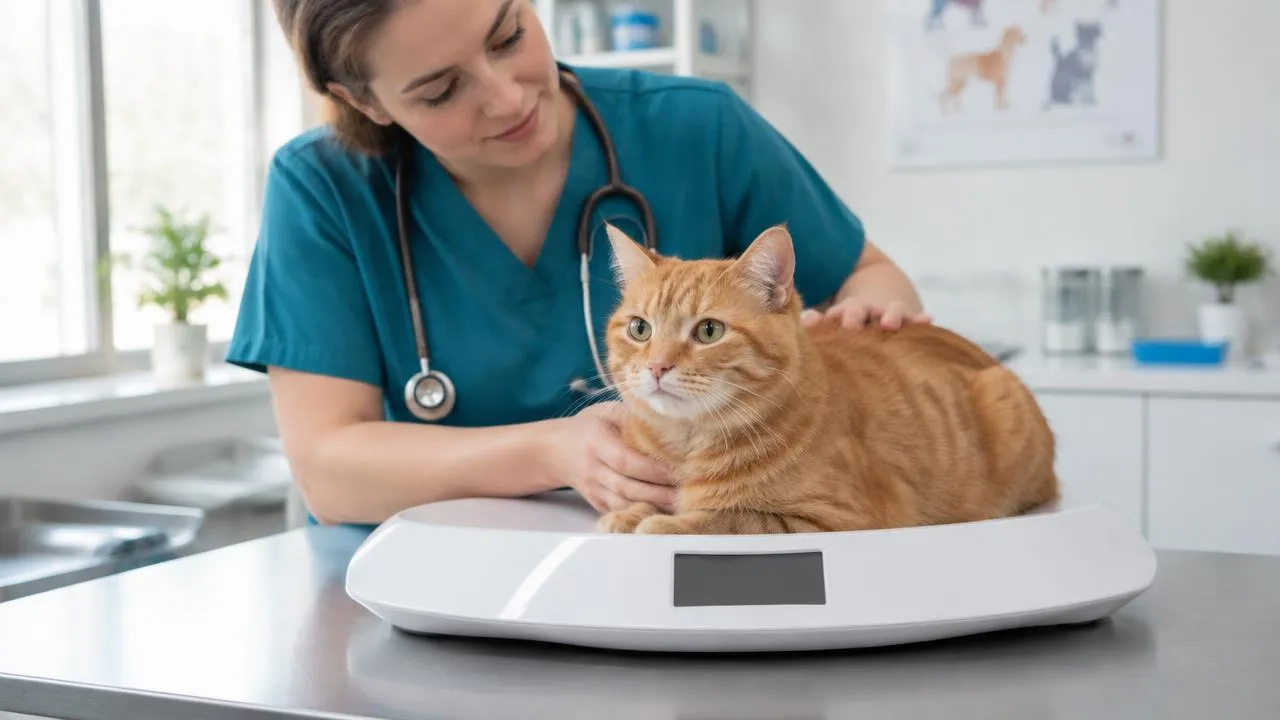
Keeping an eye on daily rations is not always enough: the method of distribution, access to resources and boredom also play a role. Here are practical avenues to review with your vet. The AAFP consensus statement reminds us that meal organisation, behaviour and the environment matter just as much. These general guidelines do not replace the advice of a vet who knows your pet.
Reviewing Daily Habits and Routines
Weight gain calls for a comprehensive assessment rather than simply cutting back on dry kibble. The AAFP consensus statement links certain ways of serving large meals with inactivity and overconsumption. These observations provide a valuable starting point for reflection, without in themselves establishing the direct cause of the weight gain.
Note down feeding times, the portions served and any leftovers. Mention any other household pets, as well as the areas where your cat prefers to eat. The AAFP consensus recommends monitoring weight and body condition score, especially if your pet is elderly or unwell. Remember to record changes in household organisation, such as new working hours or moving a food bowl. This context can shed light on shifting habits. While these notes do not replace a veterinary examination, they ensure key details are not forgotten when discussing weight.
Measuring and Monitoring Daily Portions
Ask your vet which daily allocation suits your pet. Recommendations depend on the cat and their needs; a generic figure cannot replace this assessment. For measuring food, the document cites a digital kitchen scale or measuring scoop, whilst noting the possible limits of volume measurements. Adopt a practical, consistent method and record portions rather than filling the bowl by eye. A measured ration makes agreed adjustments easier to apply. If dietary composition changes or your cat already has medical instructions, notify your vet before altering meals. The aim is a clear method for everyone.
You can compare the amount placed in the bowl at feeding time with leftovers remaining after twenty-four hours. When multiple household members feed the cat, a shared log prevents portions being doubled up or missed. Bring this information to consultations before making significant adjustments to the feeding routine, especially if health conditions require caution. Checking leftovers is just as important as measuring the initial portion: part of the food may be eaten by another pet. If necessary, arrange separate meals and observe who uses each station, making your consumption records more meaningful.
Structuring Daily Meals and Timings
The consensus advises dividing the daily allowance into small meals spread over twenty-four hours. Portioning food means offering the calculated amount in several instalments, rather than providing unlimited free-choice meals. Written feeding times make the routine clear to all household members and help distinguish between a meal simply served and one actually eaten. Schedules can be adapted to the household routine, provided the daily total is respected. A shared tracking sheet helps family members coordinate and check which meals have already been offered.
Automatic feeders can help with this distribution throughout the day, though they do not typically provide opportunities to forage or hunt. Check functions and limitations in the instructions for the specific model. After setup, check that your cat approaches the device and reaches their food. In multi-pet homes, ensure one animal does not routinely take food meant for another. Reassess your cat's interest in any device over time. An abandoned or ignored puzzle fails its purpose; choose a simpler, more accessible option. Food should remain retrievable without excessive frustration.
Encouraging Foraging and Mental Activity
A food puzzle holds food that the cat releases by manipulating the device. The AAFP notes that food puzzles and hidden kibble can offer mental and physical stimulation. Start with an easy model, then see whether your cat grasps the principle. An overly complex puzzle at the outset risks hindering access to the meal rather than encouraging exploration. A simple floor game may be more suitable than a course requiring jumping. The choice depends on the cat and their current capabilities. Seek advice if physical discomfort restricts movement or makes activity uneasy.
Overweight cats may have greater difficulty jumping, climbing, hunting and playing. Offer accessible opportunities for gentle movement rather than sudden exertion. Moving food portions can encourage searching behaviour; an elevated surface should only be considered if physical condition allows. In cases of discomfort or chronic illness, ask for guidance before changing familiar routes. Visual separation between stations can help if pets watch each other or avoid specific areas. Observe interactions from a distance rather than relying solely on the absence of overt fighting.
Adapting Resources and Veterinary Follow-Up
In a multi-cat home, sharing a single feeding station does not guarantee that each pet eats peacefully. Cats may avoid certain rooms or companions without obvious signs of conflict. Separate feeding spaces, shielded from view, can help. Observe who uses each station and whether one cat waits for another to leave before eating. Follow-up works best when kept realistic. Select a few key details to record consistently, then discuss findings with your vet. A manageable routine is far better than a complex protocol that is quickly abandoned.
Set regular times with your veterinary team to review weight, body condition and feeding habits. Present your recorded facts and any everyday changes. At Accessoires Chat, a black automatic kibble feeder with Wi-Fi is currently in preparation and not yet on sale; pricing is unconfirmed, the image is illustrative, and final specifications are to be confirmed in the instruction manual of the model delivered.
At Accessoires Chat, the black Wi-Fi connected feeder is in development and not yet available for purchase. Its price has not been validated; the image is illustrative. Final specifications must be confirmed in the instruction booklet of the model actually delivered.
Sources and further reading
This advice is for information only and does not replace your veterinarian's opinion.