
Cat not using their cat tree: what can you do?
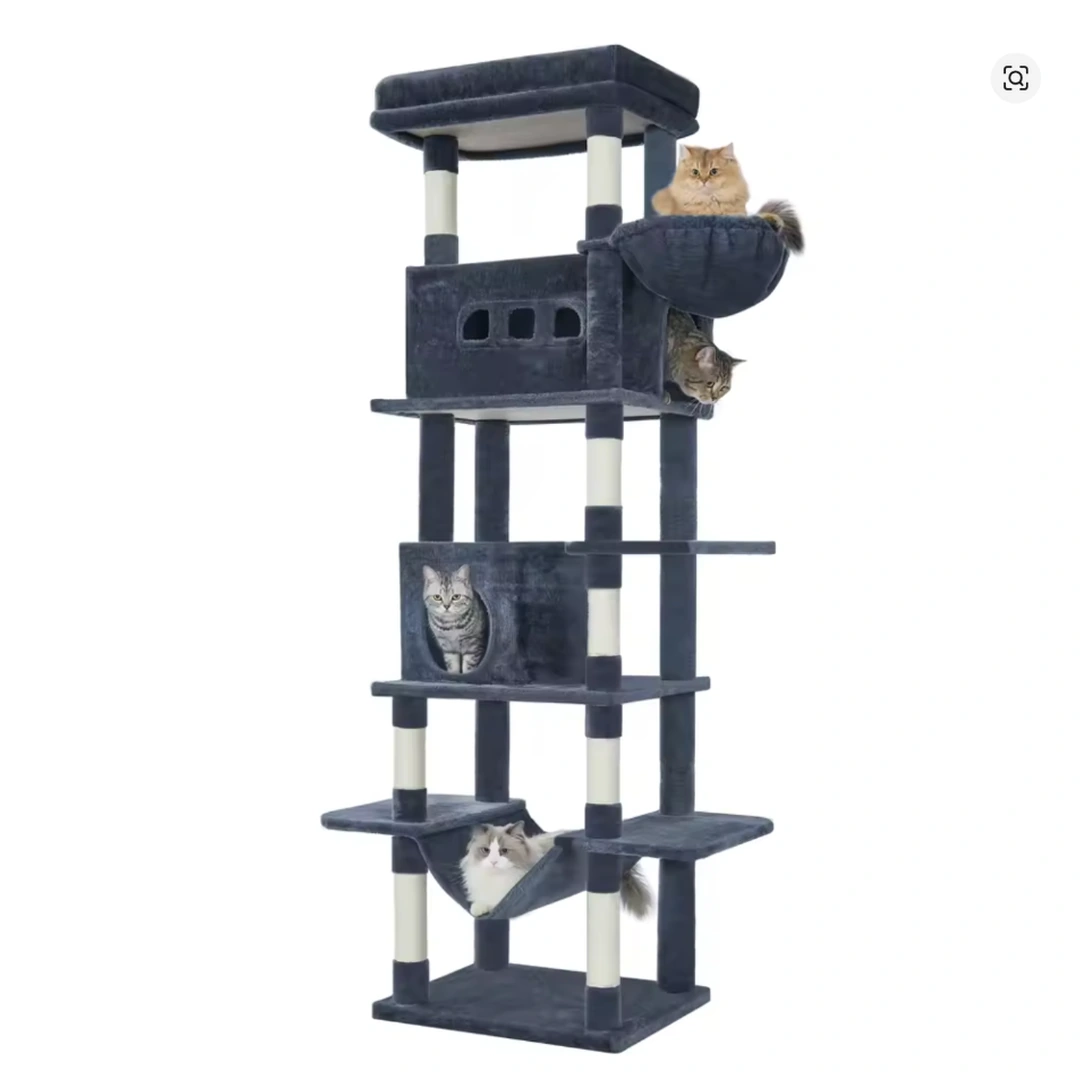
You imagined your cat settled on their platform, but instead they walk past without a glance. A cat who does not use their cat tree is not necessarily rejecting it: they may be unsure about something new, lack an opportunity to explore it, or have had an unpleasant experience nearby. Before replacing the tree, try to understand what is holding your companion back. The aim is not to make them climb at any cost, but to let them try it freely, on their own terms.
Cat not using their cat tree: observe first
During a few quiet moments, watch what your cat actually does around the tree. Do they avoid it completely? Come over to sniff, then leave? Put a paw on the base? These behaviours mean different things. A brief approach already counts as exploration, even if it does not look like the use you expected.
Note the context too: someone nearby, a sudden noise, movement through the room or an invitation to play. Look for anything that consistently happens just before they leave. There is no need to follow them to get a reaction: watch from your usual spot and compare relaxed moments with hesitant ones.
Finally, distinguish between a tree they have never adopted and one they have suddenly stopped using. Consult a vet for any sign of pain, limping, a fall, parasites or behavioural change. Unusual reluctance should not automatically be dismissed as fussiness or become the starting point for persistent training.
Find the obstacle rather than trying endless tricks
Ask yourself a simple question: what happens, from your cat’s perspective, when they approach? A surface they dislike, accidental contact with a toy or a bad experience may interrupt exploration. Do not recreate the situation to test your theory. Instead, notice the precise moment when they stop or move backwards.
The AAFP and ISFM guidelines on feline environmental needs (2013) highlight the importance of hiding places, elevated perches, separate resources, scratching, familiar scents and respectful interactions. They offer a useful framework: the cat tree is one possibility among others, not a piece of equipment your cat is obliged to adopt.
Keep their other options available while you try. Removing their favourite bed or blocking hiding places to make the tree unavoidable is more likely to add pressure. If you suspect an equipment defect, stop encouraging exploration and check the technical details in the manufacturer’s instructions before you continue.
Offer play without turning exploration into a test
Choose a time when your cat spontaneously shows interest in playing. Start away from the tree with a toy they already enjoy, used under supervision. Bring the game closer to the base without requiring them to touch it. They must be free to join in, move away or watch without being brought back.
If they remain comfortable, next offer a movement towards a low, easily accessible surface. Do not send the toy leaping towards the top to prompt a spectacular jump. Progress depends on their initiative: looking, approaching and touching can be separate steps. Stop before their interest turns into frustration.
Do not lift them onto a platform to show them, or hold their body when they climb down. If they freeze, crouch or move away, stop encouraging them. Put the toy away afterwards. The next opportunity can be simpler, without trying to make up for a session you found disappointing.
Reward initiative rather than imposing a route
A reward acknowledges a voluntary choice. When your cat sniffs the base or puts a paw on it, you can offer a small treat suited to their diet, allowing for their usual food allowance. Give it where they are comfortably positioned, without making them stretch out over empty space to reach it.
Not every cat prefers food. For some, gently continuing the game is more interesting; for others, a calm word is enough to accompany exploration. A stroke is only a reward if they want it. Avoid touching a cat who is concentrating on moving, particularly if that contact makes them leave.
Do not create a trail of treats that draws them further than they want to go. First reward a step they can manage easily, then let them decide what happens next. If they take the treat and leave, do not immediately call them back: freely leaving is part of a respectful experience.
Recognise small improvements and accept their preferences
To understand what helps, change only one thing at a time: when you offer play, how far away you start or the reward. Keep a brief note of their response. Changing all your habits simultaneously would make the obstacle harder to identify and could introduce more novelty into an already uncertain situation.
Assess relaxation rather than height reached. Returning to the tree spontaneously, touching it and then leaving calmly can all be progress. You need not wait for full use before considering the attempt useful. Conversely, climbing after repeated encouragement does not prove that your cat now enjoys the equipment.
There is no universal timeframe for acceptance. Space out invitations if your cat ignores them, and allow periods when nobody encourages exploration. They may prefer other places despite your efforts. Respecting that preference prevents the tree from becoming a source of pressure and helps you calmly consider whether it is useful.
VEYRULIS is preparing a 210 cm tall, multi-level tower cat tree, which is still at the draft stage and not yet for sale. The price has not been approved, the colour variant remains to be confirmed, and specifications must be checked in the instructions for the model delivered. For a hesitant cat, this future option will never replace voluntary, gradual exploration that respects their preferences.
Sources and further reading
This advice is for information only and does not replace your veterinarian's opinion.