
Natural Feeding Behaviour in Cats: Helpful Guidelines
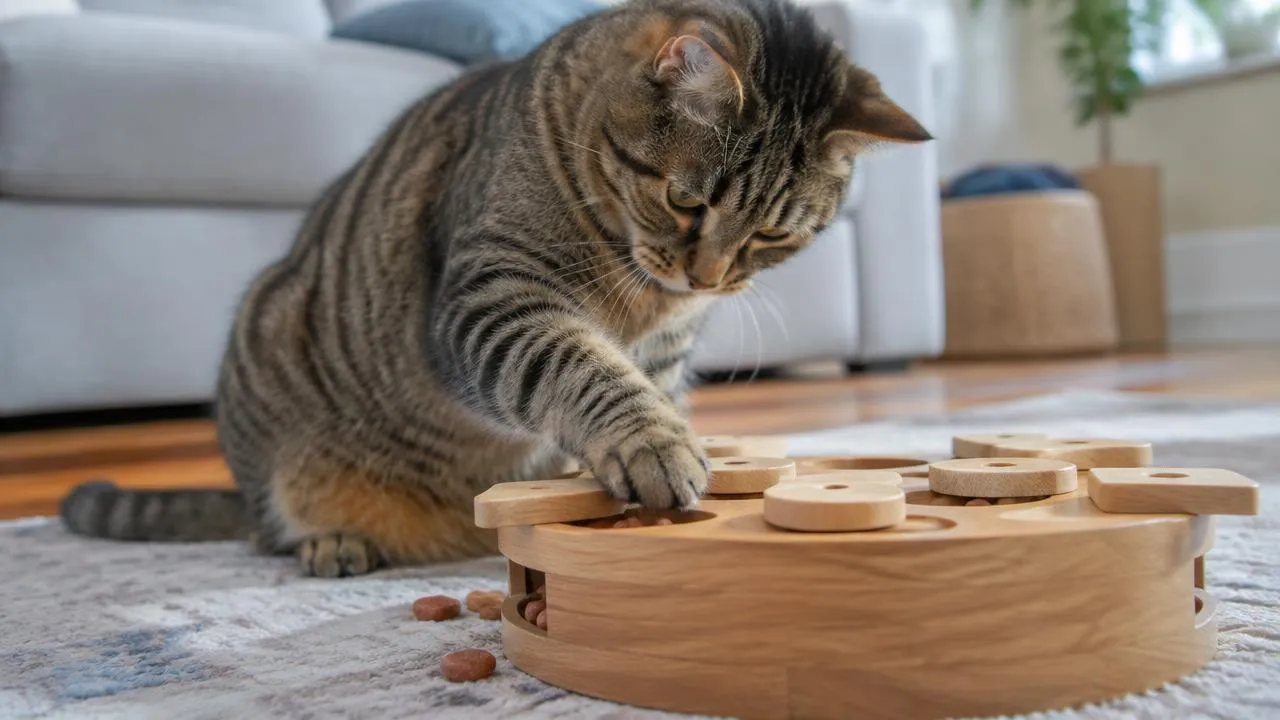
A cat's natural feeding behaviour is not solely defined by the contents of their bowl. The manner in which food is obtained, the rhythm of daily meals, and the opportunity to eat without social pressure are also fundamental feline needs. The AAFP consensus statement describes the cat as a solitary predator, consuming small prey and preferring to eat small, frequent meals alone. In a domestic home, these biological characteristics inspire practical adjustments, without pretending to recreate life in the wild or applying an identical, rigid feeding plan to every individual cat.
A Solitary Predator Within a Domestic Household
Felines are strict carnivores, and many domestic cats retain a remarkably strong hunting instinct. In their natural feeding behaviour, the capture and consumption of small prey involves multiple opportunities to feed throughout the day and night, rather than a single large, solitary meal placed in a dish.
Indoor life can inevitably limit natural behaviours such as hunting, exploring, and foraging for food. The AAFP notes that this lack of environmental activity can affect feline wellbeing, whilst easily accessible food bowls sometimes leave a noticeable void in a pet's daily routine. Enriching the way a portion of the daily ration is offered serves as a practical way to engage their senses and encourage physical movement, though it should not be viewed as a guarantee to resolve every behavioural difficulty.
Eating frequently must not be confused with unmonitored grazing or constant access to food. The feeding programme must always reflect the recommended daily intake for the specific cat, rather than simply answering their begging. Your veterinary team can advise on appropriate daily amounts and an accurate measurement method.
Observing How Your Cat Uses Available Space
Observe where your cat rests, which pathways they take, and whether they visit multiple rooms throughout the day. In a shared home, pets do not necessarily divide territory equally; certain individuals naturally prefer a smaller, quieter area or make deliberate efforts to avoid a fellow feline companion.
Cats may maintain positive bonds with certain housemates whilst actively avoiding others. Crucially, they do not always show overt or obvious signs of tension when resources are shared. Repeated waiting, changing rooms at mealtimes, or eating at an unnaturally rapid pace are subtle clues to observe with care and prudence.
The AAFP recommends establishing multiple, visually separated feeding stations in multi-cat households. Placing resources at a distance from one another and selecting locations suited to each cat's agility can significantly reduce forced encounters around meals. Food bowls must also be kept entirely distinct from litter trays.
Making Foraging and Searching Part of the Meal
A food puzzle contains kibble that the cat must manipulate, nudge, or reach into in order to retrieve the biscuits. Depending on its design, it can actively engage the paws, mouth, or tongue, effectively transforming a standard portion of dry food into an enriching physical and mental activity.
When creating a homemade kibble puzzle, the primary aim is to offer a safe, sturdy, and easily handled container from which a few biscuits can be retrieved. The consensus statement indicates that homemade foraging puzzles can be simple and inexpensive to produce, without prescribing any single mandatory model.
Hiding small portions of kibble in various locations also encourages natural foraging drives. Choose safe, easily accessible spots and check that your cat actually finds the food. Elevated areas and vertical spaces can also be used, provided your pet's physical condition and agility allow it.
Distinguishing Between Feeding Tools and Underlying Needs
Automatic dispensers can certainly help provide meals at scheduled intervals across the day, but they do not typically offer the active search or predatory pursuit of natural hunting. A puzzle toy, a strategic hiding spot, or a classic bowl each answer distinctly different practical purposes.
Highly palatable food that can be swallowed very rapidly can contribute to overconsumption. In certain domestic contexts, a cat may also rush to eat simply to escape a stressful, exposed, or uncomfortable situation in their immediate surroundings.
For a cat that eats too quickly, establishing a calm, peaceful dining environment and dividing the daily ration into smaller portions are practical avenues to discuss within an overall care plan. Any foraging activity must remain easily accessible and never become an obstacle to adequate nutrition.
Building a Feeding Plan Tailored to Your Cat
Begin by examining current habits without abruptly disrupting established routines: record feeding times, quantities offered, leftovers, frequented areas, and social interactions between pets. The consensus statement recommends regular monitoring of body weight and body condition score, particularly for older, frail cats or those with specific medical needs.
Introduce an easy activity first, then observe whether your cat understands the mechanism, shows interest, and can comfortably finish their meal. One cat may distinctly prefer foraging on the floor, while another readily uses a rolling or manipulable dispenser.
Respecting natural feeding behaviour means providing suitable opportunities to eat, search, and retreat in peace, whilst maintaining careful control over total daily food intake. It is not necessary to recreate an elaborate or stressful wild hunt inside the home.
Feeding behaviour is best understood within its wider, holistic context: daily activity, rest, access to different rooms, and relationships with other animals in the household. Modifying food presentation can be very helpful, but it must never mask an underlying medical condition. In case of doubt, veterinary advice remains the best starting point.
At Accessoires Chat, the black automatic kibble dispenser equipped with Wi-Fi connectivity is still in preparation and cannot be purchased at this time. No price has been validated or confirmed; the accompanying photograph is purely illustrative. The exact functions, operational modes, and technical features must be verified within the user manual of the specific model actually delivered.
Sources and further reading
This advice is for information only and does not replace your veterinarian's opinion.